
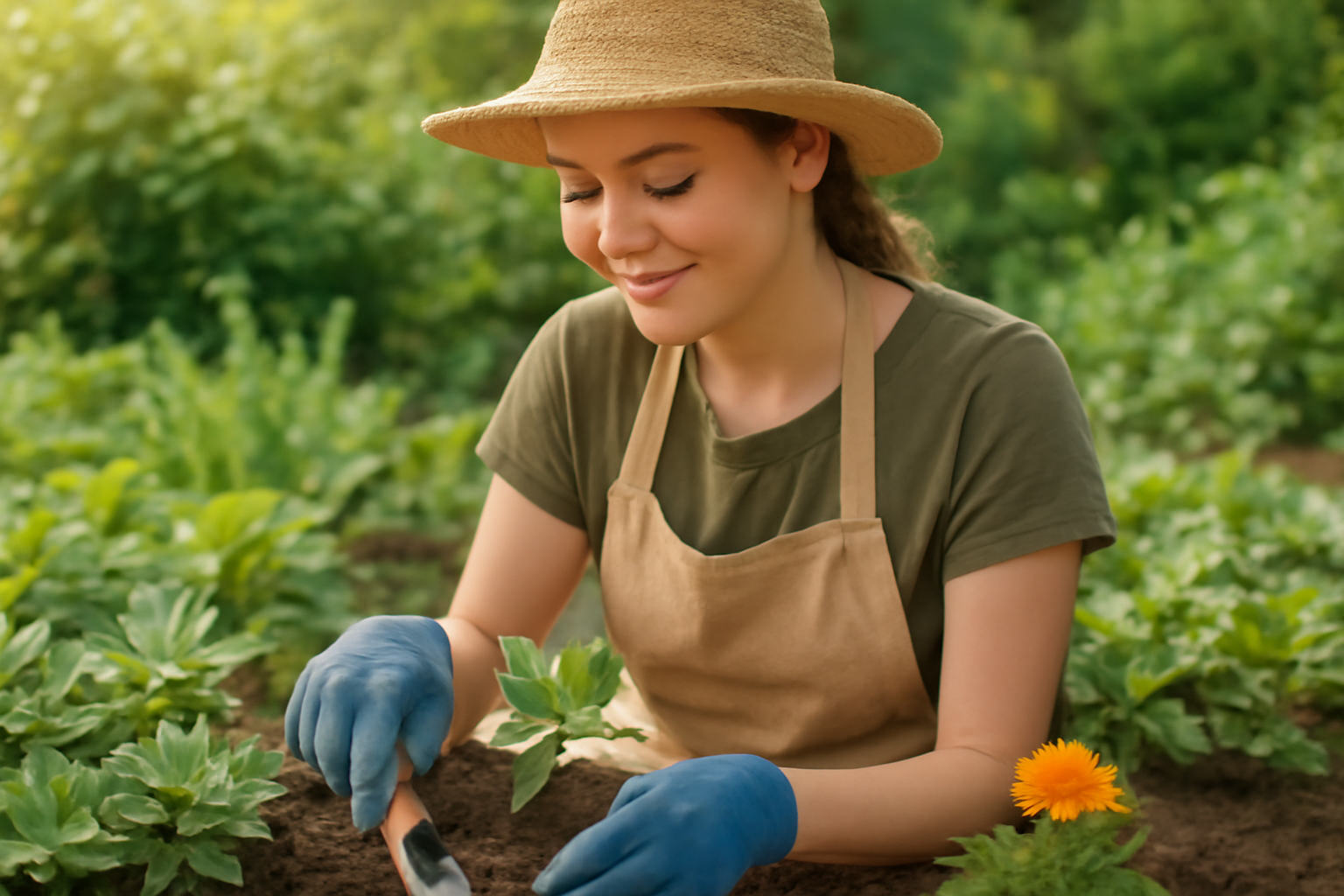
Gardening is a rewarding hobby that not only enhances the beauty of your surroundings but also provides you with a sense of accomplishment and connection to nature. Whether you are looking to grow flowers, vegetables, or simply want to add greenery to your living space, starting your gardening journey can be a lot easier than it may seem. In this guide, we will walk you through the essential tips and steps to help you get started on your gardening adventure.
1. Understand Your Gardening Environment
Before diving into gardening, it is essential to understand your environment. Every garden space has unique characteristics, and recognizing these factors will help you make informed decisions. Start by asking yourself the following questions:
- What type of space do I have? Are you gardening in a backyard, balcony, or indoor space?
- How much sunlight does my garden area receive? Knowing whether you have full sun, partial shade, or full shade is crucial for selecting the right plants.
- What is my climate zone? Research your region’s USDA hardiness zone to find plants that thrive in your local climate.
Once you understand these factors, you’ll be able to choose the right plants and garden setups that will flourish in your specific environment.
2. Start Small and Plan Ahead
As a beginner, it’s best to start with a small gardening project. This approach allows you to learn and experiment without feeling overwhelmed. Consider starting with a few plants that are easy to care for and gradually expanding as you gain more experience.
Planning ahead is equally important. Sketch your garden layout on paper or use online tools to visualize your space. Think about:
- The arrangement of plants
- The amount of space needed for each plant to grow
- How you will incorporate pathways or seating areas, if desired
Starting with a simple plan will make the process smoother and help you avoid mistakes that could lead to frustration.
3. Choose the Right Plants
Selecting the right plants is one of the most crucial decisions in gardening. As a beginner, you should choose plants that are easy to care for and require minimal maintenance. Here are some plant types that are perfect for beginners:
1. Succulents:
Succulents are hardy, low-maintenance plants that thrive in dry conditions. They require minimal watering and can tolerate a wide range of light conditions.
2. Herbs:
Herbs like basil, parsley, and mint are easy to grow in small spaces, such as windowsills or balcony gardens. They require plenty of sunlight and regular watering, but they are generally very forgiving.
3. Marigolds:
Marigolds are colorful, pest-resistant flowers that bloom profusely throughout the growing season. They are perfect for beginner gardeners due to their easy care.
4. Spider Plant:
The spider plant is a popular houseplant that is easy to grow and care for. It can thrive in a variety of light conditions and only requires occasional watering.
5. Lettuce and Spinach:
Leafy greens like lettuce and spinach are great choices for beginners who want to grow edible plants. They grow quickly and don’t require a lot of maintenance, making them ideal for first-time gardeners.
Make sure to research each plant’s specific care requirements before planting them. It’s important to understand factors like water needs, sunlight, and spacing.
4. Prepare Your Soil
Healthy soil is the foundation of a successful garden. The soil provides nutrients that plants need to grow, and its structure impacts how well water drains and how roots develop. Here’s how you can prepare your soil:
1. Test Your Soil:
You can buy a soil testing kit at a local garden center or online. Soil tests check for pH levels and nutrient content, which will help you choose the appropriate soil amendments.
2. Amend the Soil:
Based on the results of the soil test, you might need to add compost, organic matter, or other amendments to improve the soil. This will ensure your plants get the nutrients they need.
3. Loosen the Soil:
If you’re working with compacted soil, use a garden fork or tiller to loosen it. Loosening the soil will improve air circulation and allow roots to grow deeper.
5. Watering Your Plants
Watering is one of the most important aspects of gardening. However, it can be easy to either overwater or underwater your plants. Here are a few tips to get it right:
1. Know Your Plant’s Needs:
Each plant has different water requirements. Some plants, like succulents, need minimal watering, while others, such as tomatoes or roses, need more regular watering.
2. Water in the Morning:
Watering your plants early in the morning allows them to absorb the water before the heat of the day. Avoid watering in the evening, as this can lead to fungal diseases.
3. Water the Base of the Plant:
Watering the base of the plant, rather than watering from above, helps prevent water from getting on the leaves and promotes healthy root growth.
4. Use a Watering Can or Drip System:
Using a watering can allows for more controlled watering, while a drip irrigation system can deliver consistent moisture to the plants’ roots, reducing the chance of overwatering.
6. Pruning and Deadheading
Regular pruning and deadheading will help your plants grow stronger and healthier. Here’s how to take care of your plants’ growth:
1. Pruning:
Prune plants to remove dead or diseased branches and encourage new growth. Pruning should be done early in the growing season to promote healthy plant development.
2. Deadheading:
Deadheading involves removing faded flowers from plants. This process helps redirect the plant’s energy into producing new blooms rather than seeds.
7. Protect Your Garden from Pests and Diseases
Pests and diseases can be a nuisance to gardeners, especially beginners. Fortunately, there are a number of ways to protect your plants:
1. Use Organic Pest Control:
Instead of relying on harsh chemicals, opt for organic pest control methods like neem oil, diatomaceous earth, or insecticidal soap.
2. Encourage Beneficial Insects:
Ladybugs, lacewings, and other beneficial insects can help keep pest populations under control by eating aphids and other harmful insects.
3. Keep the Garden Clean:
Regularly remove dead leaves, debris, and weeds from your garden to reduce hiding places for pests and prevent the spread of disease.
8. Be Patient and Enjoy the Process
Gardening is a slow and steady process. Results won’t happen overnight, and it may take time for your plants to grow and flourish. However, the journey is just as rewarding as the destination. Enjoy every moment, whether you’re watching your plants bloom or simply spending time in your garden. Remember, even experienced gardeners make mistakes, so don’t be too hard on yourself.
Conclusion
Starting a garden as a beginner can be an exciting and fulfilling experience. By understanding your environment, planning ahead, choosing the right plants, and caring for your garden properly, you will be well on your way to creating a beautiful and thriving garden. Most importantly, have fun and enjoy the process — gardening is as much about the journey as it is about the destination.