
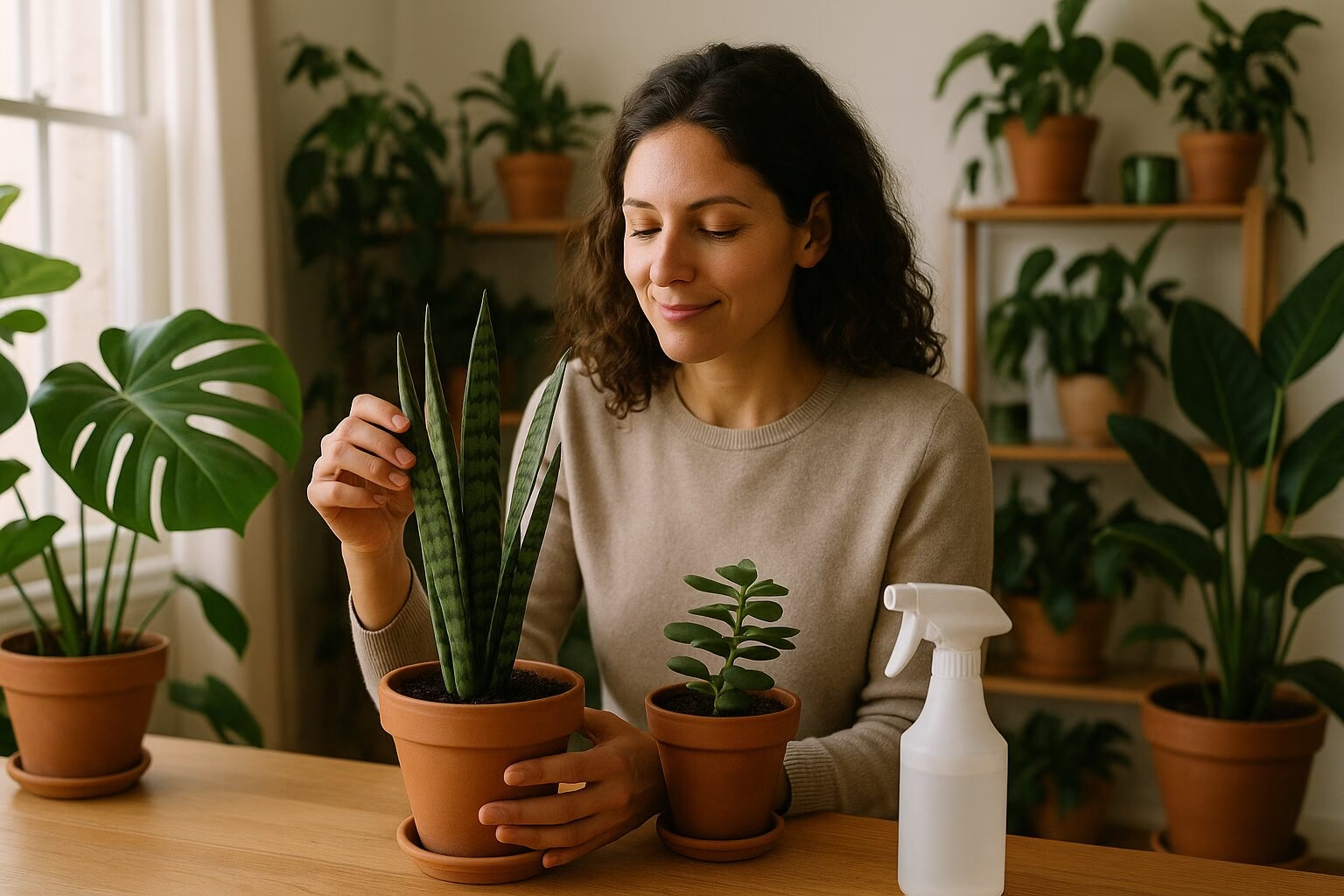
Bringing indoor plants into your home can create a calm, refreshing environment, purify the air, and add aesthetic appeal to any room. However, caring for plants requires some knowledge and attention. If you’re new to plant care, don’t worry — with the right information and a few simple steps, you’ll be on your way to transforming your space with beautiful, thriving plants.
In this guide, we will walk you through essential tips for taking care of indoor plants and creating a lush, vibrant home environment. Whether you are a seasoned plant enthusiast or a beginner, these suggestions will help you maintain healthy plants and enhance your living space.
Why Indoor Plants Are Beneficial
Before diving into care instructions, it’s worth understanding why indoor plants are a great addition to your home.
- Air Purification: Certain plants, like snake plants and peace lilies, are excellent at filtering the air by absorbing toxins and releasing oxygen.
- Improved Mood and Productivity: Studies show that plants can enhance your mood, reduce stress, and improve productivity by providing a peaceful, natural environment.
- Aesthetic Appeal: Plants bring life and color to your home, enhancing both modern and traditional interiors.
Now that you know how beneficial indoor plants can be, let’s move on to the steps you need to follow to keep them healthy.
1. Choose the Right Plants for Your Space
Not all indoor plants thrive in the same conditions. It’s essential to select plants that match the lighting, temperature, and humidity levels in your home. Here are some plants that are easier to care for and can thrive in most indoor settings:
- Low Light: Snake plants, ZZ plants, pothos, and peace lilies are great options for spaces with minimal natural light.
- Medium Light: Spider plants, pothos, and philodendrons do well in rooms with indirect sunlight.
- High Light: Succulents, cacti, and herbs like basil and rosemary need plenty of bright, direct sunlight.
Choosing the right plant for your space ensures that your plants will have the best chance of thriving. Research the specific needs of each plant to provide optimal care.
2. Provide Adequate Lighting
Lighting is one of the most crucial factors in the health of your indoor plants. Most indoor plants require bright, indirect light, although some can tolerate low light conditions. Here are some tips for ensuring your plants get the right amount of light:
- Positioning: Place plants near windows where they can receive natural light, but avoid placing them directly in harsh, direct sunlight, as this can scorch their leaves.
- Artificial Lighting: If natural light is insufficient, consider investing in grow lights. These lights simulate sunlight and can help plants thrive in low-light areas.
- Rotate Plants: Plants will naturally lean toward the light source. To encourage even growth, rotate your plants every few weeks.
Remember, each plant species has specific light needs, so always check the guidelines for your particular plants.
3. Watering: How Much is Enough?
Watering can be tricky, as too much or too little water can harm your plants. Overwatering is one of the most common mistakes people make when caring for indoor plants. To ensure proper watering, follow these guidelines:
- Check Soil Moisture: Before watering, check if the soil is dry by sticking your finger about an inch into the soil. If it feels dry, it’s time to water.
- Avoid Standing Water: Ensure that your pots have drainage holes to prevent water from accumulating at the bottom. Standing water can lead to root rot.
- Water Thoroughly: When you water, make sure the water reaches the root system. Water until it starts draining from the bottom of the pot, but don’t let the plant sit in water for extended periods.
The frequency of watering depends on the type of plant, the size of the pot, and the room’s temperature and humidity. Generally, indoor plants need to be watered every 1-2 weeks, but this can vary.
4. Humidity Matters
Indoor plants, particularly tropical varieties, thrive in environments with higher humidity. Dry air can cause leaf tips to brown or the plant to become stressed. To maintain the right level of humidity for your plants, here are a few strategies:
- Group Plants Together: Placing plants closer together helps increase the humidity around them as they release moisture into the air.
- Use a Humidifier: For rooms with dry air, especially during the winter months, a humidifier can help maintain the moisture levels in the air.
- Pebble Trays: Place a tray filled with water and pebbles under your plants to help increase humidity around them. The water will evaporate, creating a more favorable environment for your plants.
Pay attention to the specific humidity needs of your plants. Tropical plants, like ferns and orchids, generally prefer higher humidity levels.
5. Fertilizing: Keep Your Plants Fed
Indoor plants need nutrients to grow and stay healthy. Regular fertilization helps replenish the nutrients in the soil that plants use up over time. Here are a few tips for fertilizing your plants:
- Use the Right Fertilizer: Choose a balanced fertilizer that contains nitrogen, phosphorus, and potassium, or one that’s tailored to the specific needs of your plants (e.g., succulent fertilizer for cacti and succulents).
- Fertilize During Growing Season: Most plants grow more actively in the spring and summer, so it’s best to fertilize them during these months. In fall and winter, when growth slows down, you can reduce or stop fertilizing.
- Don’t Overfertilize: Too much fertilizer can harm your plants, causing root burn and leaf damage. Follow the manufacturer’s instructions and err on the side of caution.
6. Repotting: Give Your Plants Room to Grow
As your indoor plants grow, their roots may outgrow their pots, leading to poor growth and stress. Repotting is necessary to ensure that your plants continue to thrive. Here’s when and how to repot your plants:
- Signs Your Plant Needs Repotting: If you notice roots growing through the drainage holes or if the plant’s growth has slowed down despite proper care, it’s time to repot.
- Choose the Right Pot: Choose a pot that’s 1-2 inches larger in diameter than the current pot. Be sure it has drainage holes to prevent overwatering.
- Repotting Process: Gently remove the plant from its current pot, trim any dead or damaged roots, and place it into the new pot with fresh soil. Water it thoroughly after repotting.
Repotting typically needs to be done every 1-2 years, but this varies based on the plant’s growth rate.
7. Pruning and Cleaning Your Plants
Pruning is an essential part of plant care. Regular trimming helps to remove dead or damaged leaves and encourages new growth. Cleaning your plants is also important to prevent pests and dust from building up on their leaves. Here’s how to do it:
- Pruning: Use clean, sharp scissors to remove dead or damaged leaves and stems. For some plants, pruning can also help maintain their shape and promote bushier growth.
- Cleaning: Wipe down the leaves with a damp cloth to remove dust. For plants with large leaves, you can rinse them gently under lukewarm water to keep them clean and healthy.
Pruning and cleaning not only improve the plant’s appearance but also help to prevent diseases and pests.
8. Dealing with Pests and Diseases
Indoor plants are less prone to pests than outdoor plants, but they can still attract insects like aphids, spider mites, and mealybugs. If you notice any signs of pests, take action quickly to prevent the problem from spreading.
- Inspect Regularly: Look for signs of pests, such as tiny webs, sticky residue, or discolored leaves.
- Natural Remedies: Use insecticidal soap or a mixture of water and dish soap to treat pests. Neem oil is another natural remedy that can help control pests.
- Isolate Affected Plants: If one plant is infested, isolate it from others to prevent the pests from spreading.
By staying proactive and monitoring your plants regularly, you can ensure that your indoor garden remains healthy and free from pests.
Final Thoughts: Create Your Perfect Indoor Oasis
Taking care of indoor plants is not only about keeping them alive but about cultivating a serene, natural environment in your home. With the right care, your plants will thrive and transform your living space into a peaceful sanctuary. Whether you’re a beginner or a seasoned plant lover, following these tips will ensure that your indoor garden flourishes, adding beauty and freshness to every room.
Remember, each plant is unique and will have its own specific needs. Take the time to learn about your plants and provide them with the care they deserve. Happy gardening!