
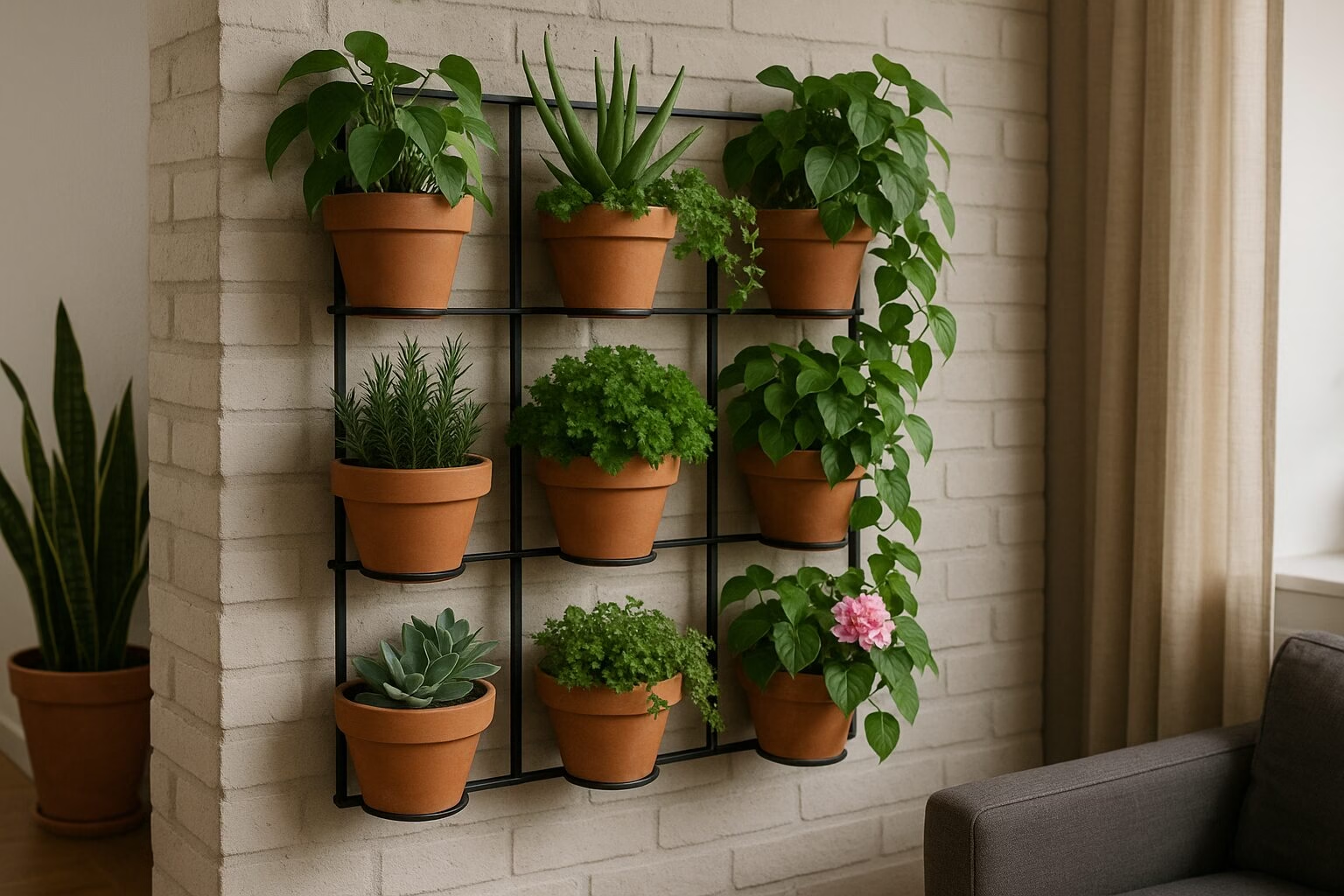
When living in a small space, finding ways to add greenery can feel like a challenge. However, a vertical garden could be the perfect solution to bring nature into your home without taking up too much floor space. Vertical gardens allow you to grow plants upward instead of outward, making them ideal for balconies, apartment walls, and even small indoor spaces.
In this guide, we’ll walk you through essential tips on creating a vertical garden that maximizes the available space in your home while transforming it into a lush, vibrant oasis. Whether you’re a gardening expert or just starting, these tips will help you get started on your vertical gardening journey.
Why Choose a Vertical Garden?
Vertical gardening is a practical and stylish way to grow plants in small spaces. Here are some reasons why you should consider creating one:
- Maximizes Space: Vertical gardens make use of wall space, allowing you to grow a variety of plants without taking up valuable floor area.
- Aesthetic Appeal: A well-designed vertical garden can be a stunning focal point, adding a natural, green element to your home decor.
- Increased Air Quality: Indoor plants naturally purify the air, absorbing toxins and releasing oxygen, creating a healthier living environment.
- Easy to Maintain: Vertical gardens are often easier to manage than traditional garden beds since you don’t have to bend down or kneel to care for your plants.
Now that you understand the benefits of vertical gardens, let’s dive into how to create your own.
1. Choose the Right Location
The first step to creating a successful vertical garden is choosing the right location. Keep in mind the lighting conditions of your space, as different plants require varying levels of light.
- Indoors: If you’re placing your vertical garden indoors, choose a spot near a window that receives plenty of natural light. North-facing windows generally provide indirect light, while south- and west-facing windows provide more direct sunlight.
- Outdoors: For outdoor vertical gardens, consider areas such as fences, walls, or even the sides of sheds or garages. Ensure that your chosen spot gets enough sunlight for the type of plants you plan to grow.
If natural light is limited, you can also incorporate artificial grow lights to help your plants thrive.
2. Select the Right Plants
The plants you choose for your vertical garden will determine its look and how easy it is to maintain. Choose plants that are well-suited to your space, taking into account the amount of light and space available. Here are some plant ideas for vertical gardens:
- Succulents: Succulents like aloe vera, echeveria, and sedum are perfect for vertical gardens. These plants thrive in bright, direct light and require minimal watering.
- Herbs: If you love cooking, you can grow herbs like basil, parsley, rosemary, and thyme in your vertical garden. Herbs need a good amount of sunlight and are easy to maintain.
- Vines: Climbing plants like ivy, pothos, or jasmine are excellent choices for vertical gardens. These plants naturally grow upward and can cover a vertical structure beautifully.
- Flowers: If you want to add a pop of color to your vertical garden, consider flowering plants like petunias, geraniums, or begonias. These plants can bloom throughout the year, adding beauty to your space.
- Air Plants: These unique plants don’t require soil and are ideal for creative vertical garden designs. Simply attach them to a vertical frame or wall.
When choosing plants, make sure to consider their specific care needs, including light, water, and temperature requirements.
3. Choose a Vertical Gardening System
There are various ways to create a vertical garden, and the right system depends on your space, budget, and design preferences. Here are a few popular vertical gardening systems:
- Wall Planters: These are individual planters that are mounted on a wall. They can be made of wood, metal, or plastic and come in various sizes and designs. Wall planters allow you to arrange plants in a visually appealing way and can be great for small spaces.
- Hanging Planters: Hanging planters are ideal for creating a cascading effect. Use hooks or rods to hang plants from the ceiling, railing, or wall. This system works well for lightweight plants like herbs, flowers, and trailing vines.
- Pallet Gardens: Wooden pallets can be repurposed into vertical garden structures by filling them with soil and planting in the slats. This system is a cost-effective and eco-friendly way to create a vertical garden.
- Stacked Planters: These are modular systems with stacked trays or tiers that allow you to plant multiple plants in a small area. Stacked planters are perfect for small spaces and can be placed on a balcony, patio, or even inside.
- Wire Frames: A wire frame, often in the shape of a grid or lattice, can be used to support climbing plants like ivy or beans. These can be attached to the wall or placed freestanding in a corner.
Choose a system that fits your space and aesthetic preferences. If you’re working with a limited budget, DIY projects such as pallet gardens or hanging planters can be a great solution.
4. Plan the Design
When designing your vertical garden, think about both function and aesthetics. Consider how the plants will look when fully grown and how they will complement the rest of your decor. Here are some design tips:
- Mix Plants with Different Growth Habits: Combine climbing plants with cascading vines and small, potted plants to create depth and variety in your garden.
- Vertical vs. Horizontal Arrangement: While the main goal of a vertical garden is to grow plants upward, think about creating layers or tiers for a more dynamic effect. This way, you can maximize the space and add visual interest.
- Use Color: Choose plants with different shades of green, or even plants with colorful foliage or flowers, to create contrast and make the vertical garden more striking.
- Balance and Symmetry: If you prefer a more organized, symmetrical look, consider arranging plants in neat rows or columns. For a more relaxed, organic feel, mix plants freely.
Think about the overall aesthetic you want for your vertical garden and plan your design accordingly. If you’re working with a limited space, simplicity is key — too many plants may make the space feel cluttered.
5. Watering and Maintenance
Watering a vertical garden can be more challenging than traditional gardens, as the plants are positioned higher up. Here are some tips for keeping your vertical garden well-watered:
- Use Self-Watering Systems: Some vertical garden systems come with built-in irrigation, allowing water to drip down from one level to the next. Self-watering planters are especially useful for busy gardeners.
- Water from the Top: If your system doesn’t have a self-watering feature, water from the top of the garden and let the excess water drain down to the plants below.
- Water Regularly: Keep an eye on the moisture levels of the soil. Since vertical gardens are often exposed to more sunlight, the soil may dry out faster than in traditional gardens. Water your plants as needed, but be careful not to overwater, as this can lead to root rot.
- Check for Pests: Vertical gardens can attract pests, so regularly inspect your plants for signs of insects or disease. Use natural pest control methods like neem oil or insecticidal soap to treat problems as soon as they arise.
Ensure your vertical garden remains healthy by staying on top of watering, pruning, and pest control. With regular maintenance, your vertical garden will thrive for years to come.
6. Enhance Your Vertical Garden with Decor
To make your vertical garden stand out, consider adding decorative elements. Here are a few ideas:
- Fairy Lights: Stringing fairy lights around your vertical garden can create a magical atmosphere, especially in the evenings.
- Decorative Planters: Choose planters in interesting shapes, colors, or materials to enhance the visual appeal of your vertical garden.
- Mirrors and Artwork: Hanging mirrors or art around your vertical garden can create an illusion of space and add to the overall design.
The right decor can complement your plants and transform your vertical garden into a stunning focal point.
Conclusion: Create Your Green Oasis
Creating a vertical garden in a small space is a fantastic way to bring nature indoors and make the most of your limited square footage. With the right planning, plant selection, and maintenance, your vertical garden will thrive and become a beautiful addition to your home. Whether you’re growing herbs for cooking, flowering plants for decoration, or succulents for a low-maintenance option, a vertical garden will help transform your small space into a lush, green oasis.
Start planning your vertical garden today and enjoy the beauty and benefits of having plants in your home, no matter how much space you have!