
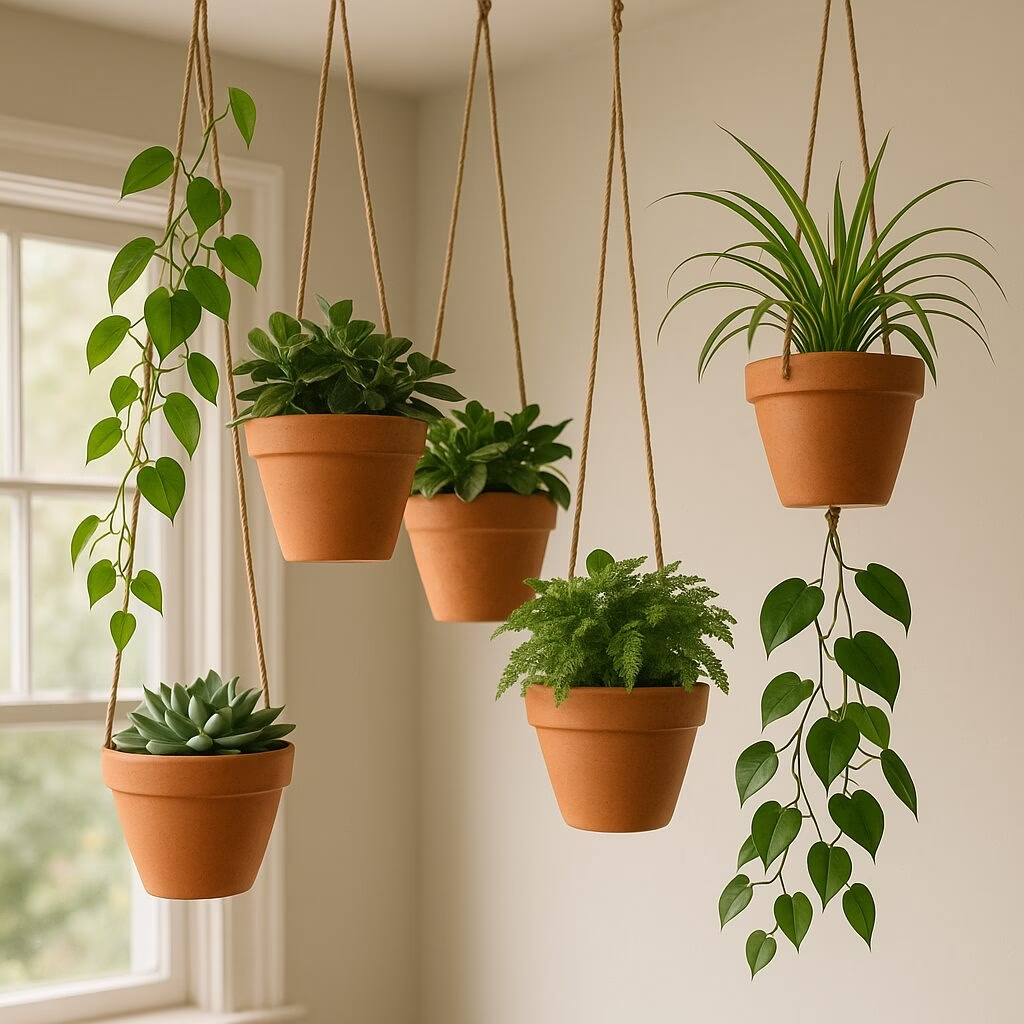
Gardening is a rewarding hobby that allows you to connect with nature, but if you don’t have a large outdoor space, you might feel like it’s out of reach. However, container gardening can be the perfect solution for those with limited space. One creative and unique way to bring nature into your home is by creating a floating garden.
A floating garden uses containers to create the illusion of plants floating above the ground, providing a visually stunning and dynamic design. Whether you’re working with a small balcony, a window sill, or even a larger indoor space, a floating garden can add charm and serenity to your home.
In this guide, we’ll show you how to create a floating garden in containers, including the necessary materials, design ideas, and tips for plant selection and care.
Why Create a Floating Garden?
Before diving into the details, it’s important to understand why floating gardens are an exciting option for gardeners, especially in smaller spaces.
- Maximize Limited Space: Floating gardens are ideal for small spaces, as they allow you to make use of vertical space, freeing up floor areas while adding greenery.
- Aesthetic Appeal: The floating effect adds an enchanting touch to your decor, making your space feel more open and inviting.
- Easy to Maintain: By keeping plants in containers, you can move them around as needed, making maintenance, such as watering and repotting, a simple task.
- Improved Air Quality: Like all indoor plants, a floating garden helps purify the air by absorbing toxins and releasing oxygen, creating a healthier indoor environment.
Now that you know the benefits, let’s explore how to design and create your own floating garden.
1. Choose the Right Containers
The first step in creating a floating garden is selecting the right containers. The containers you use will dictate the overall look and functionality of your floating garden. Here are some container ideas that work well for a floating garden:
- Hanging Planters: Hanging planters are the most common containers used for floating gardens. You can hang them from the ceiling, beams, or wall-mounted hooks to create a floating effect.
- Wall-Mounted Shelves: Installing wall-mounted shelves is a great way to display small containers of plants. These shelves can be placed at different heights to create a layered floating effect.
- Suspended Pots: You can suspend pots from fishing lines, chains, or decorative ropes to give the illusion of floating plants. This creates an ethereal, whimsical look that can be adjusted according to your space.
- Floating Planters for Water: If you’re interested in creating a water-based floating garden, you can use specialized floating planters designed for ponds or water features. These planters allow you to grow aquatic plants like water lilies and lotus flowers.
Choose containers that match your interior decor and are large enough to accommodate the roots of your plants. Make sure the containers also have drainage holes to prevent waterlogging.
2. Plan the Design and Layout
Once you have your containers, it’s time to think about the design and layout of your floating garden. Here are a few things to consider when planning:
- Spacing and Height: Consider how much space you have and where you’d like to position your floating garden. If you’re working with limited space, opt for compact arrangements or smaller containers. You can also experiment with placing containers at varying heights to add depth and interest.
- Symmetry vs. Asymmetry: Decide whether you want a symmetrical or more organic, asymmetrical arrangement. A symmetrical layout provides balance and structure, while asymmetry creates a more dynamic and free-flowing design.
- Layering: Layering your floating garden with plants of different sizes and textures can create a sense of movement and visual interest. Consider using taller plants at the back or in the center and smaller plants around the edges.
- Complementing Your Home Decor: Your floating garden should complement the rest of your interior. Choose containers and plants that enhance your home’s aesthetic, whether it’s modern, rustic, or minimalist.
Having a clear design in mind will help you create a cohesive and visually appealing floating garden.
3. Choose the Right Plants for Your Floating Garden
Choosing the right plants is crucial to ensuring your floating garden thrives. While you can use a variety of plants, there are some that are particularly well-suited for container and floating garden environments.
- Succulents: Succulents, such as aloe vera, jade plants, and echeveria, are a great option for small containers and floating planters. These plants require minimal water and can tolerate varying light conditions.
- Herbs: Small herbs like basil, mint, parsley, and thyme thrive in containers and make a great addition to a floating garden. Herbs also offer the added benefit of being functional for cooking.
- Ferns: Ferns like Boston ferns or bird’s nest ferns do well in hanging planters and add a lush, green touch to your floating garden. They thrive in humid environments, making them perfect for bathrooms or kitchens.
- Pothos: Pothos is a trailing plant that works wonderfully in hanging containers. It grows quickly and can cascade down, creating a beautiful visual effect. Plus, it’s low-maintenance and thrives in a variety of conditions.
- Spider Plants: Spider plants are another great option for a floating garden. Their arching leaves create a nice visual appeal, and they’re easy to care for.
- Air Plants (Tillandsia): Air plants are unique in that they don’t require soil. These plants can be suspended from a wire frame or hanging from a decorative string, making them ideal for floating garden designs.
Choose plants that fit your space, light conditions, and care preferences. Keep in mind that some plants, like aquatic plants, may need more specialized care, such as extra humidity or water.
4. Set Up the Floating Garden
Now that you’ve selected your containers and plants, it’s time to set up your floating garden. Here’s how to get started:
- Position the Containers: Hang your containers or place them on the shelves according to your planned design. Ensure that the containers are secure and won’t fall or tip over.
- Fill Containers with Soil: Fill each container with the appropriate potting mix for your plants. For succulents, use a well-draining cactus mix, while herbs and ferns may benefit from a more moisture-retentive mix.
- Plant Your Greens: Place your plants in the containers and arrange them according to your design. Be sure to leave enough space for them to grow and spread out.
- Water Carefully: Water your floating garden plants as needed, but be careful not to overwater, especially for plants like succulents that prefer to dry out between waterings. For plants in suspended planters, make sure the water doesn’t spill over and damage the floor or surrounding area.
For a water-based floating garden, fill a water container or pond with the right depth and carefully place the floating planters in the water. Ensure that aquatic plants are submerged appropriately, with their roots in the water but their flowers or leaves above the surface.
5. Maintain Your Floating Garden
Once your floating garden is set up, you’ll need to maintain it to keep it looking its best. Here are some maintenance tips:
- Watering: Regularly check the moisture levels of the soil and water your plants as necessary. Avoid overwatering, as containers can retain moisture, leading to root rot.
- Pruning: Keep your plants healthy and aesthetically pleasing by pruning any dead or overgrown stems. This is especially important for trailing plants like pothos, which can become too long and leggy if not trimmed regularly.
- Cleaning Containers: Floating planters and hanging containers can accumulate dust and debris. Clean them periodically with a damp cloth to keep them looking fresh.
- Light Requirements: Ensure your plants are getting enough light. If you’re growing plants that require more sunlight, place them near windows or consider adding artificial grow lights.
Regular care will help your floating garden thrive, providing you with a peaceful, green oasis indoors.
Final Thoughts: Create a Serene Floating Oasis
Creating a floating garden in your home is an enjoyable and creative way to bring greenery into your living space, no matter how small it may be. Whether you’re growing herbs, succulents, or trailing plants, a floating garden can transform your home into a calming, vibrant environment. By choosing the right containers, plants, and design, you can create a stunning garden that will add beauty and tranquility to your space.
Get started on your floating garden today and enjoy the peaceful, refreshing atmosphere it brings to your home!