
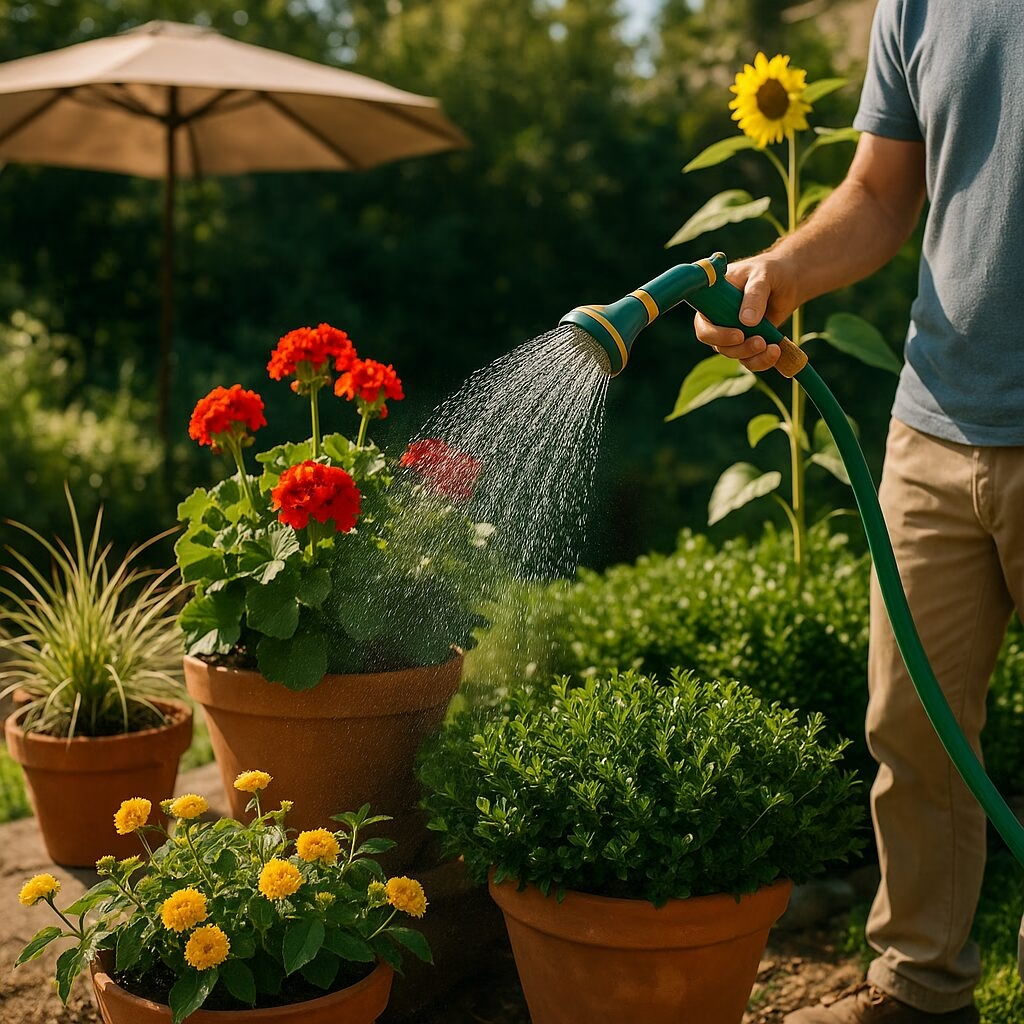
Summer is a time of growth and vitality for plants, but it can also present challenges, especially for outdoor plants that are exposed to intense sunlight, higher temperatures, and dry conditions. To keep your garden thriving through the hot summer months, it’s essential to provide the right care. With the proper techniques, you can ensure your outdoor plants remain healthy, lush, and vibrant.
In this article, we’ll walk you through the key care tips for outdoor plants during the summer, including watering techniques, protection from the sun, and proper maintenance. Whether you’re an experienced gardener or just starting out, these tips will help you maintain a flourishing summer garden.
1. Watering: The Key to Summer Plant Health
Watering is one of the most important aspects of summer plant care. Outdoor plants can suffer from dehydration due to high temperatures, so it’s crucial to keep your plants hydrated. Here are some essential watering tips for the summer months:
- Water Early or Late in the Day: Watering in the early morning or late evening helps minimize water loss due to evaporation. During the heat of the day, water can evaporate too quickly, reducing its effectiveness. Early morning watering also allows plants to dry out before evening, reducing the risk of fungal diseases.
- Water Deeply: When you water, make sure the water reaches the root zone. Shallow watering encourages the roots to stay near the surface, making the plant more susceptible to drought. Water deeply to encourage roots to grow deeper into the soil, helping the plant better withstand heat.
- Use a Soaker Hose or Drip Irrigation: To water more efficiently, consider using a soaker hose or drip irrigation system. These methods deliver water directly to the root zone and prevent wastage. They’re especially useful for large gardens or plants that need regular watering.
- Monitor Soil Moisture: Always check the moisture level of the soil before watering. Stick your finger about an inch into the soil to see if it’s dry. If it is, it’s time to water; if it’s still moist, wait a bit longer before watering again.
Watering is vital for summer plant health, but be careful not to overwater, as this can lead to root rot. Adjust your watering frequency based on rainfall and the plant’s specific needs.
2. Protecting Plants from the Intense Sun
While many outdoor plants love the sun, intense midday heat can be too much for some. Prolonged exposure to the hot summer sun can cause plants to wilt, scorch, or dry out. To help protect your plants, consider these strategies:
- Provide Shade: Use shade cloth or garden umbrellas to provide temporary relief from the harsh sun. Planting taller plants or using structures like trellises can also help create natural shade for smaller plants.
- Mulch to Retain Moisture: Applying a layer of organic mulch, such as wood chips, straw, or compost, around the base of your plants helps retain moisture, keep the soil cool, and prevent weed growth. Mulch also helps maintain a consistent temperature for the roots, which is especially important during the hot summer months.
- Select Heat-Tolerant Plants: If you live in a region with very hot summers, consider growing plants that are more heat-tolerant. Plants like lavender, marigolds, and sunflowers thrive in direct sunlight and high temperatures, making them ideal for summer gardens.
- Hydrate During Hot Spells: On particularly hot days or during heatwaves, consider giving your plants extra care. Increase your watering frequency to compensate for the higher water loss in extreme heat.
If you notice that the leaves of your plants are turning brown or becoming crispy, it could be a sign that they’re receiving too much sun. Providing temporary shade or moving plants to less intense spots can help prevent further damage.
3. Pruning and Deadheading
Pruning and deadheading are key maintenance tasks that can keep your outdoor plants healthy and encourage new growth during the summer. Here’s how to do it properly:
- Prune Dead or Damaged Growth: Regularly remove dead or damaged branches, stems, and leaves to encourage new growth. This also helps reduce the risk of disease, as dead plant material can harbor pests and pathogens.
- Deadhead Flowers: Deadheading involves removing spent flowers before they have the chance to go to seed. This promotes continued blooming and prevents the plant from putting energy into seed production. For many summer flowers, deadheading encourages longer blooming periods and more vibrant flowers.
- Shape and Size Control: Some plants, like shrubs and vines, may become overgrown in the summer heat. Prune them to maintain their shape and size, especially if they’re blocking sunlight from reaching other plants or pathways. Be mindful not to prune too much, as this can stress the plant.
Pruning should be done with sharp, clean tools to ensure clean cuts and reduce the risk of infection. It’s best to prune in the early morning or late afternoon when the plant is not stressed by the midday heat.
4. Fertilization: Feed Your Plants During Growth
During the summer months, plants are in their peak growing season, and they may need extra nutrients to support their growth. Fertilization can help give your plants the boost they need, but it’s essential to choose the right type of fertilizer and apply it correctly.
- Use Balanced Fertilizer: Choose a balanced fertilizer with equal amounts of nitrogen (N), phosphorus (P), and potassium (K). These nutrients support overall plant health, root development, and flower production. Organic fertilizers, such as compost or well-rotted manure, are also great options.
- Follow the Recommended Dosage: Over-fertilizing can be harmful to plants, causing them to grow too quickly and become weak. Always follow the manufacturer’s recommendations for the appropriate amount of fertilizer based on your plant’s needs.
- Fertilize During Active Growth: Apply fertilizer during the plant’s active growing season, which for most plants is during the summer months. Avoid fertilizing during dormant periods, as plants are not actively growing and will not benefit from additional nutrients.
Be cautious when fertilizing plants that are already stressed due to heat or drought, as over-fertilizing can further stress the plant.
5. Monitor for Pests and Diseases
Summer is a time when pests and diseases thrive, so it’s essential to regularly inspect your outdoor plants for signs of trouble. Pests such as aphids, spider mites, and caterpillars can cause significant damage to plants, while fungal diseases like powdery mildew and blight can quickly spread in humid conditions.
- Inspect Regularly: Check the undersides of leaves, stems, and flowers for signs of pests. Look for discolored spots, webs, or small insects. If you spot pests, treat the plants promptly with natural remedies like neem oil or insecticidal soap.
- Maintain Airflow: Good airflow around your plants is key to preventing fungal diseases. Ensure plants are spaced properly and avoid overcrowding. If you’re growing plants in containers, make sure they have proper drainage to prevent waterlogged conditions that can promote disease.
- Remove Infected Plants: If a plant becomes severely infected with disease or pests, remove it from the garden to prevent the issue from spreading. Dispose of the plant in the trash, not the compost bin, to avoid contaminating other plants.
Regular monitoring and quick action are essential for keeping your outdoor plants healthy during the summer.
6. Adjust for Temperature Fluctuations
Summer temperatures can fluctuate dramatically, with sudden heatwaves followed by cooler days or nights. To protect your plants during these fluctuations:
- Move Containers: If you have plants in containers, consider moving them to areas that offer more protection during extreme heat or cold snaps. For example, moving containers to partially shaded spots during intense heat can help reduce stress.
- Use Row Covers: Lightweight row covers can be placed over plants to protect them from temperature fluctuations, pests, and heavy rain. These covers allow light and water to pass through while providing some protection.
By paying attention to temperature changes and responding accordingly, you can ensure your plants stay healthy and productive throughout the summer.
Final Thoughts: Keep Your Plants Thriving in the Summer
Summer can be both a rewarding and challenging time for outdoor gardening. By following these essential care tips—proper watering, sun protection, pruning, fertilizing, pest management, and temperature control—you’ll help your plants thrive even in the heat. With a little attention and effort, your garden will not only survive the summer but will continue to grow and bloom, providing beauty and relaxation throughout the season.
Enjoy your summer garden, and remember to stay attentive to your plants’ needs, especially during the hot summer months. Happy gardening!
muito bom