
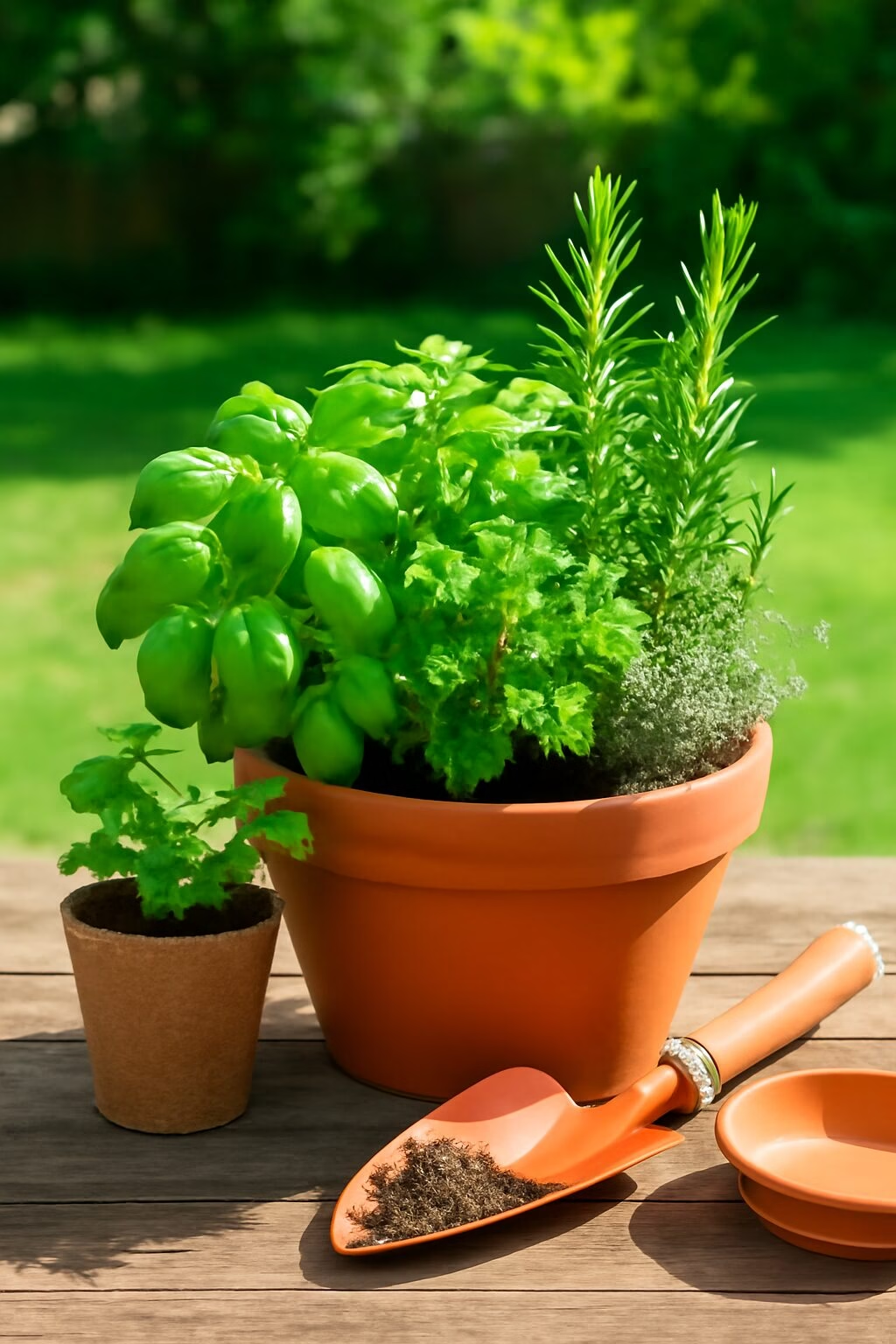
Creating an aromatic herb garden at home can be an exciting and rewarding project, whether you’re a beginner gardener or a seasoned plant enthusiast. Herbs not only enhance your cooking with fresh flavors, but they also add wonderful scents to your home, offering both practical and aesthetic benefits. In this step-by-step guide, we’ll walk you through the process of creating your very own aromatic herb garden, whether you have a spacious backyard or just a small windowsill.
1. Choosing the Right Location
The first step in creating a successful herb garden is choosing the right location. Herbs need plenty of sunlight to thrive, so it’s essential to select a spot that receives at least 6 hours of direct sunlight each day. Here are some options based on the space you have available:
- Outdoor Gardens: If you have a garden, find a sunny spot where your herbs will get plenty of sunlight. Raised garden beds or small garden plots work great for herbs.
- Windowsills: If you’re limited on outdoor space, don’t worry. A sunny windowsill can be perfect for growing herbs indoors. Choose a south-facing window for the best light exposure.
- Balconies or Patios: If you live in an apartment, consider using a balcony or patio. Small containers or hanging baskets can be a great way to grow herbs in these spaces.
- Indoor Herb Garden: If your home doesn’t get a lot of direct sunlight, you can still grow herbs indoors with artificial grow lights. Many herbs can thrive indoors with the right setup.
2. Selecting the Right Herbs
Choosing the right herbs for your garden is crucial. Different herbs have varying requirements, and some are better suited for certain climates than others. Here are some popular aromatic herbs you can grow at home:
- Basil: Perfect for Italian dishes, pesto, and salads. Basil loves the sun and warm temperatures.
- Mint: A versatile herb used in teas, desserts, and cocktails. Mint can grow vigorously, so it’s best grown in containers to prevent it from taking over your garden.
- Rosemary: A fragrant herb that adds flavor to meats, potatoes, and Mediterranean dishes. Rosemary prefers full sun and well-drained soil.
- Thyme: A hardy herb with tiny leaves that are great for savory dishes. It grows well in full sun and is drought-tolerant once established.
- Oregano: Essential for Italian cooking, especially pizza and pasta sauces. Oregano loves full sun and dry, well-drained soil.
- Sage: A strong herb with a robust flavor, perfect for meats, stuffing, and stews. Sage thrives in full sun and well-drained soil.
- Parsley: A versatile herb that can be used in a wide range of dishes. It does well in both full sun and partial shade, making it a great choice for any space.
3. Preparing the Soil
Good soil is essential for the success of your herb garden. Herbs prefer well-draining, slightly acidic soil with a pH level between 6.0 and 7.0. Here’s how to prepare the soil for your garden:
- Outdoor Garden: If you’re planting herbs in a garden bed, start by loosening the soil to a depth of about 6 inches. Add compost or well-rotted manure to improve soil fertility and drainage. Make sure the soil is loose and crumbly.
- Indoor Garden: For indoor herb gardens, use high-quality potting soil with good drainage. Avoid garden soil, as it can be too heavy for containers and may not drain well. If you’re planting in pots, make sure the containers have drainage holes.
4. Planting the Herbs
Once your soil is prepared, it’s time to plant your herbs. Follow these steps for optimal results:
- Outdoor Garden: Space the herbs according to the recommended planting distances on their labels or seed packets. Most herbs need about 12 to 18 inches of space to grow properly.
- Indoor Garden: If you’re growing herbs in pots, choose containers that are at least 6 inches deep. Plant herbs in individual pots or use a large container for multiple herbs. Make sure each plant has enough space to grow without overcrowding.
- Planting Tips: When planting, make sure to plant each herb at the same depth it was in the pot or seedling tray. Gently firm the soil around the roots to ensure good contact with the soil.
5. Watering Your Herb Garden
Proper watering is essential for healthy herb growth. While herbs are relatively drought-tolerant, they still need consistent moisture, especially when they are first planted. Here are some watering tips:
- Outdoor Herb Garden: Water the plants immediately after planting, then water them regularly, especially during dry spells. Ensure the soil is moist but not waterlogged. Herbs generally prefer soil that dries out slightly between waterings.
- Indoor Herb Garden: Indoor herbs in containers need more frequent watering than those planted in the ground. Water when the top inch of soil feels dry to the touch. Be careful not to overwater, as this can lead to root rot.
- Watering Frequency: The frequency of watering will depend on the weather and the size of the containers. Generally, herbs need more water during hot, dry spells and less during cooler months.
6. Pruning and Harvesting
Regular pruning and harvesting are essential to keep your herb garden healthy and productive. Here are some tips for caring for your herbs:
- Pruning: Trim dead or yellowing leaves and stems regularly to encourage new growth. For bushier growth, pinch back the tips of the plants, especially for herbs like basil and thyme. For herbs that tend to become leggy (like rosemary), trim back the stems to promote a more compact shape.
- Harvesting: Herbs can be harvested once they have grown enough to produce leaves or stems. For most herbs, the best time to harvest is in the morning, after the dew has dried but before the heat of the day. Use clean scissors or pruning shears to cut the leaves. For annual herbs like basil, it’s best to pick the leaves regularly to encourage further growth.
- Harvesting Tips: Never cut more than one-third of the plant at a time, as this can stress the plant. Always leave enough foliage for the plant to continue growing.
7. Dealing with Pests and Diseases
While herbs are generally pest-resistant, they can sometimes fall victim to insects or diseases. Here are a few tips to keep your garden healthy:
- Natural Pest Control: Use organic pest control methods like neem oil or insecticidal soap to deal with common pests like aphids or spider mites.
- Healthy Soil: Healthy soil is key to preventing diseases. Avoid overwatering and make sure your herbs have good drainage.
- Good Air Circulation: Ensure your herbs have enough space to grow, which will help prevent fungal diseases. Indoor herbs should also have adequate airflow to prevent mold or mildew.
8. Enjoying the Harvest
Once your herbs are fully grown, you can enjoy the fruits of your labor! Here’s how to use your fresh herbs:
- Fresh Cooking: Add freshly picked herbs to salads, soups, sauces, and meats for added flavor.
- Drying Herbs: If you have an abundance of herbs, you can dry them for later use. Simply tie them in small bundles and hang them upside down in a warm, dry place.
- Herb-Infused Oils and Vinegars: For an extra touch, create herb-infused oils and vinegars. These make great gifts and can add a unique flavor to your cooking.
Conclusion: A Thriving Aromatic Herb Garden at Home
Creating an aromatic herb garden at home is not only a fun and rewarding project but also a great way to enhance your cooking and bring fresh, natural scents into your living space. By following these steps, from selecting the right location to properly caring for your plants, you can enjoy a bountiful harvest of fresh herbs all year round.
With a little care and attention, your home will be filled with the delightful aromas of basil, rosemary, mint, and more—making it a perfect space to cook, relax, and enjoy nature’s beauty. Happy gardening!