
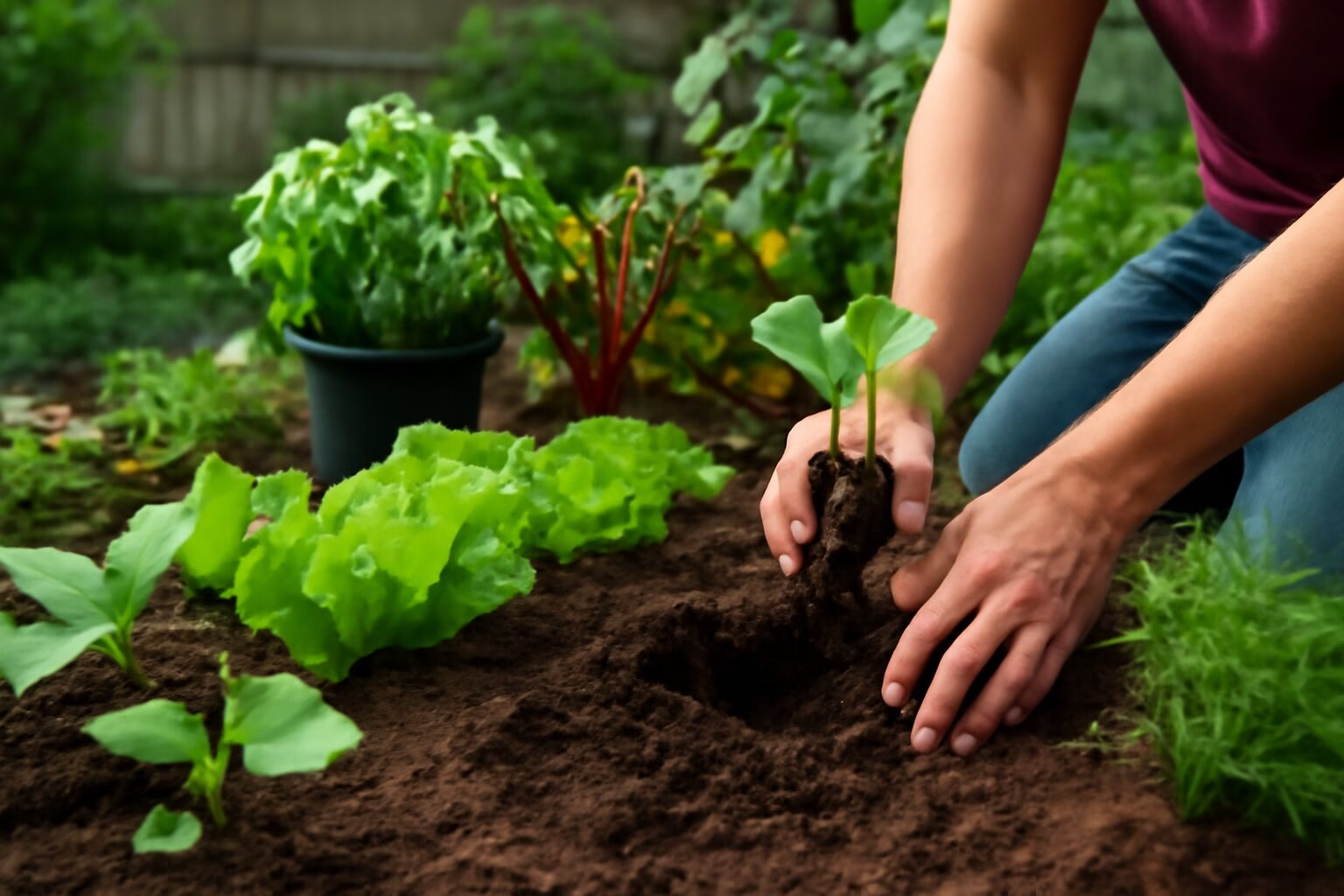
Growing your own food at home can be a rewarding and sustainable practice. Whether you’re interested in fresh vegetables for cooking, herbs for seasoning, or even fruits for smoothies, having a home garden allows you to enjoy the satisfaction of harvesting your own produce. Not only will you save money at the grocery store, but you’ll also know exactly what goes into the food you eat, which is great for your health.
In this article, we’ll guide you through the steps to start a home garden, provide tips for cultivating fresh produce, and offer useful advice for creating an environment that promotes healthy plant growth.
1. Choosing the Right Location for Your Garden
The first step in starting your home garden is choosing the right location. The location you choose will impact how well your plants grow, so it’s important to select an area with the right conditions for your plants.
Sunlight
Most plants require at least 6 hours of direct sunlight per day to thrive. If your space gets too little sunlight, your plants may become leggy and weak. Therefore, it’s best to choose a sunny spot, such as a backyard or a sunny balcony.
If you’re gardening indoors, look for a south-facing windowsill or consider using grow lights to supplement the sunlight your plants need.
Soil Quality
Good soil is essential for a successful garden. Most vegetables and fruits thrive in well-draining, slightly acidic soil (pH 6.0–7.0). Before you start planting, it’s a good idea to test your soil to understand its pH and nutrient levels. You can then amend the soil by adding compost or organic matter to improve its quality and provide the necessary nutrients.
If you’re growing your garden in containers, choose high-quality potting soil, as it is designed for optimal drainage and root health.
Space
Even if you don’t have a large yard, you can still grow a variety of fruits and vegetables. Raised beds, containers, and vertical gardening techniques make it possible to cultivate food in small spaces. Plan your garden layout to ensure plants have enough space to grow properly without overcrowding.
2. Selecting What to Grow
When choosing which plants to grow, consider the climate in your area, your gardening experience, and how much space you have. Some plants are easier to grow than others, and some need more care and attention. Here are some great options for beginner gardeners:
1. Herbs
Herbs are among the easiest plants to grow and require minimal space. Basil, parsley, rosemary, thyme, and cilantro are popular herbs that thrive both indoors and outdoors. They can be grown in small containers, making them perfect for kitchens, balconies, or windowsills.
- Tip: Herbs typically prefer well-drained soil and consistent watering. Be sure to prune them regularly to encourage fresh growth.
2. Lettuce and Leafy Greens
Lettuce, spinach, kale, and arugula are all fast-growing, nutritious vegetables that do well in cool weather. These leafy greens can be grown in small garden beds, containers, or even hanging baskets.
- Tip: To keep your lettuce and leafy greens healthy, water them consistently, but avoid waterlogging. Harvest leaves regularly to encourage new growth.
3. Tomatoes
Tomatoes are a favorite for home gardeners. They grow well in both small containers and garden beds and produce delicious fruits for a variety of dishes. There are many varieties, including cherry tomatoes, Roma tomatoes, and beefsteak tomatoes.
- Tip: Tomatoes need full sunlight and should be watered deeply, especially during the fruiting stage. Support plants with stakes or cages to prevent the stems from breaking under the weight of the fruit.
4. Peppers
Peppers, both sweet and hot varieties, are easy to grow and add a spicy kick to your meals. They thrive in full sunlight and warm conditions, making them perfect for summer gardening.
- Tip: Keep your pepper plants well-watered and ensure they have enough space to grow. Consider growing peppers in containers or raised beds to make them easier to manage.
5. Carrots
Carrots are a root vegetable that grows well in loose, well-draining soil. They can be grown in containers or directly in the garden. Carrots are relatively low-maintenance and can be harvested in just a few months.
- Tip: Space your carrot seeds at least 2 inches apart to allow room for the roots to grow. Keep the soil moist to prevent the carrots from becoming tough or woody.
3. Planting Your Garden
Once you’ve selected your plants, it’s time to plant them. Follow these steps to ensure the best results:
1. Direct Sowing vs. Transplants
Some plants, like carrots and peas, do best when direct-sown into the soil, meaning you plant the seeds directly in the ground. Others, like tomatoes and peppers, are best started indoors or purchased as transplants to give them a head start.
- Tip: If starting from seeds, be sure to follow the instructions on the seed packet regarding depth and spacing.
2. Companion Planting
Companion planting is the practice of planting certain plants together to benefit each other. For example, planting basil near tomatoes can improve the flavor of the tomatoes and help deter pests. Similarly, marigolds can help keep pests like aphids away from your garden.
- Tip: Research companion plants to make the most of your space and improve plant health.
4. Caring for Your Garden
Once your plants are in the ground or in containers, regular care is essential for healthy growth. Here are some key elements to consider:
1. Watering
Watering is crucial, but it’s important not to overdo it. Most plants prefer deep watering rather than frequent shallow watering. This encourages deep root growth. Water in the early morning or evening to avoid the midday heat, which can cause water to evaporate quickly.
- Tip: Use a soaker hose or drip irrigation to deliver water directly to the roots, reducing water waste and preventing fungal diseases.
2. Fertilizing
Fertilize your plants with organic compost or a balanced fertilizer to provide essential nutrients. Avoid using too much fertilizer, as this can lead to excessive leaf growth and reduced fruit production. Some plants, like tomatoes and peppers, may benefit from additional feeding during their flowering or fruiting stages.
- Tip: Always follow the manufacturer’s instructions when using store-bought fertilizers.
3. Pruning and Harvesting
Regular pruning and harvesting promote new growth and prevent disease. Remove any dead or damaged leaves, stems, or flowers to keep your plants healthy. Harvest vegetables and fruits at their peak ripeness to enjoy them at their best.
- Tip: Use sharp scissors or garden shears to avoid damaging the plant when pruning.
5. Dealing with Pests and Diseases
While home gardens are often healthier than store-bought produce, they can still be susceptible to pests and diseases. Here’s how to protect your garden:
- 1. Monitor Regularly: Check your plants regularly for signs of pests or disease. Common garden pests include aphids, snails, and caterpillars. If you notice an infestation, try using natural pest control methods, such as neem oil or insecticidal soap.
- 2. Use Organic Solutions: Avoid chemical pesticides, as they can harm beneficial insects and the environment. Organic solutions like diatomaceous earth or companion planting can help keep pests at bay.
- 3. Rotate Crops: To prevent soil-borne diseases, rotate crops every year so that the same type of plant isn’t grown in the same spot repeatedly.
6. Enjoying the Harvest
Once your plants are fully grown, it’s time to enjoy the fruits of your labor! Harvest your vegetables and fruits regularly and use them in your favorite dishes. Nothing beats the taste of freshly grown produce right from your own garden.
- Tip: Consider preserving your harvest by canning, freezing, or drying excess produce to enjoy it throughout the year.
Conclusion: Cultivating Your Own Fresh Food at Home
Starting a home garden can be a fun, rewarding, and sustainable way to grow your own fresh food. Whether you have a small balcony or a spacious backyard, you can create a thriving garden that provides you with delicious vegetables, fruits, and herbs. By choosing the right location, selecting the best plants, and following essential care tips, you’ll be well on your way to enjoying fresh, home-grown produce all year long.
Happy gardening, and enjoy the fruits (and vegetables) of your labor!