
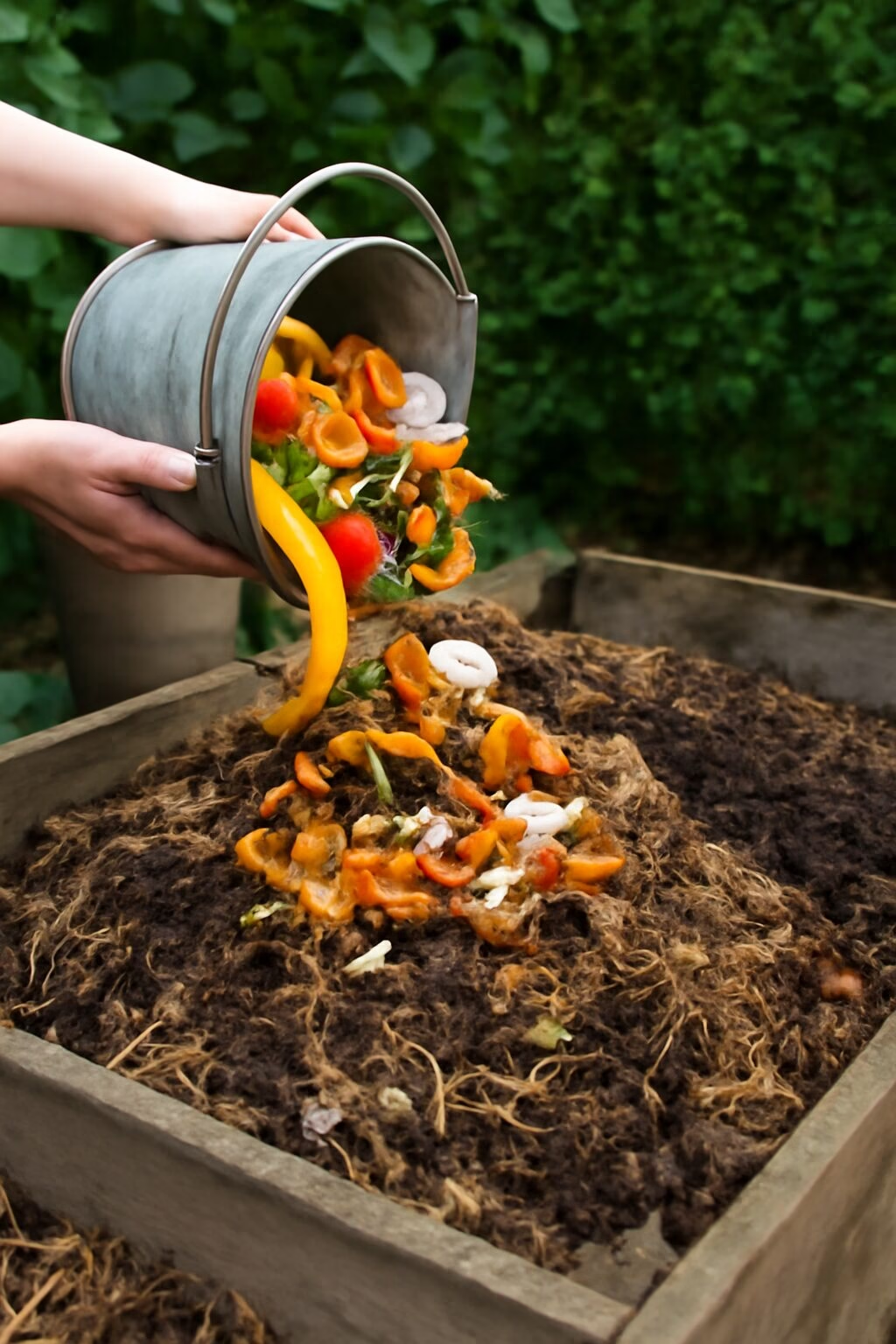
Composting is one of the most environmentally friendly and cost-effective ways to improve the quality of your garden soil. Not only does it reduce waste and minimize the need for chemical fertilizers, but it also creates nutrient-rich soil that helps your plants grow healthier and more robust. By composting at home, you can recycle organic waste from your kitchen and garden, turning it into valuable, organic matter that enriches the soil and supports a more sustainable gardening practice.
In this article, we’ll guide you through the basics of composting at home, including what you need, how to start, and the steps involved in creating nutrient-dense compost to boost your garden soil.
1. Understanding Composting
At its core, composting is a natural process in which organic materials, such as food scraps, leaves, and grass clippings, break down into rich, dark humus. This process is driven by microorganisms like bacteria, fungi, and insects, which decompose the organic matter into simpler forms, making it easier for plants to absorb nutrients.
Why composting is beneficial:
- Improves soil structure: Compost helps break up heavy clay soils and improves drainage, while also helping sandy soils retain moisture.
- Enhances soil fertility: It adds essential nutrients like nitrogen, phosphorus, and potassium, which are vital for plant growth.
- Reduces waste: By composting food scraps and yard waste, you can reduce the amount of organic material sent to landfills, cutting down on harmful greenhouse gas emissions.
- Reduces the need for chemical fertilizers: Compost provides a natural alternative to synthetic fertilizers, which can be harmful to the environment.
2. What You Need to Start Composting
Composting at home doesn’t require much equipment, and you can get started with a few basic supplies. Here’s a list of what you’ll need:
- Compost bin or pile: While you can compost directly on the ground, using a compost bin keeps things tidy and contained. You can purchase a compost bin, or if you prefer, make one yourself using wooden pallets or wire mesh. Alternatively, you can create a compost pile in a corner of your yard.
- Organic materials: These are the materials you will compost. They can be divided into two categories: greens and browns.
- Greens: These are nitrogen-rich materials that help fuel the composting process. Examples include vegetable scraps, fruit peels, coffee grounds, grass clippings, and manure.
- Browns: These are carbon-rich materials that provide structure and balance to your compost. Examples include leaves, straw, shredded newspaper, cardboard, and wood chips.
- Water: Compost needs to stay moist but not too wet. You may need to water your compost pile occasionally to keep it at the right moisture level.
- Aeration tool: Turning the compost regularly helps add oxygen to the pile, which speeds up the decomposition process. A garden fork or compost aerator is useful for turning the pile every few weeks.
3. Starting Your Compost Pile
Once you’ve gathered your materials, it’s time to start building your compost pile. The ideal compost pile needs to be layered with a balance of green and brown materials.
How to build your compost pile:
- Choose a location: Select a shady, well-drained spot for your compost bin or pile. It should be near your garden for easy access.
- Start with a base layer: Lay down a layer of coarse materials, like straw or small branches, at the bottom of your compost bin or pile. This helps with drainage and airflow.
- Add layers of greens and browns: Alternate layers of green materials (like fruit scraps or coffee grounds) and brown materials (like leaves or cardboard). Try to aim for a ratio of about 3 parts brown materials to 1 part green materials. Too much green material can make the compost too wet and smelly, while too much brown material can slow down decomposition.
- Water as needed: Keep the compost moist but not soaking wet. If it’s too dry, the decomposition process will slow down, and if it’s too wet, it can become slimy and smelly.
4. Turning Your Compost
To speed up the decomposition process and prevent odors, it’s essential to turn your compost pile regularly. This introduces oxygen into the pile, which helps aerobic bacteria break down the organic matter more quickly.
How often to turn your compost:
- Aim to turn your compost every 2 to 3 weeks. Use a garden fork or compost aerator to mix the materials, making sure to turn the outer layers to the center and vice versa. This helps distribute moisture, temperature, and oxygen evenly throughout the pile.
- If your compost pile gets too wet or starts to smell bad, turn it more frequently to allow for better aeration and drainage.
5. Maintaining Your Compost Pile
Composting is an ongoing process that requires attention and maintenance. Here are some additional tips to ensure that your compost pile is healthy and active:
- Monitor moisture levels: If the pile is too dry, add water to keep it moist. If it’s too wet, add more brown materials, like dry leaves or straw, to absorb the excess moisture.
- Watch for pests: While composting naturally attracts insects, avoid attracting rodents or larger pests by keeping meat, dairy, and oily foods out of the pile. If you notice pests, consider covering your pile with a tarp to discourage them.
- Monitor temperature: A healthy compost pile generates heat as the materials decompose. The ideal temperature for composting is between 130-160°F (55-70°C). If the pile cools down, turn it more frequently to encourage heat production.
6. Harvesting Your Compost
Depending on the size of your compost pile, it can take anywhere from 2 to 6 months to fully decompose. The compost will be ready when it’s dark, crumbly, and has an earthy smell. If you see recognizable food scraps or materials, it’s not ready yet.
How to harvest your compost:
- Use the “bin method”: If you’re using a compost bin, remove the finished compost from the bottom of the pile and add it directly to your garden beds.
- Sift the compost: If you have large pieces of material that haven’t fully decomposed, you can sift the compost to separate the finished material from the unfinished material. The larger pieces can go back into the compost bin for further breakdown.
7. Using Compost in Your Garden
Once your compost is ready, it’s time to use it to improve the soil in your garden. Compost can be used in a variety of ways:
- As a soil amendment: Mix compost into your garden soil to improve its texture, increase its nutrient content, and enhance its moisture retention.
- As a mulch: Apply a layer of compost around the base of plants to conserve moisture, suppress weeds, and regulate soil temperature.
- As a top dressing: Add compost to the surface of your garden beds to provide a nutrient boost to the plants without disturbing the soil.
Final Thoughts on Composting at Home
Composting at home is a simple yet powerful way to improve your garden soil and reduce waste. By following the steps outlined in this guide, you can create nutrient-rich compost that will help your plants grow strong, healthy, and productive. Not only will you be contributing to a healthier garden, but you’ll also be making a positive impact on the environment.
Start composting today and see the difference it makes in your garden – your plants (and the planet) will thank you!
This article provides a complete guide on how to compost at home, offering tips on how to create and maintain a compost pile and how to use the finished compost to enrich your garden soil.