
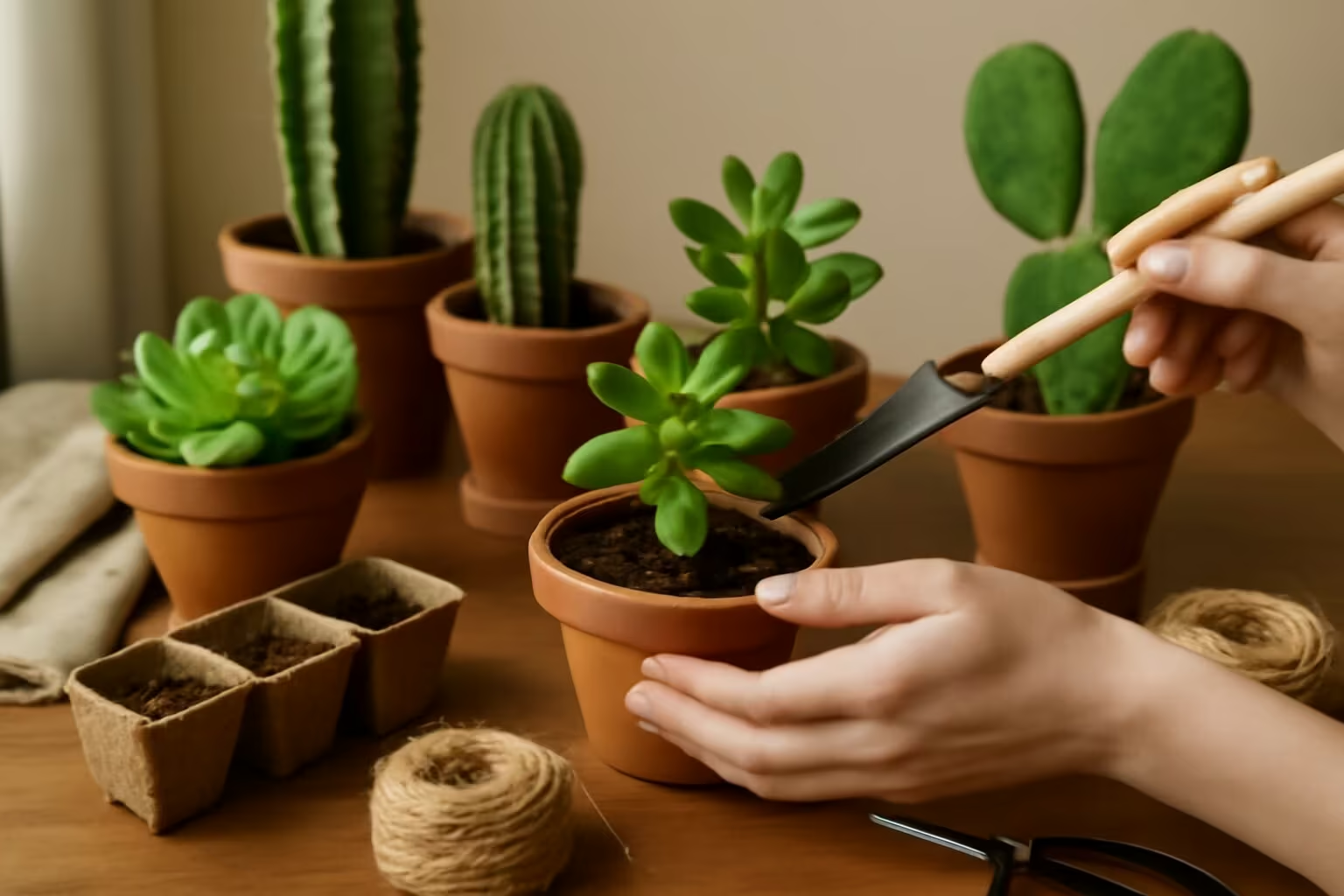
Gardening can be a therapeutic and rewarding activity, but for many, time is a precious commodity. Between work, family commitments, and other daily responsibilities, finding the time to tend to plants can often be a challenge. However, with the right approach, it’s entirely possible to keep your plants healthy and thriving without spending hours on maintenance. In this article, we’ll explore practical and efficient gardening tips that allow you to care for your plants even with a busy lifestyle.
1. Choose Low-Maintenance Plants
One of the simplest ways to ensure that your garden doesn’t become a time-consuming burden is to choose plants that are easy to care for. Some plants are naturally more resilient and require less attention, making them perfect for individuals with limited time.
- Succulents and Cacti: These plants are known for their minimal water needs and ability to thrive in dry conditions. They generally require infrequent watering, and many varieties don’t need frequent repotting.
- Snake Plant (Sansevieria): This plant is nearly indestructible and thrives on neglect. It can tolerate low light, drought, and infrequent watering, making it an excellent choice for busy individuals.
- Spider Plant (Chlorophytum comosum): This plant is very easy to care for. It thrives in various light conditions, requires occasional watering, and even produces offshoots that you can propagate.
- ZZ Plant (Zamioculcas zamiifolia): The ZZ plant is another hardy option that requires little water, thrives in low light, and can go without care for extended periods.
- Pothos: Known for its trailing vines, pothos is a low-maintenance plant that can survive in low light and only needs water when its soil is dry.
Tip: Stick to plants that are well-suited to your home’s conditions (lighting, humidity, temperature), and you’ll reduce the time and effort spent on plant care.
2. Use Self-Watering Planters
Self-watering planters are a game-changer for anyone with a busy schedule. These planters feature a built-in reservoir that allows the plant to absorb water as needed, which means you don’t have to water them as frequently. This is especially helpful if you tend to forget to water your plants or if you’re out of town often.
- Benefits of Self-Watering Planters: These planters ensure your plants are never overwatered or underwatered. The plants take up water from the reservoir, and the system ensures that the soil stays consistently moist without waterlogging.
- Types of Self-Watering Planters: There are various types available, from traditional pots with built-in reservoirs to modern, sleek designs. You can find them in a variety of sizes to suit your plants and decor.
Tip: Even with self-watering planters, it’s important to check the water levels occasionally to ensure that the reservoir doesn’t run dry.
3. Group Plants with Similar Needs
When you have multiple plants, it’s helpful to group them according to their care requirements. By grouping plants with similar light, water, and humidity needs, you can streamline your care routine and avoid over- or underwatering.
- Sunlight Needs: Place plants that require bright, direct sunlight near windows with good exposure, while those that tolerate low light can be placed further away.
- Watering Needs: Group plants that need frequent watering together, while those that prefer dry soil can be placed in areas that are less prone to moisture accumulation.
- Humidity: Plants that require higher humidity, such as ferns or tropical plants, can be grouped together and placed in a more humid area, like a bathroom or near a humidifier.
Tip: By clustering plants with similar needs, you reduce the chances of forgetting to water or over-watering a plant, and you can care for them more efficiently.
4. Set Up an Irrigation System
If you’re willing to invest a little time in setting up an irrigation system, this can save you a lot of time in the long run. Drip irrigation or a sprinkler system can water your plants automatically, making it easier to maintain them without much effort.
- Drip Irrigation: This system delivers water directly to the plant roots through a series of tubes and emitters. It’s an efficient way to water plants with minimal waste and ensures that your plants get the right amount of water.
- Sprinkler Systems: While ideal for outdoor gardens, a sprinkler system can also be set up for balcony or patio gardens. Just make sure the system is set up in a way that provides enough water to all your plants.
- Automated Watering Devices: There are various automated watering devices available that can be plugged into a regular water source and set to water your plants on a schedule. These can be an ideal solution for busy gardeners.
Tip: Even though these systems can save time, it’s still important to monitor them periodically to ensure the plants are getting enough water.
5. Use Time-Saving Tools and Gadgets
Having the right tools can make gardening much easier, and you don’t need to spend hours on maintenance if you use the right gadgets. Here are some tools and devices that can help you save time:
- Watering Cans with Long Spouts: These allow for easy watering, especially for plants placed on shelves or in hard-to-reach spots.
- Pruning Shears: Keeping your plants pruned will help them grow healthier and keep them looking neat with minimal effort. Invest in a good pair of pruning shears that can easily trim leaves and stems.
- Soil Moisture Meter: A moisture meter allows you to quickly check whether the soil needs water, so you don’t have to guess or check the soil manually.
- Fertilizer Spikes: Rather than mixing fertilizer into your watering can, use fertilizer spikes for slow-release nutrients that last for weeks, reducing the frequency of fertilizing.
Tip: Having the right tools on hand will make gardening more efficient and ensure that you’re providing the best care for your plants in less time.
6. Delegate the Work
If you’re really pressed for time, consider delegating some of the plant care tasks to others. If you live with family members or roommates, ask them to help with watering or pruning. If you’re going away for a few days, ask a friend or neighbor to check on your plants.
- Plant Care Schedule: Set up a plant care schedule to ensure everyone knows when to water or tend to the plants. It’ll keep everyone on track, and you won’t have to worry about your plants while you’re busy.
- Hiring a Plant Care Service: In some cities, there are professional plant care services that will take care of your plants while you’re away or when you don’t have the time. These services can be particularly useful for people with a larger collection of plants.
Tip: Don’t hesitate to ask for help when you need it—delegating tasks can free up your time and ensure your plants stay healthy.
7. Seasonal Plant Care
Plants have different needs depending on the season, and understanding these changes can help you reduce the time you spend on gardening. During colder months, many plants go into dormancy, requiring less attention.
- Winter Care: Many plants, especially indoor plants, slow down in the winter. They need less water and may not require as much fertilizer during this time. Use this period as an opportunity to reduce the amount of time you spend on plant care.
- Spring and Summer: During the growing season, plants may require more frequent watering and regular fertilizing. However, setting up an irrigation system or using self-watering pots can help keep the care routine manageable.
- Fall Transition: As temperatures cool, plants may need to be moved indoors or sheltered. This is a great time to reassess their light conditions and make adjustments accordingly.
Tip: Be mindful of the changes each season brings and adjust your care routine to match the plant’s needs. This will help you save time and effort throughout the year.
Conclusion
Gardening doesn’t have to be time-consuming. By selecting low-maintenance plants, using self-watering planters, grouping plants with similar needs, and utilizing time-saving tools, you can maintain a thriving garden even with a busy schedule. Remember, the key to efficient gardening is planning ahead and incorporating systems that reduce the amount of time spent on daily tasks. Whether you have a few plants on your windowsill or a small balcony garden, these strategies will help you enjoy the benefits of a beautiful garden without the stress of constant upkeep. Happy gardening!