
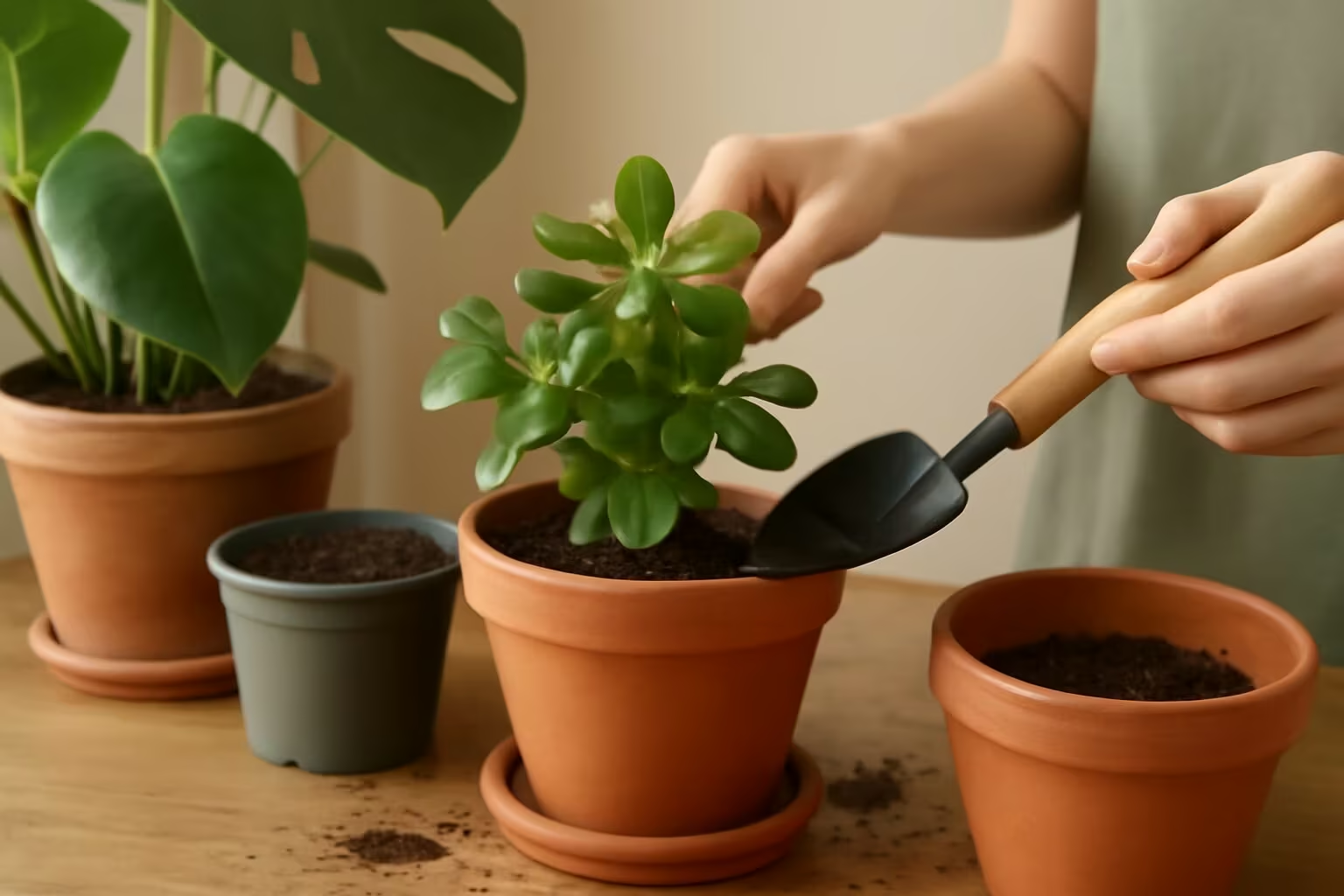
Potted plants are a wonderful way to bring greenery and life into your home, and they provide the flexibility to move plants around as needed. However, caring for plants in pots requires some attention and knowledge to ensure they thrive. While the basics of plant care might seem similar across the board, potted plants have unique needs that are important to address. Whether you’re a seasoned gardener or a beginner, understanding the essential care requirements of potted plants will help you maintain healthy and beautiful plants. In this article, we’ll go over the key factors to focus on for your potted plants’ well-being.
1. Choosing the Right Pot for Your Plant
The foundation of a healthy potted plant starts with selecting the right pot. The pot should accommodate the plant’s size, allow for proper root growth, and offer good drainage. Here’s what to keep in mind:
- Pot Size: Choose a pot that allows enough room for your plant’s roots to grow but isn’t too large. A pot that’s too big can lead to overwatering, as the soil will take longer to dry out. As a general rule, choose a pot that’s 1-2 inches larger in diameter than the plant’s root ball.
- Drainage: Ensure your pot has drainage holes at the bottom. This is crucial to prevent water from accumulating and causing root rot. If you have a decorative pot without drainage, you can place a plastic pot inside it, allowing water to escape freely.
- Material: Pots come in a variety of materials, including plastic, terracotta, and ceramic. Each material has its pros and cons:
- Plastic pots are lightweight, retain moisture, and are easy to move.
- Terracotta pots are porous and allow moisture to evaporate more quickly, which is great for plants that prefer drier conditions.
- Ceramic pots are sturdy and come in many decorative styles, but they can be heavy and hold moisture longer than terracotta.
Tip: If you’re unsure about the size, it’s always safer to choose a slightly smaller pot. You can always repot your plant later as it grows.
2. Potting Mix: The Right Soil for Your Plants
The type of potting mix you use plays a major role in the health of your potted plants. The right soil provides the necessary nutrients, structure, and drainage for your plant’s roots to grow and thrive. Not all potting mixes are the same, so make sure to choose one suited to your plant’s needs:
- General-purpose potting mix: Good for most indoor plants and vegetables.
- Cactus and succulent mix: Has better drainage and is designed for plants that prefer dry conditions.
- Orchid mix: Often contains bark and other materials to provide the air circulation orchids need for healthy root growth.
- Specialized mixes: Some plants, like azaleas or African violets, may require a specific type of soil mix, so it’s worth researching the best mix for your plant.
Tip: Avoid using garden soil, as it may be too heavy and not drain well in pots. Always use potting soil designed for container plants.
3. Proper Watering: Finding the Right Balance
Watering is one of the most critical aspects of potted plant care. Overwatering and underwatering are two common mistakes that can lead to plant stress and decline. Here’s how to get it right:
- Check Soil Moisture: Before watering, check the moisture level of the soil by sticking your finger about an inch into the soil. If it feels dry, it’s time to water. If it’s still damp, wait a few more days.
- Watering Method: Water thoroughly so that the water drains out of the bottom of the pot. This ensures that the roots receive enough moisture. Avoid letting the plant sit in water, as this can cause root rot.
- Frequency: The frequency of watering depends on the plant type, pot size, and environmental conditions. Typically, indoor plants need less water during the winter months when their growth slows. As a rule of thumb, water when the top inch of soil is dry for most plants.
- Watering Tools: Use a watering can with a long spout for indoor plants, especially for those with smaller pots or narrow spaces. This allows for more controlled watering.
Tip: Plants in smaller pots tend to dry out more quickly than larger pots. Ensure you are adjusting the watering frequency accordingly.
4. Light Requirements: Providing the Right Amount of Sun
Light is crucial for plant growth, and potted plants are no different. The amount of sunlight your plant receives directly affects its health and development. To provide the best light conditions:
- Know Your Plant’s Light Needs: Some plants, like succulents and cacti, require full sun, while others, like ferns and peace lilies, thrive in low light. Know your plant’s light preferences and place it accordingly.
- Indoor Lighting: If you’re growing plants indoors, place them near windows that get plenty of light. A south-facing window typically gets the most sun, but east or west-facing windows can work well too, depending on the time of day.
- Artificial Light: If your space lacks natural light, consider using grow lights to supplement. LED grow lights are energy-efficient and provide the light spectrum plants need for healthy growth.
Tip: If you notice that your plant is leaning toward the light or growing in an unusual direction, it may not be getting enough light. You may need to move it to a brighter location.
5. Fertilizing: Providing Essential Nutrients
Plants in pots rely on you to supply all their nutrients since they don’t have access to the soil in the ground. Fertilizing helps to ensure that your plants get the nutrients they need to grow and stay healthy.
- When to Fertilize: During the growing season (spring and summer), most plants benefit from regular feeding. In the fall and winter, many plants go dormant and require less fertilizer, so reduce or stop fertilizing during this period.
- Types of Fertilizers:
- Liquid fertilizer: Easy to use and fast-acting. You can dilute it with water and apply it directly to the soil.
- Slow-release granules: These provide a steady supply of nutrients over time and are ideal for busy gardeners.
- Organic fertilizers: Such as compost or worm castings, are natural options that provide a balanced mix of nutrients.
- How to Fertilize: Always follow the manufacturer’s instructions when using commercial fertilizers. Over-fertilizing can lead to nutrient burn and damage the plant.
Tip: Plants in smaller pots may need more frequent feeding, as the nutrients in the soil can be depleted more quickly.
6. Repotting: When and How to Transplant
As your plant grows, it will eventually outgrow its pot. Repotting is necessary to give the plant more room to grow and to refresh the soil. Here’s when and how to repot your potted plants:
- When to Repot: Repot when the plant has outgrown its pot, when roots are visible at the bottom of the pot, or when the soil becomes compacted and no longer drains well. Generally, repotting every 1-2 years is recommended for most plants.
- How to Repot: Choose a pot that is 1-2 inches larger in diameter than the current pot. Gently remove the plant from its pot, trim any overly long or damaged roots, and place the plant in the new pot. Add fresh soil around the plant, ensuring it is positioned at the same level as before.
Tip: Be careful not to over-pot your plants. Choosing a pot too large can lead to water retention issues, which can be harmful to the plant.
7. Pruning and Cleaning: Keeping Your Plants Healthy
Regular pruning and cleaning are essential to maintaining your plant’s health and appearance:
- Pruning: Remove dead or yellowing leaves to encourage new growth and maintain the plant’s shape. Use sharp, clean pruning shears to avoid damaging the plant.
- Cleaning: Dust can accumulate on your plant’s leaves, blocking sunlight. Wipe the leaves gently with a damp cloth or give the plant a gentle shower using lukewarm water to remove the dust.
Tip: Keep an eye on your plants for signs of pests or disease, such as discolored or damaged leaves. Addressing issues early can prevent bigger problems down the line.
Conclusion
Caring for potted plants requires attention to detail, but with the right approach, you can keep your plants thriving and healthy. By choosing the right pot, providing proper soil, watering appropriately, ensuring they receive the right amount of light, and feeding them regularly, your plants will be well on their way to vibrant growth. With a little care and patience, your potted plants can flourish and brighten up your home, adding beauty and life to any space. Happy planting!