
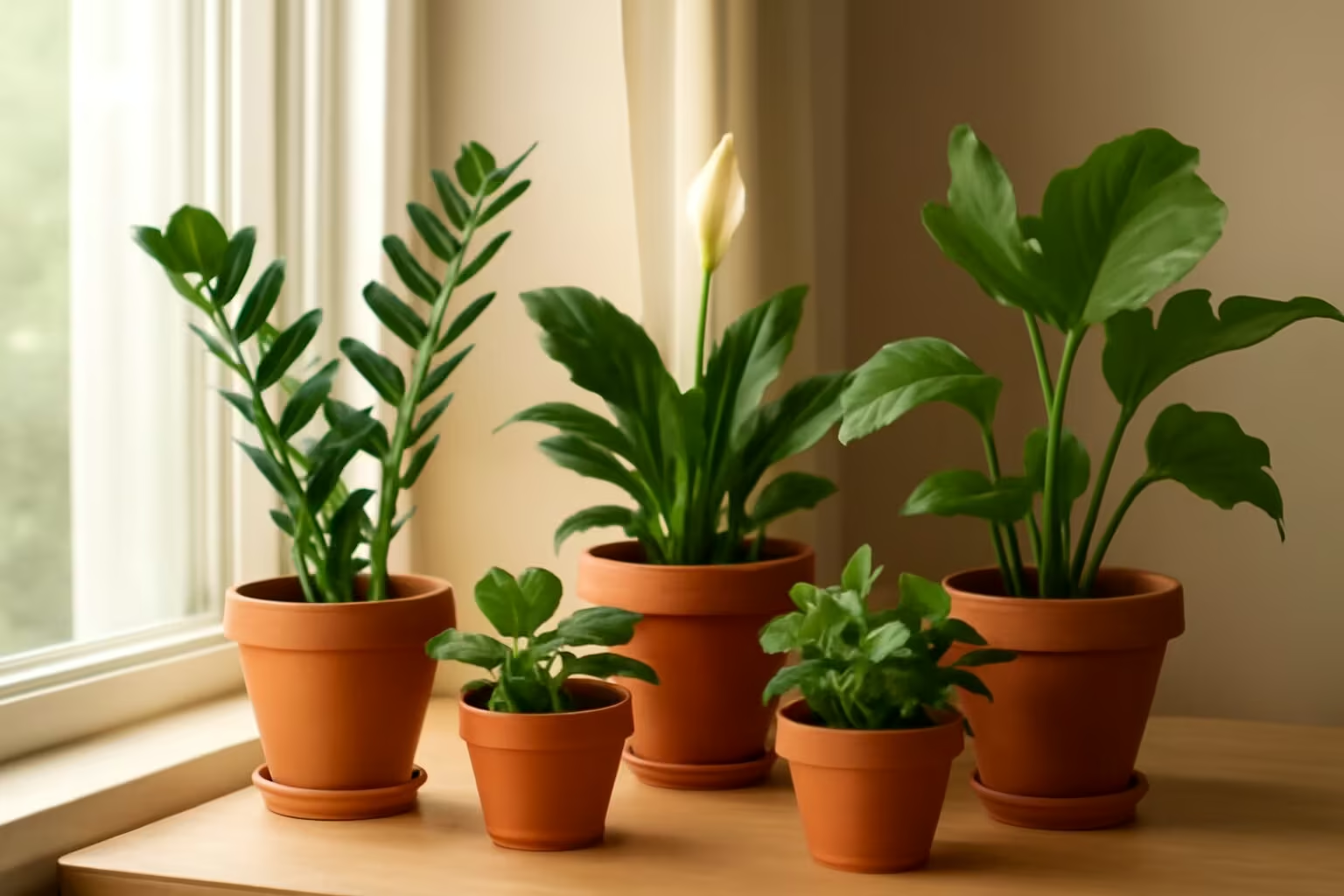
Natural light is a key factor in the growth and health of your plants. Plants rely on light to perform photosynthesis, the process by which they convert sunlight into energy, which is essential for their survival. Without the right amount of light, your plants may become leggy, weak, or fail to thrive. While artificial lights can supplement natural light, nothing beats the warmth and intensity of the sun. In this article, we’ll explore the importance of natural light for plants and provide tips on how to ensure your plants get the most out of it.
1. Understanding the Role of Light in Plant Growth
Plants are highly sensitive to light, and the amount of light they receive affects their overall growth, flowering, and even their ability to produce food through photosynthesis. Here’s how light affects plants:
- Photosynthesis: Light is essential for photosynthesis, which is the process by which plants produce food. Plants use sunlight to convert carbon dioxide and water into glucose and oxygen. Without enough light, this process slows down, which can affect a plant’s health and development.
- Photoperiod: Different plants have different light requirements in terms of the duration of light exposure. Some plants are “long-day” plants, requiring extended hours of light, while others are “short-day” plants that bloom or grow better when exposed to less light.
- Circadian Rhythm: Plants also follow a natural internal clock, called their circadian rhythm, which regulates their growth and sleep cycles. This rhythm is influenced by natural light and the duration of exposure, which affects their blooming and overall activity.
Tip: Understanding the light needs of each plant species is key to optimizing their growth. While some plants prefer full sun, others thrive in low light. Researching your plants’ specific requirements will ensure they get the right amount of light.
2. Types of Light Your Plants Need
When it comes to light, not all plants require the same conditions. Some plants thrive in bright, direct sunlight, while others do better in indirect light. Here’s a breakdown of different types of light your plants may need:
- Full Sun: Plants that require full sun need at least 6 hours of direct sunlight each day. These plants generally come from areas with intense sunlight, such as deserts or open fields. Examples include tomatoes, peppers, and sunflowers.
- Partial Sun/Partial Shade: These plants need 3-6 hours of direct sunlight but also tolerate some shade, especially during the hottest part of the day. Many flowering plants, like roses and geraniums, fall into this category.
- Indirect Light: Plants that thrive in indirect light do well in spaces where the sunlight is diffused, such as near sheer curtains or on windowsills that don’t face the sun directly. Popular plants in this category include peace lilies, snake plants, and ferns.
- Low Light: Some plants are adapted to grow in very low light conditions, such as deep forest floors where sunlight is minimal. These plants require very little light to survive. Examples include pothos, ZZ plants, and some types of ferns.
Tip: If you’re unsure about the light your plants need, observe how they react to their current conditions. If the plant is stretching toward the light or its leaves are turning yellow, it may not be receiving enough light.
3. How to Maximize Natural Light for Your Plants
Making the most of natural light can be a game-changer for your plants. Here are some strategies to ensure your plants receive optimal sunlight:
1. Place Plants Near Windows
The most obvious way to provide natural light is by placing your plants near windows. However, different windows provide different levels of light:
- South-Facing Windows: These windows receive the most sunlight, especially in the Northern Hemisphere. They are ideal for plants that need full sun. If you have limited space, try placing your plants on a windowsill or in a sunny corner of the room.
- East-Facing Windows: These windows receive morning sunlight, which is softer and less intense than the afternoon sun. They are great for plants that prefer moderate sunlight, such as herbs or ferns.
- West-Facing Windows: These windows receive strong afternoon sunlight. While great for plants that thrive in full sun, you may need to use sheer curtains to diffuse the light, as it can be too intense for some plants.
- North-Facing Windows: These windows receive the least amount of direct sunlight, making them ideal for low-light plants such as snake plants or pothos. However, these windows still provide indirect light, which is sufficient for many indoor plants.
Tip: If you’re growing plants indoors, experiment with different locations to find the spot that offers the most consistent and beneficial light for your plants.
2. Rotate Your Plants
Plants naturally grow toward the light source, a phenomenon known as phototropism. To encourage even growth and prevent your plants from becoming lopsided or leaning toward the light, rotate them every week. This ensures that all sides of the plant get equal exposure to light, promoting balanced growth.
Tip: Regular rotation will also help plants develop a more uniform shape and prevent them from becoming leggy or weak on one side.
3. Use Reflective Surfaces
You can amplify the amount of light your plants receive by using reflective surfaces. Place plants near mirrors or white walls, which can bounce light back onto the plants, increasing their exposure. Light-colored surfaces will reflect more light, while darker surfaces may absorb it, reducing the light available for your plants.
Tip: If you’re limited on space, consider using a small mirror or reflective material placed near your plants to enhance the light they receive.
4. Consider Sheer Curtains for Diffusion
While direct sunlight is great for many plants, it can sometimes be too harsh, causing leaf burn or wilting. Using sheer curtains or window films can diffuse the light, providing a softer, more consistent light source for your plants. This is especially important for plants that require indirect light, like orchids or peace lilies.
Tip: Adjust the curtain or film to control the amount of light your plants get, ensuring it’s not too intense or too dim.
4. Supplemental Lighting for Low-Light Areas
If natural light is scarce, or if your plants need more than what your windows provide, consider using artificial grow lights to supplement natural sunlight. Grow lights come in various forms, including fluorescent, LED, and incandescent bulbs, each designed to mimic the spectrum of sunlight needed for plant growth.
- LED Grow Lights: These are the most energy-efficient option and are available in both full-spectrum (mimicking natural light) and specific spectra for different plant needs.
- Fluorescent Grow Lights: A cost-effective option, ideal for smaller plants or those in low-light areas.
- Incandescent Bulbs: These provide heat, which can be beneficial for certain plants but are not as efficient as LED or fluorescent lights.
Tip: Position grow lights about 6-12 inches from your plants to simulate the natural light cycle. Ensure the light is on for 12-16 hours a day to mimic the conditions of the sun.
5. Monitor Plant Health
To ensure your plants are receiving the right amount of light, monitor their health regularly. Signs that your plant may not be getting enough light include:
- Leggy Growth: When plants stretch toward the light and grow long, weak stems, they are trying to get closer to the light source.
- Yellowing Leaves: If your plant’s leaves are turning yellow, it may not be receiving enough light. However, this could also be a sign of overwatering or nutrient deficiencies.
- Slow Growth: Plants that aren’t growing as quickly as expected may need more light. Consider relocating them to a sunnier spot or using supplemental lighting.
Tip: If you notice any of these signs, adjust the placement of your plants to increase their exposure to natural light.
Conclusion
Natural light is essential for the health and growth of your plants, and understanding how to maximize the light your plants receive can make all the difference. By choosing the right location, rotating your plants regularly, and using reflective surfaces or supplemental lighting, you can help your plants thrive and maintain their vibrant appearance. With just a little effort, you can ensure that your plants get the natural light they need to grow strong, healthy, and beautiful. Happy gardening!