
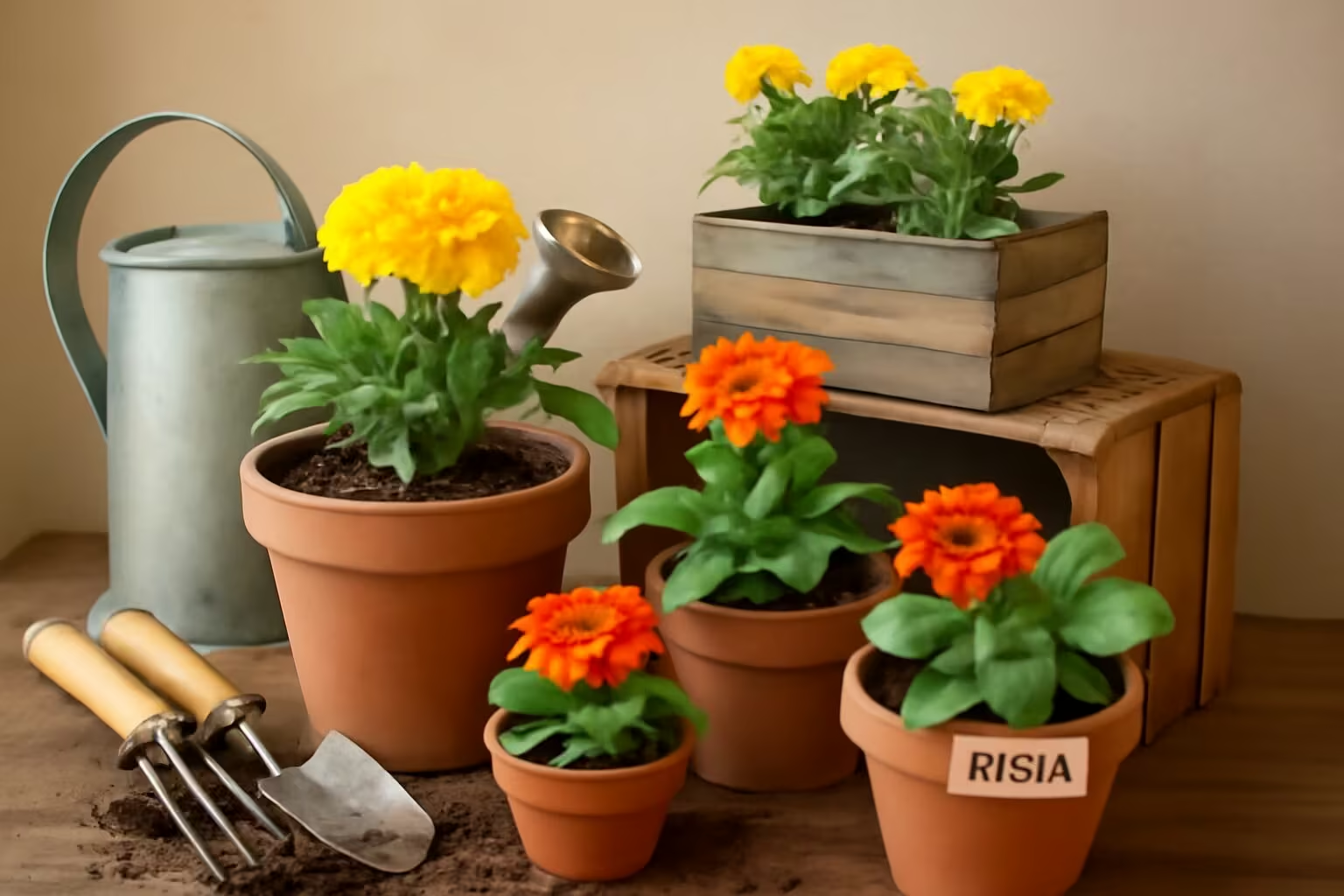
Gardening is a rewarding hobby that brings beauty and tranquility to any space. However, creating a beautiful garden doesn’t have to mean spending a fortune. With a little creativity and some smart choices, you can build a garden that thrives on a budget. In this article, we’ll explore practical and affordable gardening tips that will help you create a beautiful, low-cost garden.
1. Start with Budget-Friendly Plants
Choosing the right plants is crucial when gardening on a budget. You don’t need to purchase expensive plants to create a beautiful garden. Here’s how to choose cost-effective plants:
- Start from Seeds or Cuttings: Instead of buying fully grown plants, consider starting from seeds or propagating plants from cuttings. Many plants, such as herbs, succulents, and houseplants, are easy to propagate. You can grow new plants by taking cuttings from existing ones, saving you money.
- Buy in Bulk: If you want to fill your garden with flowers or vegetables, buy seeds in bulk. This is usually much cheaper than buying individual plants. You can even share extra seeds with friends or neighbors.
- Look for Local Plant Sales: Many communities have plant sales, especially during the spring and summer. These sales often offer native plants, which are well-suited for your local climate and soil. Additionally, local plant sales may feature plants at lower prices than garden centers.
- Perennials Over Annuals: Perennials are plants that come back year after year, making them a great investment for a low-cost garden. While annuals need to be replanted each year, perennials will save you money in the long run as they continue to bloom and grow season after season. Some popular perennials include lavender, daylilies, and hostas.
Tip: Consider growing native plants in your garden. Native plants tend to be hardier, require less maintenance, and are well-suited to your region’s soil and weather conditions.
2. Use Recycled Materials for Planters
You don’t need to buy expensive planters to grow your plants. Repurposing items you already have around the house or garden can help you create beautiful planters without spending much money.
- Old Containers: Use old containers such as buckets, mason jars, tin cans, or wooden crates to create unique planters. These can be painted or decorated to add a personal touch to your garden.
- Recycled Pallets: Wooden pallets are often available for free or at a very low cost and can be transformed into garden furniture, vertical planters, or garden beds. Just be sure to check the pallets for any chemicals or treatment before using them for plants.
- Plastic Bottles: Cut plastic bottles in half to make mini greenhouses or use them as small planters. You can hang them on a fence or wall to save space.
- Old Shoes or Boots: If you have old shoes or boots that you no longer use, you can repurpose them as quirky planters. Simply add some drainage holes in the soles and fill them with soil and your favorite plants.
Tip: Be creative with the materials you use. Not only will recycled planters save you money, but they can also add a fun, eclectic vibe to your garden.
3. Use Compost and Organic Matter for Soil
Good soil is the foundation of a healthy garden, but that doesn’t mean you have to buy expensive soil mixes. Creating your own compost from organic waste is an excellent way to save money and improve the quality of your soil.
- Composting: Composting is an easy and cost-effective way to recycle kitchen scraps and yard waste. Collect vegetable scraps, coffee grounds, eggshells, and leaves to create nutrient-rich compost that will enrich your soil. You can compost in a small bin or even create a compost pile in your backyard.
- Leaf Mulch: Instead of purchasing mulch, use fallen leaves to cover your garden beds. Leaf mulch helps retain moisture in the soil, suppresses weeds, and improves the quality of the soil as it decomposes.
- Grass Clippings: If you mow your lawn, use the grass clippings as mulch or compost them. Grass clippings break down quickly and provide nutrients for your plants.
- Manure: If you have access to farm animals, consider using manure for composting or fertilizing. Manure is often available for free or at a very low cost, and it’s an excellent natural fertilizer for your garden.
Tip: By making your own compost or using organic materials, you can reduce the need for store-bought soil amendments, saving money while enriching your garden.
4. Water Wisely to Save Money
Watering is one of the most important aspects of gardening, but it can also be expensive. Here are some budget-friendly ways to water your garden efficiently:
- Rainwater Harvesting: Set up a rainwater collection system to catch rainwater from your roof. You can use rain barrels or large containers to collect water that can then be used to water your plants. Rainwater is free and often better for plants than tap water, as it doesn’t contain chemicals like chlorine.
- Watering in the Early Morning or Late Evening: To reduce evaporation, water your plants early in the morning or in the evening. This allows the water to penetrate the soil and reach the roots before the sun evaporates it.
- Drip Irrigation: If you have multiple plants or a garden bed, consider setting up a simple drip irrigation system. This delivers water directly to the soil and minimizes water waste.
- Mulch to Retain Moisture: As mentioned earlier, mulching helps retain moisture in the soil, reducing the need for frequent watering. It also keeps the soil temperature stable, which benefits plant growth.
Tip: Be mindful of your water usage and avoid overwatering. Most plants prefer to dry out a bit between waterings, so let the soil become slightly dry before watering again.
5. DIY Garden Tools and Supplies
You don’t need to spend a lot of money on expensive gardening tools. Many basic gardening tools can be made at home or purchased inexpensively:
- DIY Plant Labels: Use popsicle sticks, old plastic utensils, or even wine corks to make plant labels. This will help you keep track of your plants without spending money on commercial labels.
- Homemade Pest Control: Instead of buying chemical pesticides, create your own natural pest control solutions. For example, mix water and dish soap to make a simple insecticidal spray that can help manage aphids and other pests.
- Recycled Garden Fencing: If you need to create a barrier around your garden, use old chicken wire, wooden pallets, or even branches to make a low-cost fence that will keep animals out.
Tip: Before purchasing garden tools or supplies, consider if you can make them yourself from recycled materials or buy them secondhand.
6. Plant a Low-Maintenance Garden
Some plants require more care and attention than others, which can lead to higher costs for soil amendments, fertilizers, and pest control. By choosing low-maintenance plants, you can save time and money while still creating a beautiful garden.
- Native Plants: Native plants are adapted to the local environment and often require less water, fertilizer, and care. They also attract local wildlife, such as birds and butterflies, adding beauty and diversity to your garden.
- Perennials: As mentioned earlier, perennials come back year after year, saving you money on replanting. Choose low-maintenance perennials such as lavender, sedum, and daylilies.
- Succulents and Cacti: These drought-tolerant plants require minimal watering and thrive in sunny spots. They’re perfect for creating a beautiful, low-maintenance garden with minimal effort.
Tip: Look for plants that require little care and will thrive in your climate. This reduces the need for constant upkeep and additional costs.
Conclusion
Creating a beautiful garden on a budget is possible with the right approach and a little creativity. By selecting cost-effective plants, using recycled materials, making your own compost, and watering wisely, you can build a garden that thrives without breaking the bank. Gardening on a budget doesn’t mean sacrificing beauty; it just means being resourceful and making smart choices that benefit both your garden and your wallet. Happy gardening!