
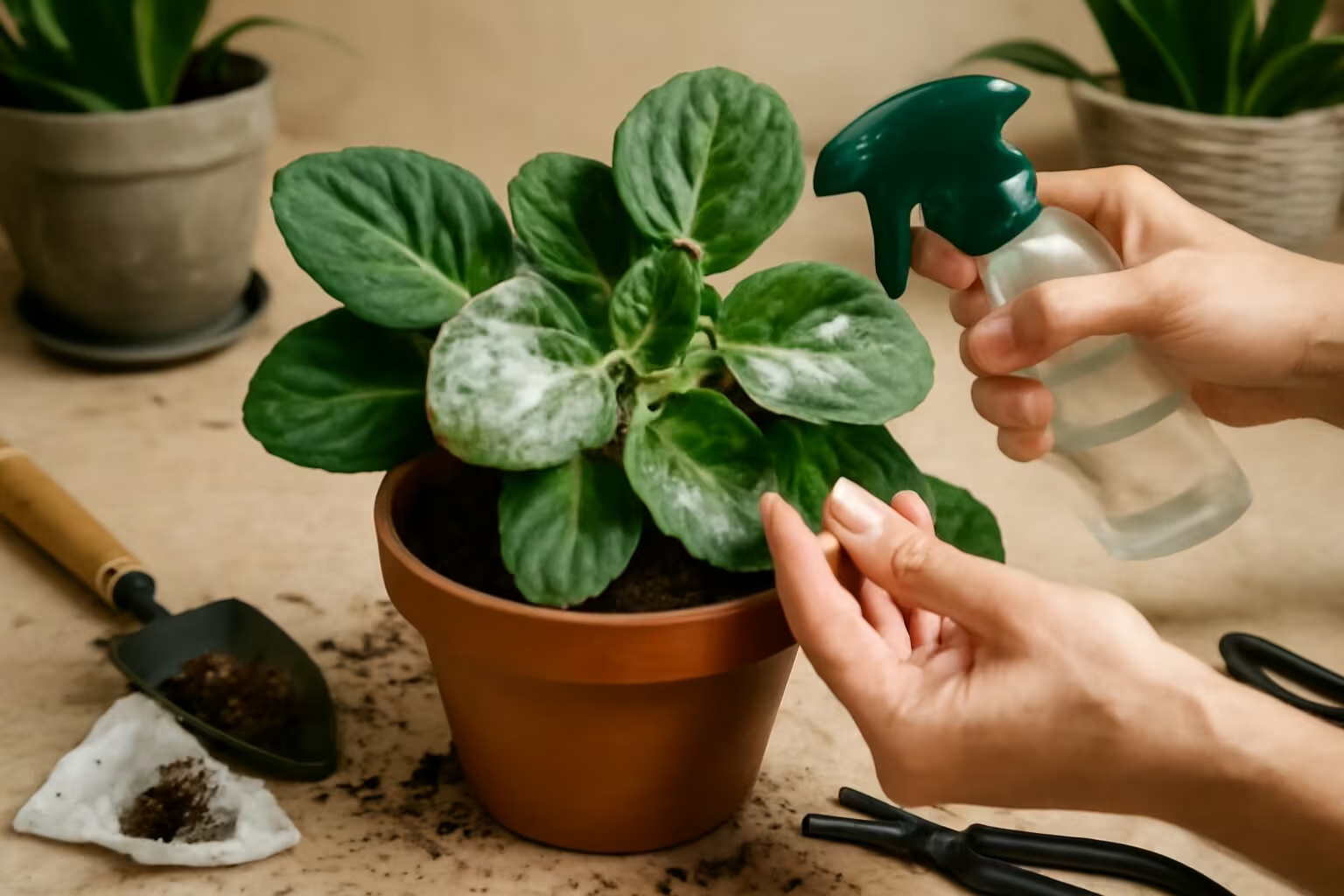
Houseplants are a beautiful addition to any home, but they can face several challenges in terms of health. One of the most common problems that plant owners encounter is plant diseases and fungal infections. These issues can quickly spread, affecting not just the plant in question, but also your other beloved greenery. However, with a bit of knowledge and preventive care, you can protect your houseplants from these common problems and ensure they thrive in your home.
In this article, we’ll cover the most common plant diseases and fungi that affect houseplants, how to recognize them, and what you can do to treat and prevent these issues.
Common Plant Diseases and Fungal Infections
1. Powdery Mildew
Powdery mildew is a fungal disease that appears as white, powdery spots on the leaves, stems, and buds of houseplants. This fungal infection thrives in dry, warm environments with poor air circulation. It can affect a wide range of plants, including roses, violets, and tomatoes.
Symptoms:
- White, powdery spots on leaves, stems, and flowers.
- Yellowing of the affected leaves.
- Leaves may begin to curl or distort.
Treatment:
- Remove affected areas: Prune and dispose of any infected leaves or stems to prevent the spread of spores.
- Increase air circulation: Improve the airflow around your plant by moving it to a less crowded spot or using a fan.
- Fungicide: Use an organic fungicide, such as neem oil, to treat powdery mildew. Apply it according to the product’s instructions.
- Watering adjustments: Avoid overhead watering, as moisture on the leaves can encourage fungal growth.
Prevention:
- Space plants out to improve airflow.
- Water plants from the bottom or with a drip system to keep the leaves dry.
- Regularly clean your plants by wiping down their leaves with a damp cloth to remove dust and potential fungal spores.
2. Root Rot
Root rot is caused by overwatering or poorly draining soil, which leads to the roots becoming waterlogged and oxygen-starved. This condition is most often caused by fungi like Phytophthora or Pythium, which thrive in overly moist conditions.
Symptoms:
- Wilting or yellowing leaves, despite regular watering.
- Brown, mushy roots that may have a foul odor.
- Soft, decaying stems.
Treatment:
- Check the roots: If you suspect root rot, remove the plant from its pot and examine the roots. Trim away any dark, mushy roots with sterilized scissors.
- Repot in fresh soil: After trimming the affected roots, repot the plant in fresh, well-draining soil. Ensure the new pot has drainage holes to prevent future waterlogging.
- Adjust watering practices: Water only when the top few inches of soil feel dry. Make sure the plant is not sitting in standing water.
Prevention:
- Use a well-draining potting mix to ensure water does not accumulate around the roots.
- Avoid watering on a set schedule and instead check the soil moisture before watering.
- Ensure the pot has proper drainage and that excess water can escape.
3. Fungal Leaf Spot
Fungal leaf spot causes circular, brown, or black spots on plant leaves. This condition can affect many houseplants, including ferns, palms, and peace lilies. It typically occurs when leaves are wet for extended periods, making them more susceptible to fungal infections.
Symptoms:
- Small, round or irregular spots that are often brown or black in color.
- A yellow halo surrounding the spots.
- Affected leaves may eventually drop.
Treatment:
- Remove infected leaves: Prune away any leaves showing signs of fungal spots to prevent the spread of the infection.
- Fungicide application: Use a fungicide or an organic solution like neem oil to treat fungal leaf spots. Apply it directly to the leaves, ensuring full coverage.
- Water management: Avoid overhead watering and water early in the day to give the plants time to dry before nightfall.
Prevention:
- Avoid crowding your plants, which can limit air circulation and increase humidity around the leaves.
- Water plants at the base, keeping the leaves dry.
- Disinfect gardening tools regularly to prevent cross-contamination between plants.
4. Leaf Curl (Caused by Fungal or Viral Infections)
Leaf curl can be caused by both fungal and viral infections. While the causes vary, the symptoms typically include curled or deformed leaves that may also exhibit discoloration. This can affect various plants, including tomatoes, peppers, and houseplants like azaleas and cyclamen.
Symptoms:
- Curled, distorted leaves.
- Yellowing or browning of the leaf edges.
- Reduced growth and vigor of the plant.
Treatment:
- Remove affected leaves: Cut away infected leaves to help reduce the spread of the virus or fungal spores.
- Fungicides or antiviral treatments: Use a fungicide to treat fungal leaf curl. Unfortunately, there is no known treatment for viral leaf curl, so it may be necessary to remove the plant entirely if the infection is severe.
- Sanitize gardening tools: Disinfect tools to prevent the spread of disease when working with multiple plants.
Prevention:
- Ensure that plants are not overcrowded to improve airflow and reduce humidity.
- Avoid overhead watering, and make sure the plants are in an environment with good light and air circulation.
- Consider using disease-resistant varieties if available.
5. Mealybugs and Aphids (Pests that Spread Fungal Infections)
Mealybugs and aphids are common pests that can transmit fungal diseases to your plants. These pests often appear as tiny, soft-bodied insects and can be found on the undersides of leaves or in new growth.
Symptoms:
- Sticky residue or “honeydew” on leaves and surrounding surfaces.
- Yellowing, curling, or distorted leaves.
- Visible small white or green insects on the plant.
Treatment:
- Remove pests manually: Wipe away visible pests with a cotton swab dipped in rubbing alcohol or soapy water.
- Insecticidal soap: Apply insecticidal soap to affected plants to kill mealybugs and aphids. Neem oil can also be effective.
- Introduce beneficial insects: Ladybugs and lacewings are natural predators of aphids and mealybugs. Consider releasing them to help control pests.
Prevention:
- Regularly inspect your plants for pests and disease signs.
- Quarantine new plants before introducing them to your home to avoid bringing in pests.
- Keep your plants healthy, as strong plants are less susceptible to pest infestations.
General Plant Care Tips to Prevent Diseases and Fungal Infections
While specific treatments are important, the best way to avoid plant diseases and fungi is through proper care. Here are some general tips to help keep your houseplants healthy and disease-free:
1. Maintain Proper Lighting
Most houseplants require bright, indirect light. Insufficient light can weaken the plant’s immune system, making it more susceptible to disease and pests. Make sure your plants receive the right amount of light based on their specific needs.
2. Water Wisely
Overwatering is one of the leading causes of plant diseases, especially fungal infections and root rot. Water your plants only when the top layer of soil feels dry. Always ensure that excess water can drain out of the pot.
3. Improve Air Circulation
Adequate air circulation reduces humidity and helps prevent the development of mold, mildew, and other fungal problems. Avoid placing plants in overcrowded conditions and consider using a fan to improve airflow in humid rooms.
4. Keep Your Plants Clean
Dust and debris can trap moisture on the leaves, creating an ideal environment for fungal spores. Clean the leaves of your plants regularly with a damp cloth to remove dust and prevent fungal buildup.
5. Choose Disease-Resistant Varieties
When purchasing new plants, look for varieties that are resistant to common diseases and pests. This can significantly reduce the chances of problems arising later.
Conclusion: Prevention is Key
Taking care of your houseplants and addressing diseases or fungal infections early can save your plants and keep them healthy for years. By keeping a close eye on your plants, adjusting watering habits, and maintaining good air circulation, you can prevent most common issues. If you spot a problem early and take swift action, your plants can continue to thrive and add beauty to your home.
By following the tips and treatments outlined in this guide, you’ll be well on your way to maintaining a healthy indoor garden free of diseases and fungi. Happy gardening!