
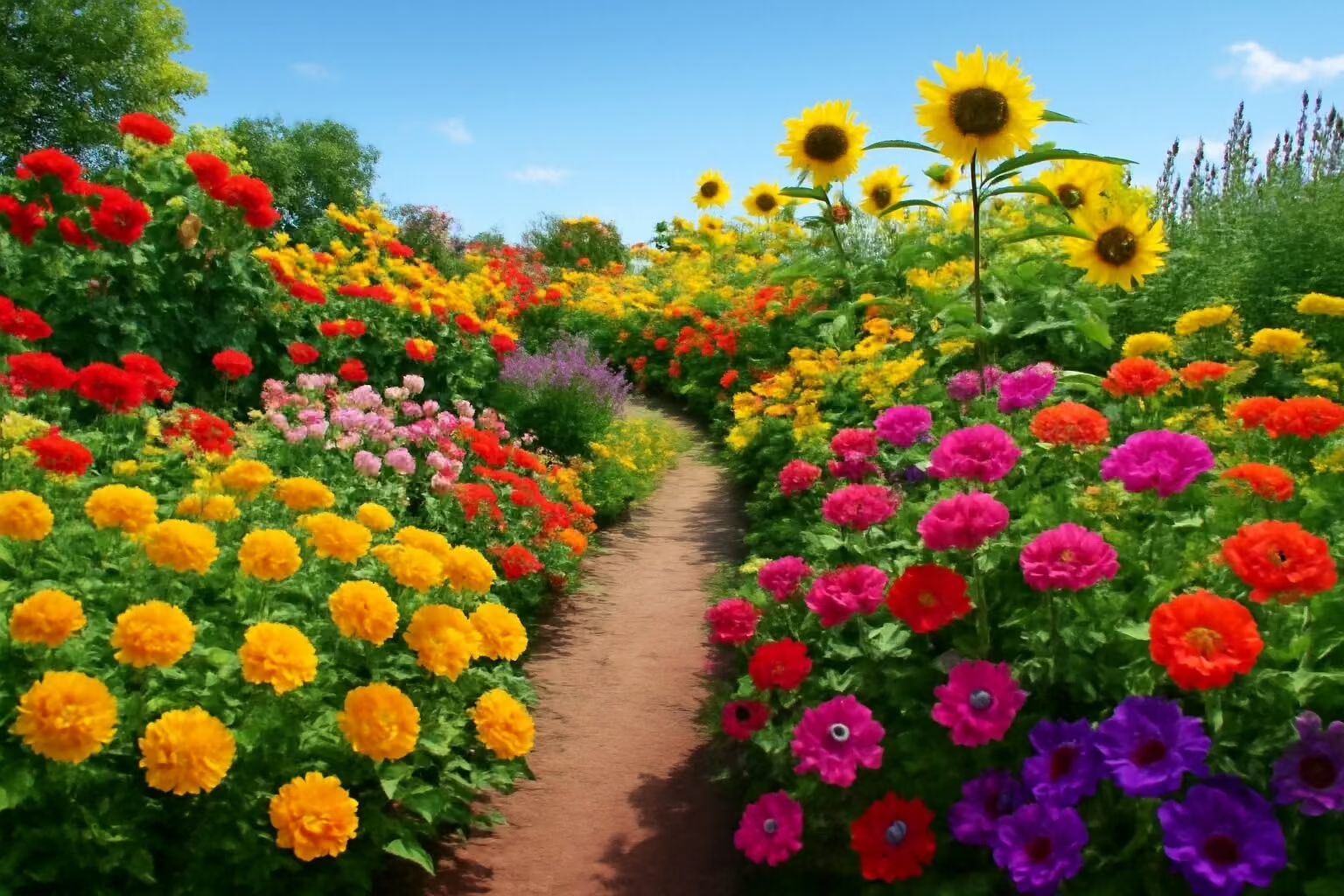
Creating a vibrant and colorful flower garden is a wonderful way to add beauty and life to your outdoor space. Whether you’re working with a large backyard or a small balcony, planting a garden filled with blooming flowers can transform any area into a sanctuary of color and fragrance. In this step-by-step guide, we’ll walk you through the process of planning, planting, and maintaining a garden full of colorful flowers that will flourish and bloom season after season.
Step 1: Plan Your Flower Garden
The first step in creating your colorful garden is to plan it carefully. This will ensure that your flowers are planted in the right conditions and will thrive throughout the seasons.
Choose a Location
Flowers need adequate sunlight to grow, so it’s important to choose a location that gets the right amount of light. Most flowers require at least six hours of direct sunlight per day, but some varieties, like begonias and impatiens, do well in partial shade. Assess your garden space to determine how much sunlight it gets throughout the day and choose your flowers accordingly.
Consider Your Climate
Different flowers thrive in different climates, so it’s essential to choose flowers that are well-suited to the climate in your area. Some flowers, like sunflowers, daisies, and lavender, thrive in hot and sunny climates, while others, like primroses and pansies, prefer cooler weather. Be sure to check the hardiness zone of the plants you’re considering to ensure they will grow successfully in your area.
Design Your Garden Layout
Think about the overall design and layout of your garden. Consider the height, color, and texture of the flowers you want to plant. For a visually appealing garden, mix flowers of different heights and colors to create layers of beauty. Place taller flowers like sunflowers and delphiniums in the back and shorter flowers like marigolds, petunias, and pansies at the front.
You can also use flower beds, containers, or hanging baskets to add more dimension to your garden. Additionally, incorporating pathways or garden ornaments, like statues or birdbaths, can enhance the aesthetic appeal.
Step 2: Select the Right Flowers
Selecting the right flowers is key to creating a colorful garden that blooms beautifully throughout the growing season. Here are some popular flowers to consider for your garden:
Annuals vs. Perennials
- Annuals: These flowers complete their life cycle in one year. They typically bloom all season long and are perfect for filling your garden with vibrant color. Examples include petunias, marigolds, zinnias, and begonias.
- Perennials: These flowers bloom year after year and can provide consistent beauty in your garden. Examples include lavender, daisies, coneflowers, and peonies. While they may not bloom as long as annuals, their return year after year makes them a great investment.
Popular Colorful Flowers
If you’re looking for a variety of colors, consider the following flowers for your garden:
- Roses: Available in almost every color imaginable, roses can add elegance and fragrance to your garden.
- Tulips: These spring-blooming flowers come in a wide range of colors, including red, yellow, purple, and pink.
- Sunflowers: Known for their large, bright yellow petals, sunflowers are perfect for adding a cheerful touch to your garden.
- Lilies: Lilies come in shades of orange, pink, yellow, and white, and their trumpet-shaped blooms are eye-catching.
- Daisies: Simple yet charming, daisies bring brightness and cheer to any garden, with their white petals and yellow centers.
Consider Blooming Seasons
To ensure that your garden is filled with color throughout the year, select flowers that bloom in different seasons. Early spring flowers like crocuses and tulips will give way to summer blooms like daisies and sunflowers. For a fall display, consider planting chrysanthemums or asters, which bloom in late summer and fall.
Step 3: Prepare the Soil
Healthy soil is essential for a thriving flower garden. Before planting, take the time to prepare the soil to ensure your flowers have the best growing conditions.
Test the Soil
Test the soil’s pH and nutrient levels using a simple soil testing kit, which can be purchased at a garden center or online. Most flowers prefer slightly acidic to neutral soil (pH 6.0-7.0), so be sure to amend your soil if necessary.
Amend the Soil
If your soil is heavy clay or too sandy, you may need to amend it to improve drainage and fertility. Add organic matter, such as compost or well-rotted manure, to improve the soil’s structure. This will help retain moisture and provide essential nutrients to your flowers.
Loosen the Soil
Use a garden fork or shovel to loosen the soil to a depth of about 3 to 6 inches. This allows the roots of your flowers to penetrate the soil more easily and helps with water drainage.
Step 4: Plant Your Flowers
Now that your soil is prepared, it’s time to plant your flowers. Follow these steps for successful planting:
Digging the Holes
Dig holes that are deep enough to accommodate the root balls of your flowers. Typically, the hole should be about twice as wide as the root ball and just deep enough to allow the top of the root ball to be level with the surrounding soil.
Planting Annuals
For annual flowers, plant them closely together for a fuller, more colorful display. Be sure to gently separate the roots if the plant is root-bound (i.e., the roots are tangled or circling the bottom of the pot). Place the plant in the hole, fill in the soil around it, and water thoroughly.
Planting Perennials
When planting perennials, space them further apart to give them room to grow. Follow the spacing recommendations on the plant tag to avoid overcrowding. Gently remove the plant from its container, and place it in the hole, making sure the crown of the plant is level with the soil surface.
Watering
Water your newly planted flowers thoroughly to help settle the soil around the roots. Ensure that the water reaches the root zone. For the first few weeks, water regularly to help the plants establish their roots.
Step 5: Maintain Your Flower Garden
Once your flower garden is planted, regular maintenance is essential to keep it looking vibrant and healthy.
Watering
Proper watering is crucial to the health of your flowers. Water deeply, but avoid watering the leaves, as this can promote fungal growth. Water in the morning or early evening to prevent evaporation from the hot sun.
Fertilizing
Flowering plants require nutrients to produce vibrant blooms. Use a balanced fertilizer every 4 to 6 weeks during the growing season to provide essential nutrients. Avoid over-fertilizing, as this can result in excessive leaf growth at the expense of flowers.
Deadheading
Remove spent blooms regularly to encourage the plant to produce more flowers. This process is called deadheading and helps keep the plant looking neat and tidy.
Mulching
Apply a layer of mulch around your plants to retain moisture, suppress weeds, and regulate soil temperature. Organic mulches, such as wood chips or bark, are best for flower gardens.
Pruning
For some perennials, occasional pruning may be necessary to encourage new growth and maintain the plant’s shape. Prune flowers like roses and lavender in early spring before new growth begins.
Step 6: Enjoy Your Colorful Flower Garden
Once your flowers have been planted and well cared for, sit back and enjoy the beauty of your colorful garden. Whether you’re relaxing in your backyard or admiring the blooms from your window, your flower garden will become a beautiful and vibrant part of your home.
Attract Pollinators
To enhance your garden’s ecosystem, consider planting flowers that attract bees, butterflies, and hummingbirds. These pollinators play an important role in your garden’s health and help your flowers thrive.
Conclusion: The Joy of a Colorful Flower Garden
Creating a colorful flower garden is a rewarding and fulfilling experience that can bring life and joy to your outdoor space. With careful planning, proper care, and a little patience, your garden will bloom with vibrant colors and delightful fragrances, making it the perfect place to relax and enjoy nature’s beauty. Whether you’re a beginner or an experienced gardener, the process of planting and tending to a flower garden is an enjoyable and therapeutic way to connect with the earth and create something beautiful. Happy gardening!