
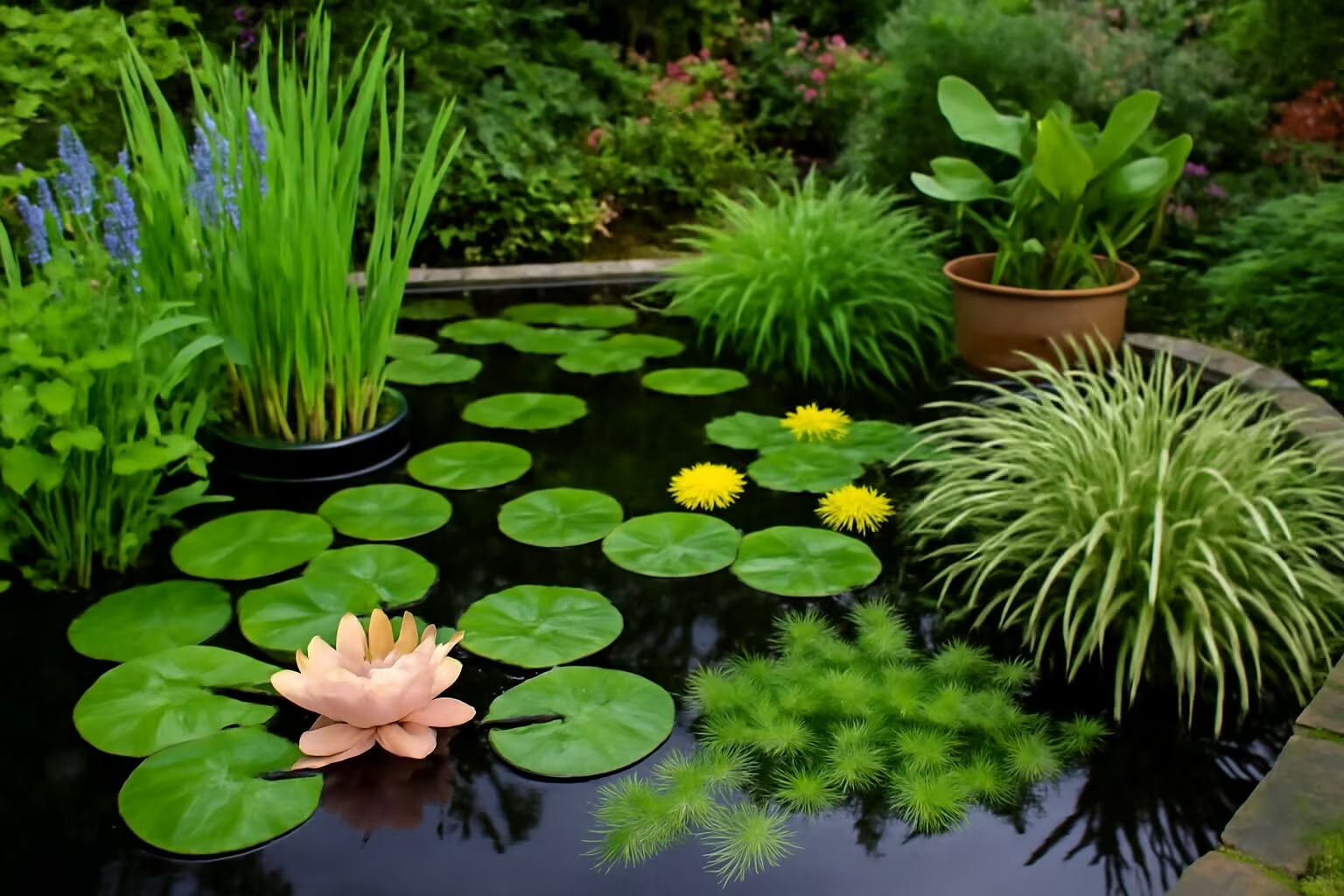
Aquatic plants can transform any garden, adding beauty, tranquility, and even a touch of magic to ponds, fountains, or water gardens. These plants come in a wide variety of shapes, sizes, and colors, offering unique textures and a stunning visual contrast to the surrounding landscape. However, caring for aquatic plants requires a different set of skills than caring for terrestrial plants. In this guide, we will walk you through the best practices for choosing, planting, and maintaining aquatic plants in your garden to ensure they thrive in their watery environment.
Step 1: Understanding Aquatic Plants
Before diving into the care and maintenance of aquatic plants, it’s important to understand the different types of aquatic plants and how they function in a water garden.
Types of Aquatic Plants
Aquatic plants can be classified into three primary categories:
- Submerged Plants (Oxygenators)
These plants grow fully underwater, with their roots anchored in the soil at the bottom of the pond. Submerged plants are essential for oxygenating the water, which supports healthy fish and other aquatic life. Popular submerged plants include anacharis, elodea, and hornwort. - Floating Plants
Floating plants float freely on the water’s surface and are not rooted in the soil. These plants help control algae growth by shading the water, thereby reducing the amount of sunlight that reaches algae. Common floating plants include water lilies, duckweed, and water hyacinth. - Marginal Plants (Emergent Plants)
These plants grow along the edges of the pond or water garden, with their roots submerged in water but their stems and leaves growing above the waterline. They add vertical interest and beauty to the garden. Examples of marginal plants include cattails, iris, and japanese water iris.
Each type of plant plays a unique role in your water garden, from oxygenating the water to providing food and shelter for aquatic creatures.
Step 2: Choosing the Right Aquatic Plants for Your Garden
When selecting aquatic plants for your garden, it’s important to consider several factors, such as the size of your pond, the climate in your area, and the aesthetic you want to create. Here are some key considerations:
Climate Considerations
Aquatic plants are sensitive to temperature, so it’s crucial to select plants that will thrive in your local climate. If you live in a region with cold winters, you may need to choose hardy aquatic plants that can survive freezing temperatures. Some hardy plants, such as water lilies and lotus, will die back in the winter but regrow in the spring. If you live in warmer climates, tropical plants like water hyacinth or lotus will provide lush, vibrant foliage throughout the growing season.
Pond Size
The size of your pond or water garden will also influence the types of plants you can choose. For smaller ponds, choose compact plants like water forget-me-not or water lettuce. For larger ponds, you can select a broader variety of plants, including larger floating plants and submerged oxygenators.
Aesthetic Considerations
Think about the color, texture, and height of the plants you want in your garden. For example, water lilies come in a range of colors from white to pink to red, while the tall, grassy appearance of cattails adds an interesting vertical dimension to your pond. Layering different types of plants can create depth and visual interest.
Step 3: Planting Aquatic Plants
Planting aquatic plants properly is essential for their health and growth. Here’s a step-by-step guide for planting aquatic plants in your water garden:
Preparing the Planting Area
If you’re planting submerged or marginal plants, make sure your pond has a layer of clean, nutrient-rich soil at the bottom. If your pond has poor soil, you may need to add aquatic planting media, such as aquatic soil or clay-based soil, to encourage healthy root development.
Choosing the Right Containers
While submerged plants grow directly in the soil of the pond, most floating and marginal plants need to be placed in containers. This helps control their growth and prevents them from overtaking your pond. Use plastic or ceramic containers with drainage holes to prevent waterlogging. Be sure to place a layer of gravel or aquatic soil in the bottom of the container before adding the plants.
Planting Procedure
- For submerged plants, gently place the plant’s roots into the soil at the bottom of the pond. Ensure that the plant is fully submerged and that the roots are securely anchored.
- For marginal plants, place them in containers and fill the containers with aquatic planting soil. Position the containers at the edge of the pond where the plants will be partially submerged.
- For floating plants, simply place them on the surface of the water. Ensure that they have enough space to spread out but not too much space that they overcrowd the pond.
Water Depth
It’s important to plant each aquatic plant at the correct water depth. Plants like water lilies need to be placed in deeper water, while plants like water lettuce prefer shallow water. Check the planting instructions on each plant’s label to determine the proper depth.
Step 4: Maintaining Aquatic Plants
Once your aquatic plants are planted, proper maintenance is essential for keeping them healthy and vibrant throughout the year.
Water Quality
Aquatic plants need clean, well-balanced water to thrive. Avoid using tap water, which may contain chlorine or other chemicals harmful to plants. If you must use tap water, let it sit for 24 hours to allow chlorine to dissipate. Regularly check the water’s pH levels and keep them in the ideal range (usually between 6.5 and 7.5 for most aquatic plants).
Fertilizing Aquatic Plants
Aquatic plants need nutrients to grow, but you must be cautious about over-fertilizing. Too much fertilizer can cause algae growth, which can be detrimental to the health of your pond. Use aquatic plant fertilizer tablets or slow-release fertilizers designed for use in water gardens. Follow the instructions carefully and only fertilize during the growing season (spring through summer).
Pruning and Deadheading
To keep your aquatic plants healthy and looking neat, regularly prune dead or damaged leaves. This helps prevent the spread of disease and encourages new growth. For floating plants, you may need to trim them back to prevent overcrowding. Removing spent flowers or seed heads from plants like water lilies also encourages more blooms.
Controlling Algae Growth
While algae are a natural part of any aquatic environment, excessive algae growth can be harmful to your plants. To control algae, ensure that your pond isn’t receiving too much sunlight. You can also introduce natural algae-eating creatures like snails, fish, or certain species of water beetles. In extreme cases, you may need to use an algae control product, but be sure to choose one that is safe for plants and animals.
Winter Care for Aquatic Plants
In colder climates, many aquatic plants will die back in the winter. Before freezing temperatures set in, remove tropical plants from the pond and place them in a container of water indoors. Hardy plants like water lilies can be left in the pond, but you may need to trim them back and cover the pond with a net to protect them from debris and animals.
Step 5: Troubleshooting Common Issues
Even with the best care, aquatic plants can sometimes experience problems. Here are a few common issues and how to address them:
Yellowing Leaves
Yellowing leaves can be a sign of poor water quality or nutrient deficiencies. Check the pH and nutrient levels of the water and adjust them as necessary. If the yellowing persists, remove the affected leaves to improve the plant’s overall health.
Plant Overgrowth
If a plant becomes too large for its container or begins to overtake the pond, trim it back to prevent overcrowding. Some aquatic plants, like water hyacinth or duckweed, can spread quickly, so regular pruning is necessary to maintain balance.
Root Rot
Root rot is often caused by stagnant water or poor drainage in containers. Ensure that the plant containers have proper drainage and that the water is circulating well in your pond. If you notice root rot, remove the affected plant, trim back any rotting roots, and replant in fresh soil.
Step 6: Enjoy Your Water Garden
With the right care and attention, your aquatic plants will thrive and add a beautiful, serene element to your garden. Whether you’re enjoying the blooms of water lilies, the soothing movement of water plants, or the vibrant green of submerged plants, your water garden will become a peaceful oasis that enhances the beauty of your landscape.
Creating and maintaining a water garden with aquatic plants requires dedication, but the rewards are well worth the effort. Not only will you enjoy a stunning visual display, but you’ll also create a healthy environment for aquatic life and a tranquil space for relaxation.