
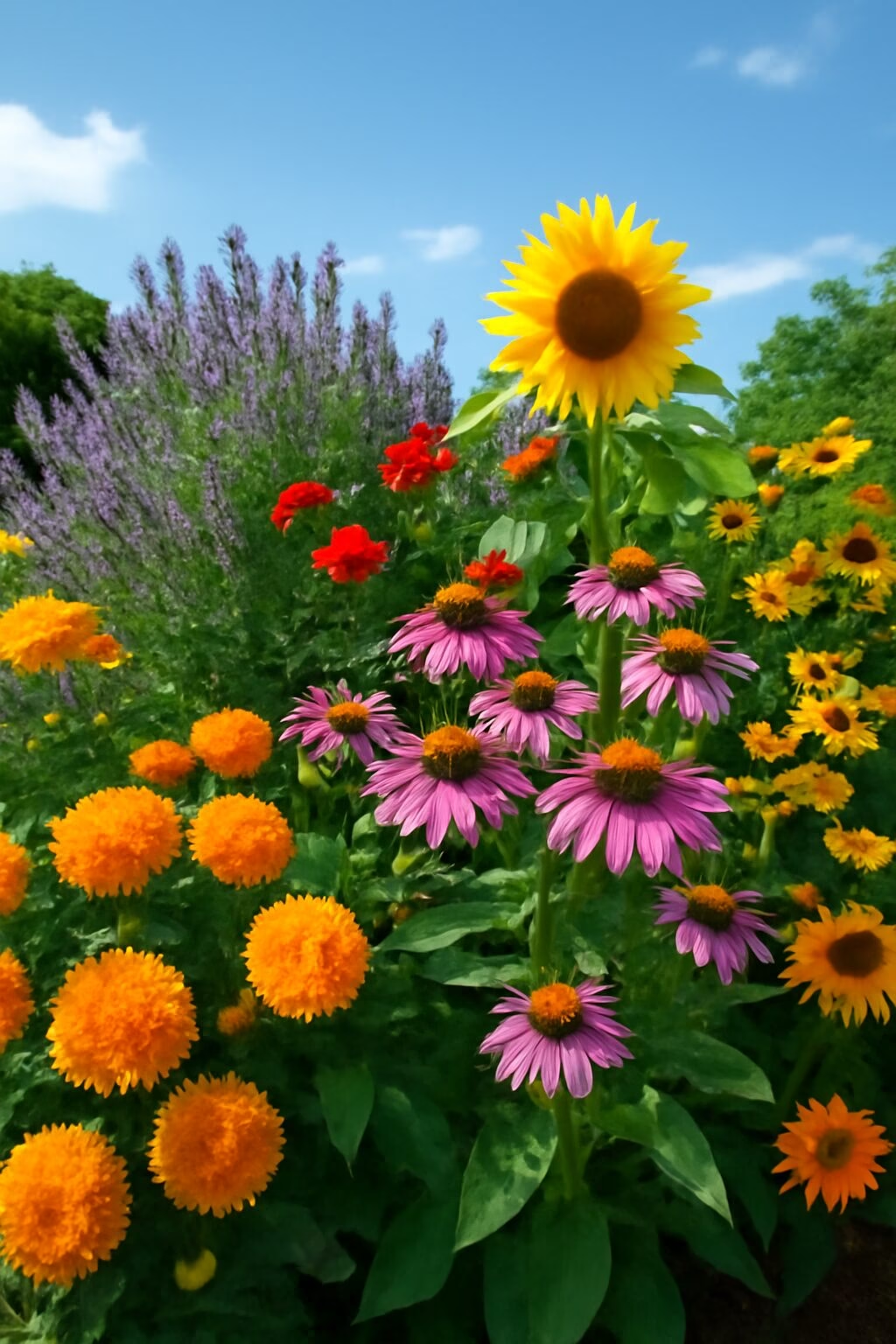
When it comes to gardening, sun-loving plants are a fantastic option for brightening up your garden and creating vibrant, flourishing landscapes. Whether you’re working with a full sun garden, a sunny balcony, or simply want to add more color to your space, sun-loving plants can provide stunning results. These plants thrive in direct sunlight, and with proper care, they will reward you with abundant flowers, vibrant foliage, and healthy growth.
In this comprehensive guide, we’ll walk you through the best sun-loving plants, provide care tips, and share some valuable advice to help you create a beautiful garden that thrives in full sun.
1. Understanding Sun-Loving Plants
Before diving into which plants are ideal for sunny spots, it’s important to understand what “sun-loving” means. Sun-loving plants are those that require at least 6 hours of direct sunlight per day to grow optimally. These plants are adapted to withstand the heat and intense sunlight of full sun environments, making them the perfect choice for sun-drenched gardens, patios, and balconies.
These plants often have thicker, waxier leaves, and a structure that helps them retain water and resist sunburn. They tend to have vibrant flowers and lush, hearty foliage, making them an excellent option for those looking to brighten up their spaces.
2. Best Sun-Loving Plants for Your Garden
If you’re planning to fill your garden with vibrant sun-loving plants, here are some of the best options to consider. These plants will thrive in direct sunlight and help create a colorful and dynamic outdoor space.
1. Lavender
Lavender is a beloved sun-loving herb known for its fragrant flowers and silvery-green foliage. It requires at least 6 hours of direct sunlight each day and thrives in well-drained soil. Lavender is perfect for adding a fragrant touch to your garden, and it also attracts pollinators like bees and butterflies.
- Care Tip: Ensure the soil is well-drained, as lavender doesn’t like to sit in moist soil. Water only when the top layer of soil feels dry.
2. Sunflowers
Sunflowers are the ultimate sun-loving plants, known for their towering stalks and large, cheerful yellow flowers. They love the sun and can grow to impressive heights, making them perfect for adding a bold, sunny touch to your garden.
- Care Tip: Sunflowers need plenty of space to grow, so plant them in areas where they won’t be crowded by other plants. Water them regularly but ensure the soil drains well.
3. Geraniums
Geraniums are a popular choice for sun-loving plants because they are easy to grow and produce colorful flowers in shades of red, pink, purple, and white. They are ideal for both garden beds and containers and can handle full sun exposure.
- Care Tip: Keep the soil consistently moist, but not waterlogged. Deadhead spent blooms regularly to encourage more flowers.
4. Marigolds
Marigolds are hardy, colorful annuals that thrive in full sunlight. Their bright yellow, orange, and red flowers make them an attractive addition to any garden. Marigolds also act as natural pest repellents, helping to keep your garden healthier.
- Care Tip: Marigolds prefer well-drained soil and regular watering. Remove dead flowers to promote continuous blooming.
5. Coneflowers (Echinacea)
Coneflowers are perennial plants that thrive in full sun and are perfect for attracting butterflies. These plants produce large, daisy-like flowers in shades of pink, purple, and white. Coneflowers are drought-tolerant and low-maintenance once established.
- Care Tip: Once the flowers have bloomed, remove dead heads to encourage new growth. Coneflowers can tolerate a variety of soil types but prefer well-drained soil.
6. Zinnias
Zinnias are hardy annuals that love the sun and produce bright, colorful blooms in a variety of colors, including pink, orange, red, and yellow. They are perfect for adding a pop of color to any sunny garden bed or container.
- Care Tip: Zinnias thrive in hot, dry conditions, so be sure to plant them in well-drained soil and water them regularly when the soil feels dry.
7. Black-eyed Susans
Black-eyed Susans are known for their golden yellow flowers with dark centers. They’re tough, reliable, and will thrive in full sun, adding a cheerful touch to your garden. These plants are also drought-tolerant and resistant to pests.
- Care Tip: These plants can tolerate poor soil but prefer moderately rich, well-drained soil. Regular deadheading will encourage a second round of blooms.
3. General Care Tips for Sun-Loving Plants
While sun-loving plants are generally hardy, they still require proper care to flourish. Here are some general tips to help your sun-loving plants thrive:
1. Proper Watering
Even sun-loving plants need water, but they are more drought-tolerant than others. It’s essential to water them deeply and infrequently, allowing the soil to dry out between waterings. Overwatering can lead to root rot, so always ensure the soil drains well.
2. Soil Quality
Most sun-loving plants prefer well-drained soil. The soil should be slightly acidic to neutral (pH 6.0-7.0) for optimal growth. Before planting, amend the soil with compost or organic matter to improve drainage and fertility.
3. Mulching
Apply a layer of mulch around your sun-loving plants to help retain moisture, regulate soil temperature, and prevent weeds. Organic mulches, such as bark or straw, are perfect for this task and will slowly break down over time, enriching the soil.
4. Pruning and Deadheading
Pruning and deadheading are essential for maintaining the health and appearance of your sun-loving plants. Regularly remove dead or damaged leaves and flowers to promote new growth and to ensure that the plant’s energy is focused on producing healthy blooms.
5. Fertilizing
Sun-loving plants generally benefit from regular feeding, especially during their growing season. Use a balanced, slow-release fertilizer to provide essential nutrients. However, be careful not to over-fertilize, as this can lead to excessive foliage growth and fewer flowers.
6. Pest and Disease Control
Sun-loving plants are generally less prone to pests and diseases, but it’s still important to monitor them regularly. Look out for common pests like aphids, caterpillars, and spider mites. If you notice any signs of damage, treat them with natural pest control methods such as insecticidal soap or neem oil.
4. Design Tips for Sun-Loving Plants
Now that you’ve chosen the right plants and have a good understanding of how to care for them, it’s time to incorporate them into your garden design. Here are a few tips to create a stunning display of sun-loving plants:
- Layering: Place taller sun-loving plants like sunflowers and coneflowers in the back of garden beds, with shorter plants like marigolds and zinnias in the front. This will create a layered, visually interesting design.
- Color Schemes: Choose plants with complementary or contrasting flower colors to create visual appeal. For example, pairing bright orange marigolds with purple coneflowers can create a striking color combination.
- Mix Perennials and Annuals: While annuals like zinnias and marigolds will bloom all season long, perennials like lavender and black-eyed Susans will come back year after year. Combining both types will create a garden that’s beautiful in every season.
- Containers and Hanging Baskets: If you have limited space, consider planting sun-loving plants in containers or hanging baskets. These can be placed on balconies, patios, or along walkways to create a stunning display.
5. Conclusion: Enjoy Your Sunny Garden
Sun-loving plants are the perfect addition to any garden that receives plenty of sunlight. With the right care, these plants can fill your outdoor spaces with vibrant colors, delightful fragrances, and stunning textures. From the cheerful sunflowers to the aromatic lavender, there’s a wide range of options to suit every garden style and size.
By following the tips outlined in this guide, you’ll be well on your way to creating a beautiful, sun-soaked garden that thrives under the warm rays of the sun. So, get planting, and enjoy the beauty of your sun-loving plants all season long!