
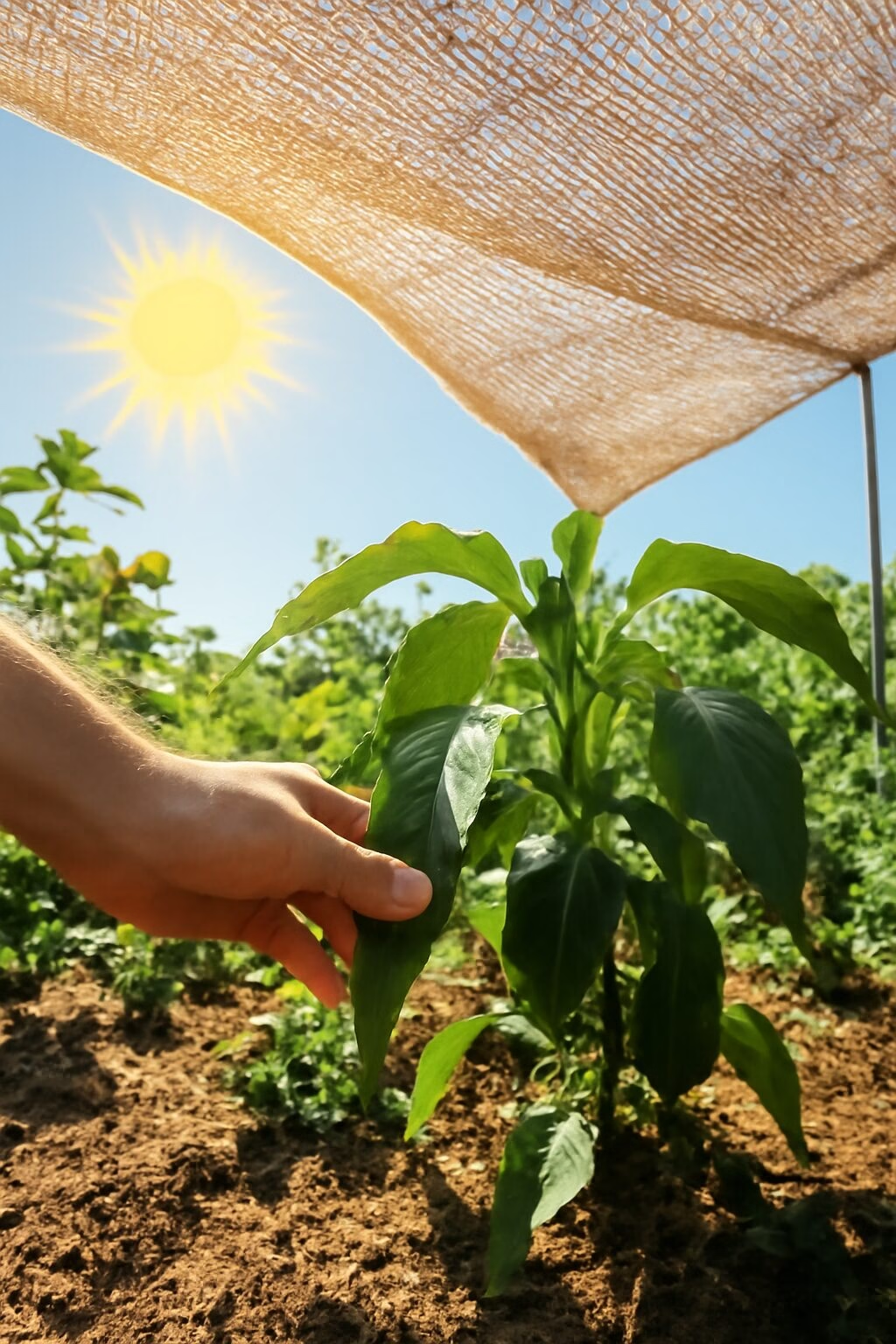
Gardening in hot climates presents its own unique set of challenges. While many plants thrive in sunny, warm environments, extreme heat can quickly become a problem for both new and seasoned gardeners. Prolonged periods of high temperatures can lead to stress, dehydration, and even plant death. However, with the right knowledge and tools, you can protect your plants from excessive heat and ensure they stay healthy, vibrant, and productive.
In this article, we’ll explore practical tips and techniques for protecting your plants in hot climates, including how to manage water, choose heat-tolerant plants, and provide shade when necessary.
1. Understand Your Plant’s Heat Tolerance
The first step in protecting your plants from excessive heat is understanding their specific needs. Not all plants are suited for hot environments, and some may require special care during the hottest months.
Key factors to consider:
- Plant species: Research the plants you’re growing to determine whether they are suited for hot climates. Plants like succulents, cacti, and Mediterranean herbs are generally heat-tolerant, while others, such as leafy greens and some flowers, may struggle in intense heat.
- Heat zones: Different plants thrive in different temperature ranges, so it’s essential to know your USDA hardiness zone or equivalent for your region to ensure the plants you choose will thrive in the heat.
2. Watering: How to Keep Your Plants Hydrated
Water is one of the most critical factors when it comes to gardening in hot climates. In high heat, plants need more frequent watering to avoid dehydration, but it’s essential to water them in the right way to avoid overwatering and root rot.
Tips for effective watering:
- Water early in the morning: Watering in the early morning hours allows the plants to absorb moisture before the sun becomes too hot, reducing water loss due to evaporation. This also helps prevent fungal diseases, which can thrive in the damp conditions of the evening.
- Water deeply and infrequently: Instead of shallow, frequent waterings, aim to water deeply to encourage the roots to grow deeper into the soil. This creates stronger, more drought-resistant plants.
- Use mulch: Apply a layer of organic mulch, such as wood chips, straw, or compost, around your plants to retain soil moisture, keep the roots cool, and reduce evaporation. Mulch also helps suppress weeds, which can compete with your plants for water and nutrients.
- Install an irrigation system: If you live in an area with consistent hot weather, consider installing an irrigation system, such as drip irrigation or soaker hoses, to ensure consistent and efficient watering.
3. Choose Heat-Tolerant Plants
Selecting the right plants is crucial when gardening in hot climates. Some plants are naturally adapted to withstand high temperatures and drought conditions, making them ideal for hot environments.
Examples of heat-tolerant plants:
- Cacti and succulents: These plants store water in their leaves and can tolerate long periods of heat and dryness.
- Herbs: Mediterranean herbs such as rosemary, thyme, oregano, and lavender thrive in hot climates. They require little water once established and are known for their heat tolerance.
- Sunflowers: Known for their ability to handle the sun’s intense rays, sunflowers are not only beautiful but hardy in hot climates.
- Zinnias: These annual flowers are perfect for hot gardens. They thrive in full sun and bloom profusely in warm temperatures.
- Bougainvillea: A vibrant and colorful plant that thrives in hot, sunny environments and adds a tropical touch to any garden.
4. Provide Shade for Sensitive Plants
Some plants, especially those with softer leaves or delicate blooms, may require protection from the intense midday sun. Too much direct sunlight can cause leaf scorch, wilting, and dehydration.
Shade solutions for hot climates:
- Shade cloths: Installing shade cloths over your plants can provide relief from the intense sun. These cloths come in different densities (ranging from 30% to 90%) and can be draped over plants, garden beds, or trellises to reduce heat exposure.
- Garden structures: Consider using trellises, pergolas, or garden arches to create natural shade for plants. Climbing plants like peas, beans, and cucumbers can grow up these structures and provide shade for lower-growing, heat-sensitive plants.
- Use companion planting: Pairing heat-sensitive plants with taller, sun-tolerant plants can provide natural shade. For example, growing lettuce beneath taller plants like tomatoes or sunflowers can help shield the lettuce from the harsh afternoon sun.
5. Protect Your Plants from the Wind
Hot climates often come with dry, hot winds that can further dehydrate plants. Protecting your plants from the wind can help reduce moisture loss and prevent stress.
Ways to protect plants from wind:
- Windbreaks: Planting shrubs or trees as a windbreak can provide shelter for more delicate plants. Tall, dense shrubs, such as boxwood or privet, can reduce wind speed and create a more favorable microclimate for your garden.
- Use screens or fences: Installing fences or mesh screens around your garden can act as a barrier to reduce the impact of strong winds. Make sure these barriers are tall and sturdy enough to block wind without damaging plants.
6. Soil Care: Improve Soil Health in Hot Climates
Soil health plays a significant role in your plants’ ability to survive hot weather. In hot climates, the soil can dry out quickly, leading to poor root health and stunted plant growth.
How to improve soil in hot climates:
- Amend with organic matter: Adding compost or organic matter to the soil can help improve its moisture retention, nutrient levels, and overall structure. Well-amended soil can help your plants better withstand hot and dry conditions.
- Use soil covers: In addition to mulch, consider using soil covers like straw or grass clippings to keep the soil cool and reduce evaporation. This also helps regulate soil temperature and keeps plant roots at a stable temperature.
- Test soil pH: In hot climates, soil pH can become unbalanced, which may affect plant growth. Regularly test your soil’s pH and adjust it with lime (to raise pH) or sulfur (to lower pH) to ensure your plants receive the nutrients they need.
7. Regular Maintenance and Monitoring
The key to a thriving garden in hot climates is ongoing care and attention. Regularly monitor your plants to identify any signs of stress, disease, or dehydration before they become severe.
Maintenance tips:
- Check plants regularly: Inspect plants for signs of wilting, yellowing, or dry leaves. If you notice any of these symptoms, assess their watering needs and environmental conditions.
- Trim dead or damaged leaves: Remove dead or sun-scorched leaves to improve airflow and direct the plant’s energy to healthier growth.
- Fertilize cautiously: While fertilizer can boost growth, over-fertilizing during the hot months can stress plants further. Use a slow-release, balanced fertilizer and avoid fertilizing in extreme heat.
Final Thoughts on Gardening in Hot Climates
Gardening in hot climates may seem like a daunting task, but with the right strategies, you can create a thriving garden that withstands the heat. From choosing heat-tolerant plants and watering effectively to providing shade and protecting against the wind, there are numerous ways to keep your plants healthy even in extreme temperatures.
By understanding the needs of your plants and adjusting your care routine to suit the climate, you can enjoy a flourishing garden year-round, regardless of how hot it gets. Happy gardening!
This article provides practical tips for gardeners living in hot climates, offering insights into how to keep plants healthy and thriving despite the challenges of excessive heat.