
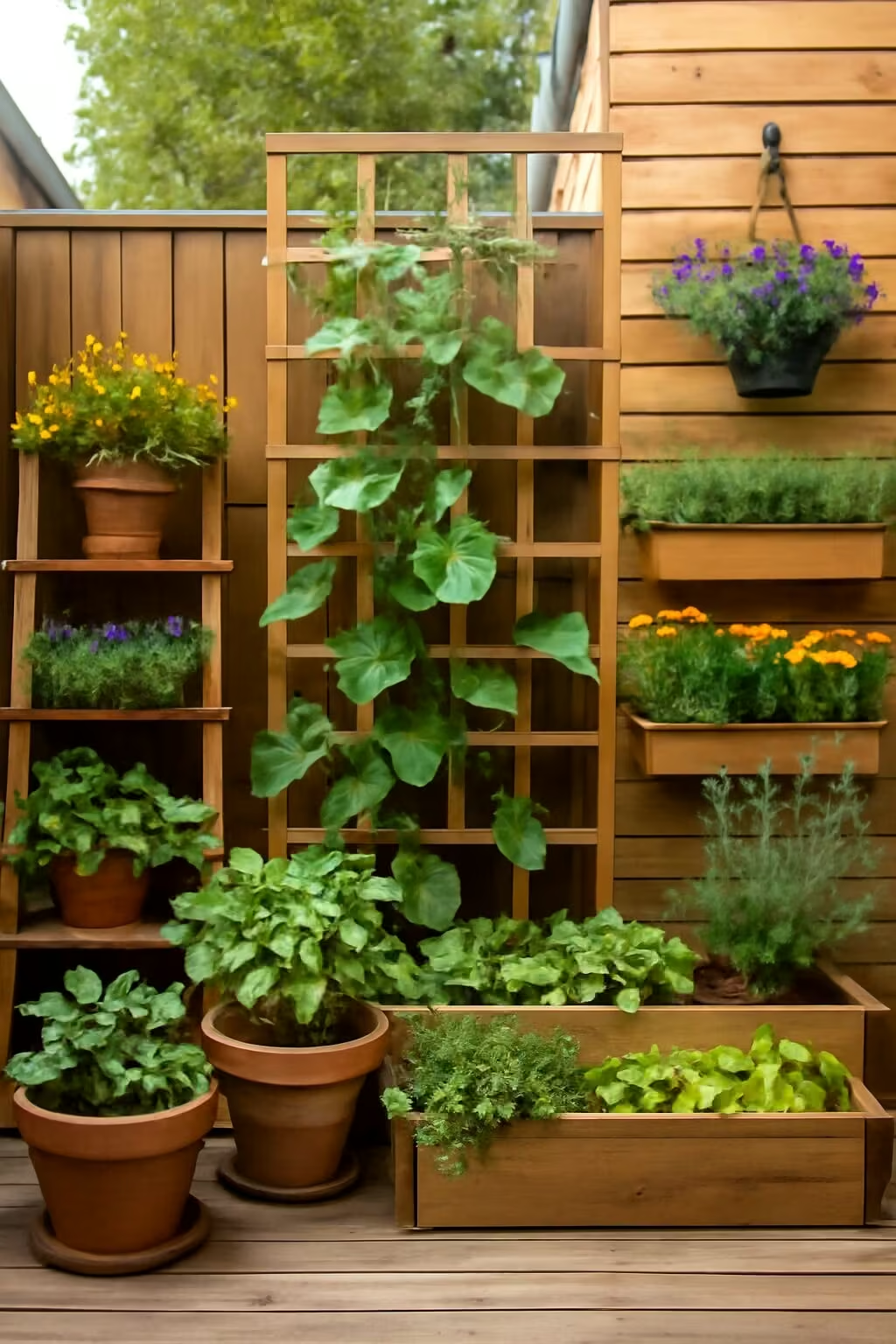
Living in a small space doesn’t mean you can’t enjoy a lush, vibrant garden. Whether you have a tiny balcony, a small patio, or just a limited yard, it is entirely possible to create a thriving garden that maximizes your available space. With some smart planning, creative use of containers, and a few gardening tricks, you can transform your small outdoor area into a green oasis. In this article, we will share useful gardening tips for small spaces, helping you make the most of every inch.
Assessing Your Small Space
Before diving into planting, it’s important to assess the area you have. Understanding the size, shape, and environmental factors of your space will guide you in choosing the best plants and arrangements. Here’s what to consider:
- Sunlight: Determine how much sunlight your space gets. Does it receive full sun (6+ hours), partial sun (3-6 hours), or shade? This will influence the type of plants you can grow. For instance, sun-loving plants like tomatoes or herbs thrive in bright spaces, while ferns and hostas prefer shady areas.
- Space Shape and Layout: Is your space long and narrow, or does it have a more open, square shape? The layout will affect how you arrange your plants and what kind of containers or structures to use.
- Access to Water: Ensure you have easy access to water. Small spaces can dry out faster than larger areas, so having a nearby faucet or using a watering system is essential to keep plants hydrated.
Utilize Vertical Gardening
When space is limited, vertical gardening is a game-changer. By growing plants upward, you can significantly expand your garden without taking up valuable floor space. Here are some vertical gardening ideas:
1. Trellises and Arches
Trellises are perfect for supporting climbing plants like cucumbers, tomatoes, peas, and beans. You can place a trellis against a wall, on a balcony railing, or even use a freestanding one in a small corner. Arches can add a decorative touch while providing extra growing space.
- Best plants for trellises: Pole beans, tomatoes, cucumbers, peas, and sweet peas.
2. Hanging Baskets
Hanging baskets are great for flowers, herbs, and trailing plants. They can be placed on your balcony, porch, or any overhang, saving ground space while adding visual appeal.
- Best plants for hanging baskets: Petunias, strawberries, lobelia, and cascading herbs like thyme or rosemary.
3. Wall-Mounted Planters
Use the walls of your space to install small, wall-mounted planters or pockets. These can be used to grow herbs, small flowers, or even compact vegetables like lettuce.
- Best plants for wall planters: Lettuce, spinach, herbs, and small flowers like pansies or begonias.
4. Railings and Balcony Gardens
If you have a railing, you can install planter boxes along it. These are perfect for growing flowers or vegetables in a confined area. They make use of unused vertical space while adding beauty to your garden.
- Best plants for railing planters: Geraniums, petunias, and cherry tomatoes.
Use Containers and Raised Beds
Container gardening is an excellent way to maximize small spaces. You can place containers in corners, along walls, or even hang them from balconies. Here’s how to make the most out of containers and raised beds:
1. Choose the Right Containers
Opt for containers that fit your available space. Consider using stackable pots, tiered planters, or window boxes. These containers allow you to grow a variety of plants in a smaller area.
- Best plants for containers: Herbs (basil, mint, thyme), flowers (marigolds, pansies), and compact vegetables (radishes, lettuce, spinach).
2. Raised Beds
Raised garden beds can be ideal for small gardens. These beds can be placed on patios or balconies and are perfect for growing vegetables, herbs, or flowers. They help with soil drainage and allow you to grow plants with more control over their environment.
- Best plants for raised beds: Carrots, lettuce, spinach, herbs, and strawberries.
3. Self-Watering Containers
If you have limited time or worry about frequent watering, self-watering containers can be a great solution. These containers have a built-in reservoir that allows plants to absorb water as needed, reducing the frequency of watering.
Maximize Space with Companion Planting
Companion planting is an effective technique that involves planting certain species together to improve growth and pest control. By pairing compatible plants, you can make the most out of your small garden. Here are some examples of companion planting:
1. Herbs and Vegetables
Certain herbs can help protect vegetables from pests, improve flavor, and even increase yield. For example, basil planted near tomatoes can enhance their flavor while keeping pests away. Similarly, chives planted with carrots can help repel aphids and improve the taste of the carrots.
2. Flowers for Pest Control
Planting flowers like marigolds and nasturtiums alongside vegetables helps to attract beneficial insects, such as bees and ladybugs, which can keep harmful pests at bay.
3. Intercropping
This technique involves planting fast-growing crops alongside slow-growing ones. For example, planting radishes with carrots allows you to harvest the radishes early, giving the carrots more space to grow without competing for resources.
Keep It Simple: Choose Low-Maintenance Plants
In a small garden, simplicity is key. You want plants that are easy to care for, require minimal attention, and still look beautiful. Here are some low-maintenance plants ideal for small spaces:
- Succulents: These plants are perfect for small spaces, as they require very little water and thrive in containers.
- Herbs: Many herbs, like basil, thyme, and oregano, are hardy, low-maintenance, and perfect for small gardens.
- Perennials: Flowers like lavender, cone flowers, and daylilies come back year after year, reducing the need for replanting.
- Groundcovers: Plants like clover and creeping thyme can fill empty spaces, reduce the need for mulch, and add greenery without taking up much room.
Use Multi-Purpose Plants
Another trick to maximize your small space is to use multi-purpose plants. These are plants that not only look good but also serve other functions in your garden. For instance:
- Edible flowers like nasturtiums or violets can be used in salads or as garnishes.
- Herbs such as oregano or rosemary can add fragrance to your garden and be used in cooking.
- Strawberries planted in containers or hanging baskets can serve as both decorative and edible plants.
Conclusion: Enjoy Gardening in Small Spaces
Even if you have a small garden or just a balcony, it’s still possible to grow a variety of plants and create a beautiful green space. By using vertical gardening techniques, containers, raised beds, companion planting, and low-maintenance plants, you can make the most of your space. Remember to plan carefully, select plants suited to your environment, and enjoy the process of nurturing your small garden. With these tips, you’ll be able to transform any small space into a thriving oasis.
This article follows Google AdSense’s guidelines, providing original, useful content. Let me know if you need further assistance or would like to move on to the next article!