
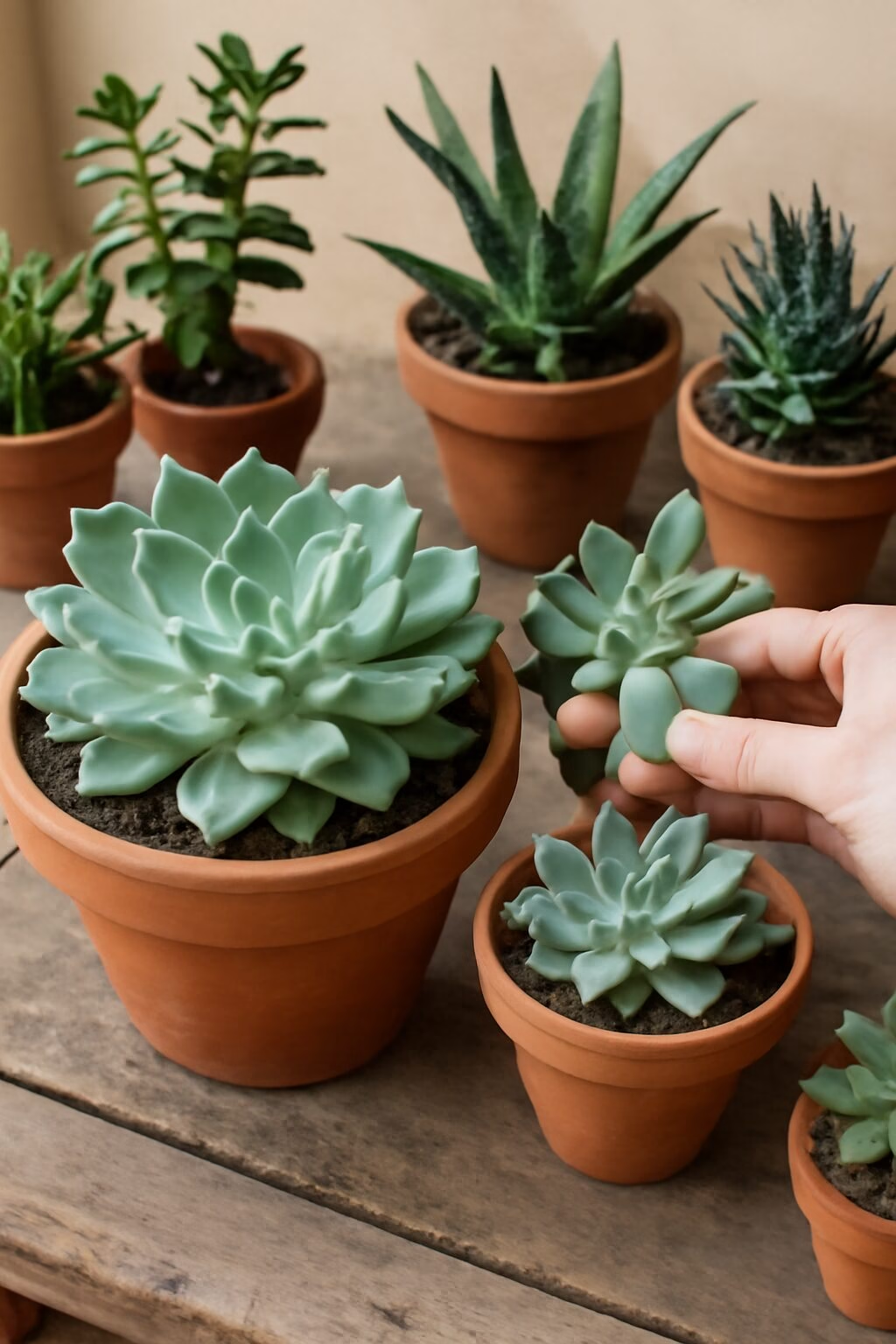
Succulent plants are known for their beauty, unique shapes, and ability to thrive in dry conditions, making them one of the most popular choices for indoor and outdoor gardening. These hardy plants are capable of storing water in their leaves, which allows them to survive in low-water environments. However, while succulents are relatively easy to care for, they still require specific attention to ensure they thrive and grow.
In this article, we’ll share essential tips and guidelines on how to care for succulent plants, covering everything from proper watering to ideal lighting conditions, soil types, and more.
1. Understanding Succulent Plants
Succulents are a diverse group of plants known for their thick, fleshy leaves or stems, which store water. Some common types of succulents include aloe vera, jade plants, echeveria, and sedum. These plants have evolved to survive in arid climates, making them ideal for people who want low-maintenance plants that don’t require frequent watering.
Why succulents are great:
- Low maintenance: Succulents require less water and attention compared to other plants, making them ideal for beginners or busy individuals.
- Versatility: Succulents can be grown indoors in containers or outside in garden beds, depending on the climate.
- Aesthetic appeal: Succulents come in a variety of shapes, colors, and sizes, making them perfect for decorative arrangements, terrariums, or as statement pieces.
2. Ideal Lighting Conditions for Succulents
Succulents are sun-loving plants, and they thrive in bright light. However, understanding the right amount of light and avoiding excessive exposure is crucial for their health.
Optimal lighting conditions:
- Bright, indirect sunlight: Most succulents prefer bright, indirect sunlight. Placing them near a window that receives plenty of light is usually ideal. South-facing windows are particularly great for succulents, as they provide the most consistent sunlight throughout the day.
- Direct sunlight: While succulents can tolerate direct sunlight, especially in the morning, prolonged exposure to harsh midday sun can cause the leaves to burn, resulting in brown or crispy spots. It’s best to gradually acclimate your plants to full sun if they have been growing in lower light conditions.
- Artificial lighting: If you don’t have access to natural light or live in a location with limited sunlight, succulents can also thrive under artificial grow lights. These lights mimic natural sunlight and can be used to supplement natural light in indoor spaces.
3. Watering Succulent Plants
One of the most common mistakes people make with succulents is overwatering. These plants are adapted to survive with minimal water, and excessive moisture can lead to root rot and other problems.
Watering tips for succulents:
- Water thoroughly but infrequently: Succulents prefer deep watering sessions rather than frequent shallow watering. When you water, make sure the water reaches the roots, and allow the excess to drain completely. Avoid letting the plant sit in standing water, as this can lead to root rot.
- Let the soil dry out completely: Before watering again, ensure the soil has dried out completely. A good rule of thumb is to wait until the top 1 to 2 inches of soil is dry to the touch.
- Use well-draining pots: Always use pots with drainage holes to prevent water from accumulating at the bottom. Terracotta pots are an excellent choice for succulents, as they allow moisture to evaporate, helping to prevent overwatering.
- Adjust watering for the seasons: Succulents generally need less water during their dormant periods (typically in the winter) and may require more frequent watering during their active growing season (usually in the spring and summer).
4. Choosing the Right Soil for Succulents
Succulents require well-draining soil to thrive. Without proper drainage, the roots can become waterlogged, leading to fungal diseases and rot.
Best soil for succulents:
- Cactus or succulent soil mix: Specialized soil mixes for cacti and succulents are readily available at garden centers. These mixes contain a combination of sand, perlite, and peat, which ensures good drainage and prevents the soil from retaining too much moisture.
- DIY succulent soil: If you prefer to make your own soil, mix equal parts of potting soil, perlite, and sand. This combination provides the right balance of nutrients, aeration, and drainage.
- Avoid heavy garden soil: Regular garden soil is too dense for succulents and retains too much moisture. It can suffocate the roots and lead to root rot, so it’s best to avoid using it for these plants.
5. Temperature and Humidity Requirements
Succulents are adapted to warm, dry climates, so they prefer temperatures between 60°F to 85°F (15°C to 29°C). While they can tolerate fluctuations in temperature, they should be kept away from freezing temperatures.
Temperature and humidity tips:
- Keep away from cold drafts: Succulents are sensitive to sudden temperature drops and should be kept away from cold windows or doors that let in drafts.
- Avoid high humidity: Succulents prefer low-humidity environments. High humidity can encourage fungal growth and rot. If you live in a humid area, make sure your succulents are in a well-ventilated space, and consider using a dehumidifier if necessary.
- Adjust during winter: During colder months, succulents often go dormant and need less water and light. Reducing watering and moving them to a cooler, less sunny location can help them rest and prepare for the warmer growing season.
6. Fertilizing Succulents
Succulents generally don’t require much fertilizer, but they will benefit from occasional feeding to help them grow stronger and produce vibrant foliage.
Fertilizing tips for succulents:
- Use a diluted, balanced fertilizer: During the active growing season (typically spring and summer), feed your succulents once a month with a diluted liquid fertilizer. Use a balanced, water-soluble fertilizer that is specifically designed for cacti and succulents.
- Avoid fertilizing during dormancy: During the fall and winter, succulents are less active and don’t require feeding. Over-fertilizing during this time can lead to weak growth or even burn the plant.
7. Common Problems with Succulents
While succulents are hardy, they are not immune to issues. Here are some common problems and how to address them:
1. Overwatering: The most common issue with succulents is overwatering. This can lead to yellowing leaves, mushy spots, and root rot. To prevent overwatering, ensure your pots have drainage holes and always allow the soil to dry out between waterings.
2. Etiolation (Leggy Growth): Succulents that don’t receive enough light will stretch out and develop long, weak stems, a condition known as etiolation. To prevent this, make sure your succulent is getting enough sunlight or provide supplemental grow lights.
3. Pests: While succulents are generally pest-resistant, they can still fall victim to mealybugs, aphids, or scale. If you spot any pests, gently wipe them off with a cotton swab dipped in rubbing alcohol or treat the plant with insecticidal soap.
8. Propagating Succulents
One of the joys of caring for succulents is propagating them to create new plants. Many succulents can be propagated from leaves, stems, or offsets.
How to propagate succulents:
- Leaf propagation: Gently twist a healthy leaf from the stem and allow it to dry out for a few days. Once it has calloused, place the leaf on top of well-draining soil and wait for new roots to form.
- Stem propagation: Cut a healthy stem from the parent plant and allow it to dry for a few days. Plant the stem in soil, and it will eventually root and grow into a new plant.
Final Thoughts: Enjoying Your Succulents
Succulent plants are not only low-maintenance but also rewarding to grow. By providing them with the right care, including proper watering, sunlight, soil, and temperature, your succulents will thrive and add beauty to your home or garden. Whether you’re a seasoned gardener or a beginner, these hardy plants are perfect for anyone looking to enjoy the benefits of greenery with minimal effort.
Start with a few easy-care succulents, and watch your collection grow. Happy gardening!
This article provides a comprehensive guide on how to care for succulent plants, offering practical tips on watering, lighting, soil, and common issues that succulent owners may face.