
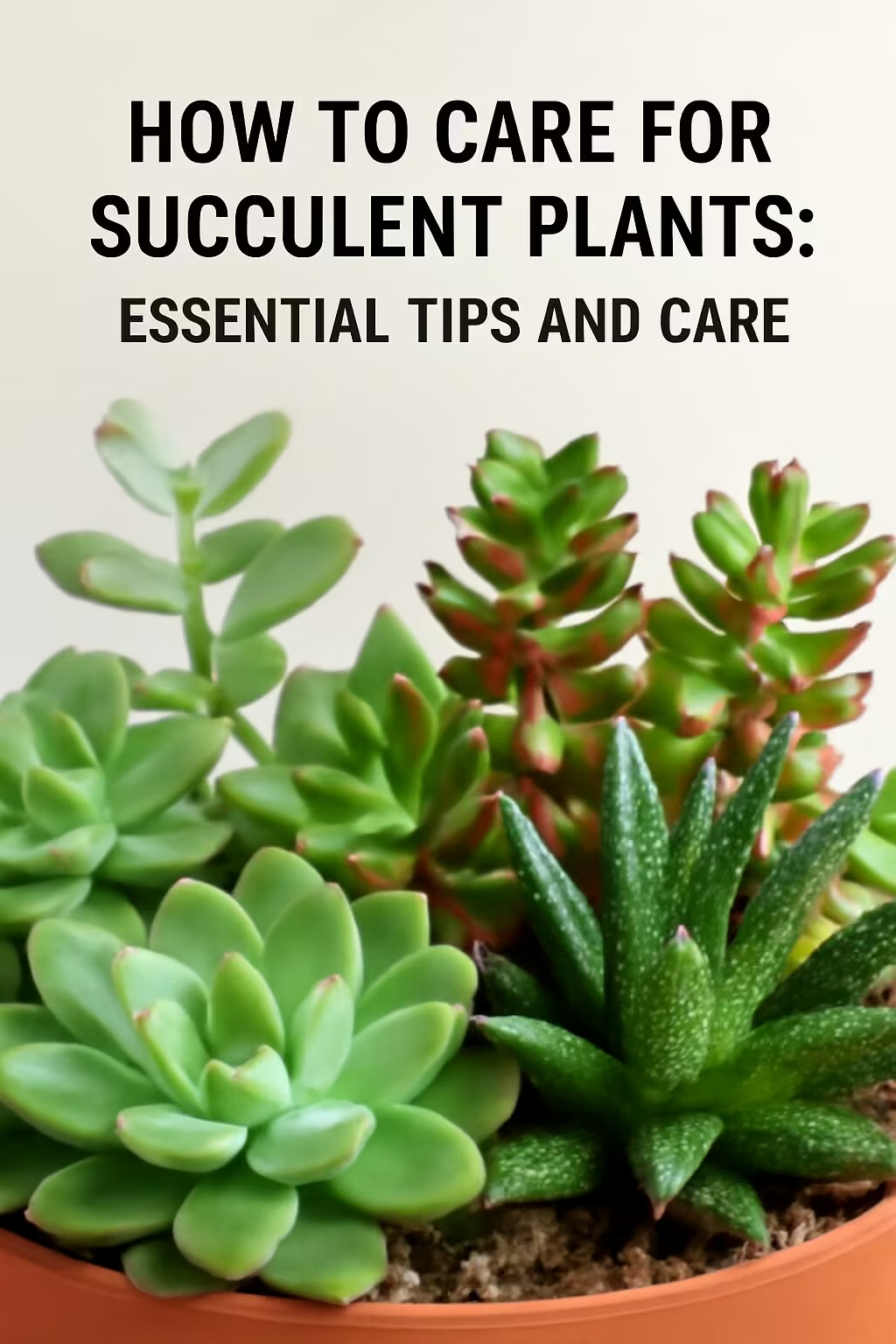
Succulent plants have gained immense popularity due to their beauty, low maintenance, and ability to thrive in a variety of environments. Whether you’re a seasoned gardener or a beginner, succulents are a perfect choice for anyone looking to add a touch of nature to their space. In this article, we’ll explore how to care for succulents, offering essential tips and best practices to ensure these hardy plants thrive in your home or garden.
Understanding Succulents
Succulents are a group of plants known for their thick, fleshy leaves, stems, or roots that store water. This ability to retain moisture allows them to survive in arid conditions, making them ideal for dry climates and indoor environments. Some popular types of succulents include aloe vera, jade plants, echeveria, and sedum.
While they are tough and adaptable, succulents do require some attention and care to keep them healthy. With the right environment, proper watering, and a few other basic tips, you can enjoy beautiful and thriving succulents in your home for years to come.
Choosing the Right Location
One of the most important aspects of succulent care is selecting the right location. Succulents need plenty of sunlight to flourish, so finding a spot that receives at least six hours of indirect sunlight each day is crucial. Here are some tips for choosing the right location:
- Bright windowsills: A south-facing windowsill is ideal as it typically provides the most sunlight.
- Avoid direct sunlight: While succulents need light, too much direct sunlight, especially in hot climates, can lead to sunburn. Place them in a location where they receive indirect but bright light.
- Indoors or outdoors: Succulents can thrive both indoors and outdoors, but they must be protected from extreme temperatures. During the summer, outdoor succulents should be placed in a shaded area to avoid scorching heat. In the winter, bring them indoors if the temperature drops below freezing.
The Right Pot and Soil
The pot and soil you use for your succulents are just as important as their location. Succulents need well-draining soil to prevent root rot, a common problem when these plants are overwatered. Here’s what you should know:
- Choosing a pot: Always choose a pot with drainage holes. This allows excess water to escape and prevents the roots from sitting in water, which can cause them to rot. Terra cotta pots are a popular choice because they are porous and help with evaporation, keeping the soil dry.
- Soil: Succulents require well-draining soil. Cactus or succulent mix is an excellent choice, but you can also mix regular potting soil with sand or perlite to improve drainage. Make sure the soil allows for proper airflow to the roots.
Watering Succulents Properly
Watering is one of the trickiest aspects of succulent care. Overwatering is the most common mistake made by succulent owners, and it often leads to root rot. However, underwatering can also be harmful. Here are some essential tips for watering succulents:
- Watering schedule: Succulents do not need to be watered frequently. During the growing season (spring and summer), water them once every two weeks. In the fall and winter, they enter a dormant period and may only need watering once a month.
- Check the soil: Before watering, check if the soil is completely dry. Insert your finger about an inch into the soil to feel for moisture. If it’s dry, it’s time to water. If it’s still damp, wait a few more days before watering again.
- Water thoroughly: When you do water, make sure to soak the soil evenly. Ensure the water drains out of the bottom of the pot. This prevents the roots from sitting in excess water and helps encourage healthy root growth.
Temperature and Humidity
Succulents prefer warm, dry conditions and thrive in temperatures between 60°F and 85°F (15°C to 30°C). However, they can tolerate cooler temperatures for short periods, as long as they are not exposed to frost. Here are some tips for temperature and humidity care:
- Avoid frost: Succulents are not frost-tolerant and can be damaged by freezing temperatures. If you’re growing them outdoors, bring them inside during the winter or place them in a sheltered area.
- Humidity levels: Succulents prefer low humidity. Avoid placing them in areas where the air is too moist, such as bathrooms or kitchens. Too much humidity can cause the leaves to rot and attract pests.
Fertilizing Succulents
Succulents don’t require much fertilizer, but they will benefit from occasional feeding to help them grow. Here’s what you need to know about fertilizing your plants:
- Use diluted fertilizer: Fertilize succulents during the growing season (spring and summer) using a diluted, balanced fertilizer. A ratio of 10-10-10 is ideal, but avoid fertilizers that are too strong, as this can harm the plant.
- Frequency: Fertilize once a month during the growing season, but avoid fertilizing during the fall and winter when succulents are dormant.
Pruning and Maintenance
Succulent plants are generally low-maintenance, but periodic pruning can help keep them looking their best. Regular maintenance will also prevent overgrowth and encourage healthy growth. Here are some tips:
- Pruning: Remove any dead or damaged leaves, stems, or flowers. This helps the plant focus its energy on healthy growth. Use sterilized scissors or pruning shears to avoid spreading disease.
- Repotting: Succulents don’t need to be repotted frequently, but if they outgrow their pot or the soil becomes compacted, it’s time for a change. Typically, succulents should be repotted every two years. Choose a slightly larger pot and use fresh, well-draining soil.
Common Problems and How to Fix Them
While succulents are relatively low-maintenance, they can still face a few common issues. Here are some problems to watch for and how to address them:
- Yellowing leaves: This often indicates overwatering. If your succulent’s leaves are turning yellow, reduce the frequency of watering and ensure the soil drains well.
- Leggy growth: Succulents that are stretching and becoming leggy may not be getting enough light. Move them to a brighter location and trim any elongated stems to encourage fuller growth.
- Pests: While succulents are generally resistant to pests, they can sometimes attract mealybugs, aphids, or spider mites. Treat any infestations with insecticidal soap or by wiping the affected areas with rubbing alcohol.
Conclusion: Enjoying Your Succulent Garden
With proper care and attention, succulents can thrive in your home or garden, offering years of beauty and enjoyment. Remember to choose the right location, use well-draining soil, water sparingly, and provide adequate light. By following these essential care tips, you can ensure your succulents grow healthy and vibrant, adding a touch of nature to your life. Happy gardening!
This article covers all the essential tips for growing and maintaining succulents, with a focus on the practical aspects of care, common issues, and maintenance practices.