
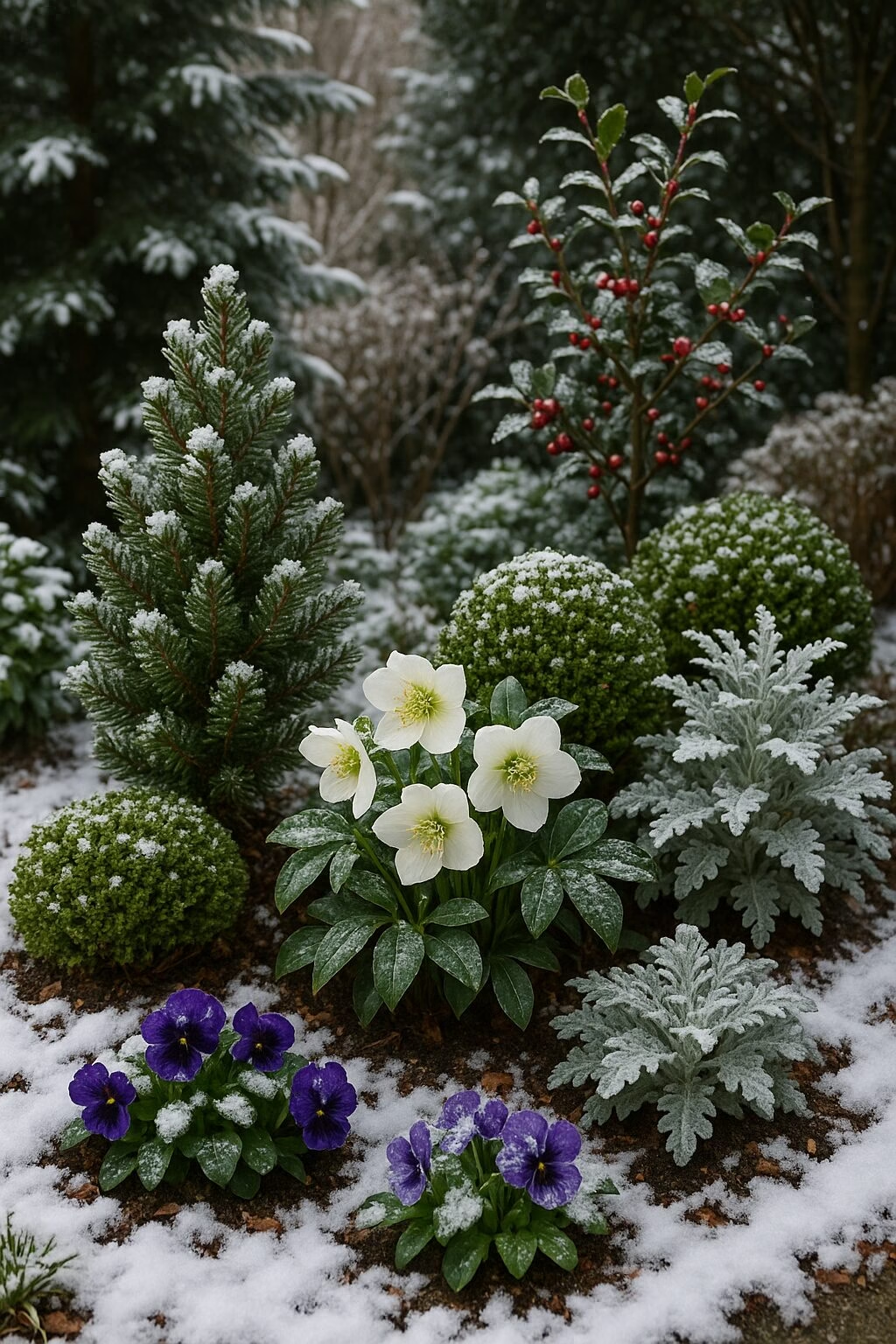
Winter can be a challenging time for gardening, as many plants go dormant and the cold temperatures limit growth. However, having a winter garden can brighten up those chilly days and add a touch of greenery to your home. Choosing the right plants for this season is key to ensuring your garden thrives, even in the colder months.
In this guide, we’ll explore how to select the best plants for your winter garden, considering factors such as hardiness, light requirements, and overall maintenance. With the right plants, your winter garden can flourish and bring warmth and beauty to your home.
Why Create a Winter Garden?
Before we dive into the best plant options, it’s important to understand why creating a winter garden is a great idea. Here are some reasons:
- Adding Greenery During the Cold Months: A winter garden helps keep your home feeling alive and vibrant, even during the coldest months of the year.
- Air Quality: Indoor plants, even in the winter, improve air quality by absorbing toxins and releasing oxygen.
- Aesthetic Appeal: During the gray winter days, greenery can uplift your space, providing a contrast to the often dreary weather outside.
- Low Maintenance: Many winter-friendly plants require less maintenance than summer plants, making them ideal for people who want a more effortless garden during the cold season.
Now that you know the benefits, let’s move on to how to choose the right plants for your winter garden.
1. Consider the Hardiness Zone
When selecting plants for your winter garden, it’s essential to choose species that are suited for your climate’s hardiness zone. Hardiness zones are based on temperature ranges and indicate which plants are most likely to thrive in your area.
- Hardiness Zone Map: Refer to a hardiness zone map for your region to understand which plants will be able to tolerate winter temperatures. You’ll find that some plants are more resistant to frost and cold weather than others.
- Cold-Hardy Plants: Look for plants that are labeled as “cold-hardy” or “frost-tolerant.” These plants are able to survive freezing temperatures and often continue to grow through the winter months.
If you live in a particularly cold area, consider growing plants in pots so you can move them indoors if temperatures drop too low.
2. Look for Evergreens and Conifers
Evergreens and conifers are excellent choices for a winter garden because they maintain their foliage throughout the year. These plants provide structure, texture, and color even when other plants are dormant. Here are some great evergreen and conifer options:
- Pine Trees: Pine trees, such as the Eastern White Pine or Scots Pine, provide beautiful evergreen foliage and can be used in both indoor and outdoor winter gardens.
- Spruce Trees: Spruce trees are hardy and can withstand freezing temperatures. Their sharp, needle-like leaves create a striking contrast against snow and frost.
- Holly Bushes: Holly bushes are classic winter plants, known for their vibrant green leaves and red berries that add a festive touch to your winter garden.
- Boxwood: Boxwood is a low-maintenance evergreen that works well in smaller spaces, such as window boxes or as a hedge in a larger garden.
These plants will provide consistent greenery and make your garden look lively even in the coldest months.
3. Choose Winter-Flowering Plants
Winter doesn’t mean you have to give up on flowers. Many plants bloom in the colder months, offering a splash of color when most flowers are dormant. Here are some of the best winter-flowering plants to consider:
- Winter Jasmine: Known for its bright yellow flowers, winter jasmine blooms in the winter and adds a cheerful pop of color to your garden.
- Camellias: Camellias are winter bloomers with beautiful flowers in shades of white, pink, and red. These plants prefer slightly shaded locations and well-drained soil.
- Pansies: Pansies are hardy annuals that bloom in winter and early spring. They come in a variety of colors, including purple, yellow, and orange, and can withstand frost.
- Hellebores: Also known as the Christmas rose, hellebores are cold-tolerant plants that bloom in winter and add delicate flowers to your garden during the cold months.
These flowering plants can brighten up your winter garden and create a colorful oasis during the dreary months.
4. Opt for Indoor-Friendly Plants
If you don’t have an outdoor space or live in an area with harsh winters, you can still create a beautiful winter garden indoors. Many plants thrive indoors during the winter months and can provide a cozy, green environment. Some excellent indoor plants for winter include:
- Peace Lily: The peace lily is known for its beautiful white flowers and ability to thrive in lower light conditions. It’s also a great air purifier, making it perfect for indoor winter gardens.
- Spider Plant: Spider plants are easy to care for and can tolerate a range of conditions. They produce small white flowers and look lovely in hanging baskets or on shelves.
- Snake Plant: Snake plants are hardy and low-maintenance, making them ideal for the colder months. They do well in low light and can survive long periods without water.
- Aloe Vera: Aloe vera is not only useful for its soothing gel, but it’s also a great indoor plant for winter. It prefers bright, indirect light and is easy to care for.
These indoor-friendly plants are perfect for adding greenery to your home when it’s too cold outside.
5. Consider Plants That Are Low Maintenance
Winter gardens should ideally be low-maintenance, as you may not want to spend a lot of time caring for plants when it’s cold outside. Look for plants that are hardy, drought-tolerant, and require minimal care. Here are some great options:
- Succulents: Succulents like jade plants, echeveria, and sedum are perfect for winter gardens. These plants store water in their leaves, meaning they don’t need to be watered frequently, making them low-maintenance.
- Lavender: Lavender is a hardy herb that can withstand cold temperatures. Its fragrant flowers are great for adding scent to your garden, and it doesn’t require much water once established.
- Creeping Thyme: Creeping thyme is a low-maintenance ground cover plant that thrives in cold weather. It produces small purple flowers and is perfect for filling in spaces between other plants.
These plants are not only easy to care for but can add texture, color, and fragrance to your winter garden.
6. Think About Texture and Structure
A winter garden is all about adding layers of texture and structure to your space. Even if the plants aren’t flowering, the leaves, stems, and bark can provide interest. Consider these plants for added texture:
- Silver Foliage Plants: Plants like lamb’s ears or dusty miller have soft, silver-gray leaves that provide a cool contrast to the green foliage of other plants.
- Ornamental Grasses: Ornamental grasses, such as blue fescue or feather reed grass, provide movement and texture during the winter months. Their plumes add visual interest and attract birds to your garden.
- Bark Plants: Trees like the birch or coral bark maple have distinctive bark that stands out in winter, adding architectural beauty to your garden even when the leaves have fallen.
By incorporating a mix of textures, you’ll create a dynamic winter garden that’s full of interest, even without flowers.
Final Thoughts: Create a Winter Wonderland
Creating a winter garden doesn’t have to be difficult or expensive. By selecting the right plants—whether they’re evergreens, winter flowers, indoor plants, or low-maintenance options—you can bring life and color to your space during the colder months. A winter garden can serve as a peaceful retreat, enhance your home’s beauty, and provide fresh air in the middle of winter.
Plan carefully, choose plants that fit your climate, and enjoy the beauty of nature even in the chill of winter.