
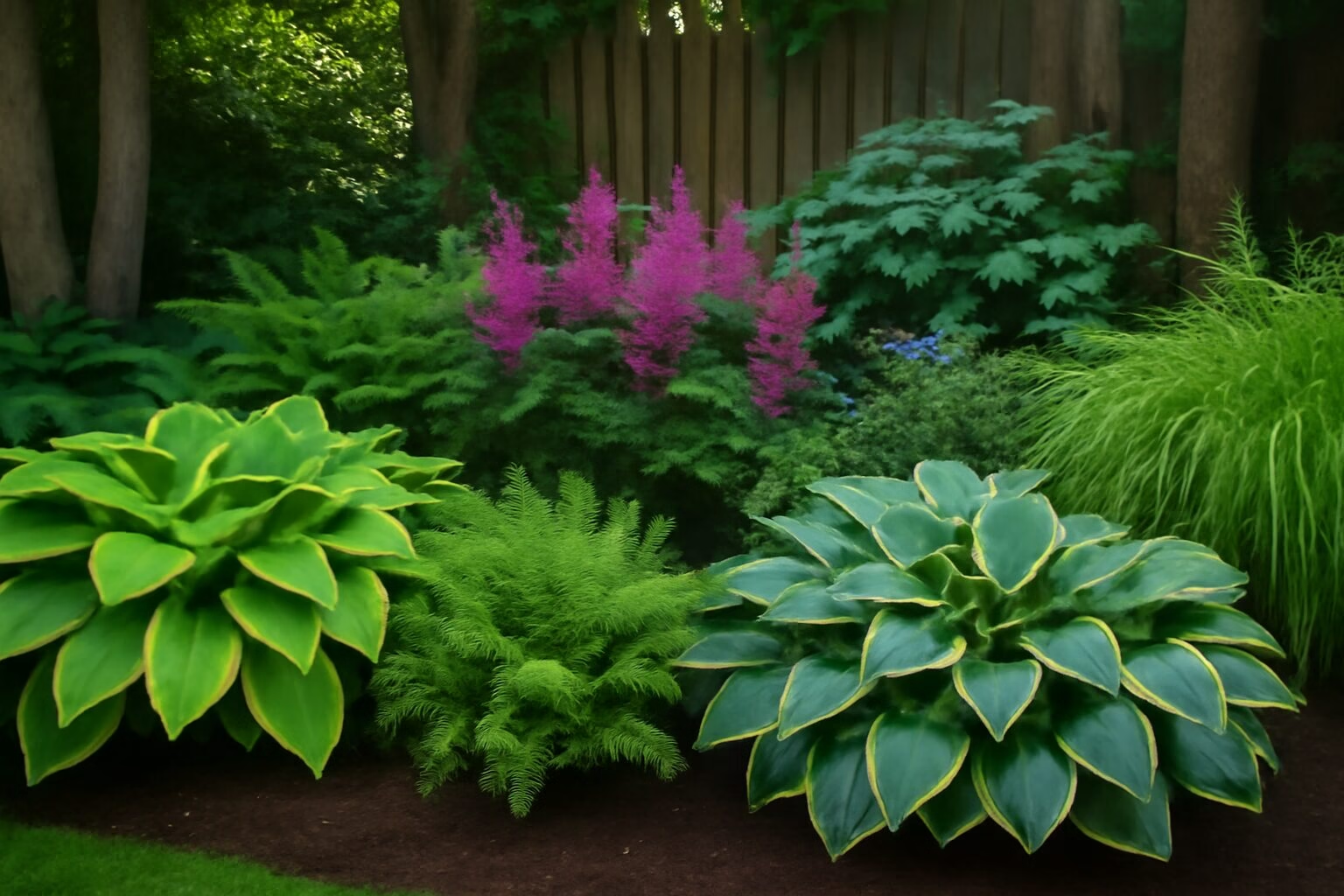
Creating a shaded garden can be a challenge, especially when it comes to choosing the right plants that thrive in low light conditions. However, with the right knowledge and a bit of planning, you can transform your shady space into a lush, vibrant retreat. In this article, we’ll guide you through the process of selecting the perfect plants for your shaded garden, helping you achieve a beautiful, thriving green oasis.
Understanding Your Shade
Before diving into plant selection, it’s essential to understand the type of shade your garden receives. Shade can be categorized into different levels: full shade, partial shade, and dappled or filtered shade. Understanding these distinctions will help you choose the plants that are best suited for your specific conditions.
- Full Shade: Areas that receive little to no direct sunlight for most of the day. This is usually found under thick tree canopies or on the north side of buildings.
- Partial Shade: These areas receive around 3-4 hours of direct sunlight or are shaded for most of the day but get some sun at specific times.
- Dappled or Filtered Shade: This occurs when sunlight filters through tree branches or other structures, creating a patchy, light-dappled environment.
Different plants have varying needs in terms of light, so knowing what kind of shade your garden has will help you make the right plant choices.
Factors to Consider When Choosing Plants
When selecting plants for shaded areas, it’s essential to consider factors like soil type, moisture levels, and the amount of maintenance you’re willing to do. Here are some key points to keep in mind:
1. Soil Conditions
The type of soil in your shaded garden plays a crucial role in determining the types of plants that will thrive. Shaded areas often have different moisture levels, which can impact soil fertility. For example, areas under large trees may have dry, acidic soil, while areas closer to buildings might have more fertile, moist soil. Test the soil in your garden to ensure the plants you choose will adapt well to the conditions.
2. Moisture Levels
Shady spots can vary in moisture content depending on the surrounding environment. Some shaded areas are constantly damp due to poor drainage or nearby water sources, while others may be dry and need regular watering. Choose plants that can tolerate the moisture levels present in your garden. For example, ferns tend to prefer more moisture, while certain types of hostas can tolerate drier conditions.
3. Maintenance Requirements
Some plants for shaded gardens require a lot of upkeep, while others are low-maintenance and easy to care for. Consider how much time you’re willing to dedicate to garden maintenance before making your plant choices. Low-maintenance plants, such as ferns and hostas, are great options for gardeners with limited time.
Best Plants for Full Shade
If your garden is in a location with full shade, you’ll need to select plants that can survive with very little direct sunlight. Here are some excellent options for full shade gardens:
1. Ferns
Ferns are ideal for shady environments because they thrive in moist, cool conditions. Many varieties, like the Japanese Painted Fern and Lady Fern, do well in full shade. Ferns offer a lush, green aesthetic and work well as ground covers or in hanging baskets.
2. Hostas
Hostas are one of the most popular plants for shady gardens. They are hardy, low-maintenance, and come in a variety of sizes, colors, and textures. Hostas are perfect for adding depth and interest to a shaded area and can tolerate both full and partial shade.
3. Astilbes
Astilbes are known for their beautiful feathery flowers and vibrant foliage, making them an excellent choice for shady gardens. These plants can thrive in full shade and are available in a variety of colors, including pink, white, and red.
4. Toad Lilies (Tricyrtis)
Toad lilies are unique plants with orchid-like flowers that bloom in the fall. They are well-suited for full shade and have a graceful, delicate appearance. Toad lilies can be a beautiful addition to your garden, providing color and texture in areas that lack sunlight.
Best Plants for Partial Shade
If your garden receives partial shade, you have more flexibility when it comes to choosing plants. Here are a few plants that do well in areas with 3-4 hours of sunlight a day:
1. Heucheras (Coral Bells)
Heucheras, or coral bells, are known for their striking foliage, which comes in a wide range of colors, from deep purple to vibrant red. These plants thrive in partial shade and add color to your garden even when the flowers aren’t in bloom.
2. Bleeding Heart (Dicentra)
Bleeding hearts are a favorite for shaded gardens. Their unique heart-shaped flowers and graceful, fern-like foliage make them an excellent choice for adding a touch of elegance. They thrive in partial shade and do well in moist, well-drained soil.
3. Brunnera (False Forget-Me-Not)
Brunnera is a charming perennial with small blue flowers that resemble forget-me-nots. This plant does well in partial shade and is perfect for brightening up the edges of shaded gardens or under trees.
4. Japanese Forest Grass (Hakonechloa)
For a touch of texture and movement in your shaded garden, consider Japanese Forest Grass. This plant has arching, delicate leaves that create a soft, flowing appearance, making it perfect for adding dimension and interest to shady spots.
Best Plants for Dappled or Filtered Shade
Dappled or filtered shade is ideal for a wider range of plants because it provides some direct sunlight throughout the day. Here are a few plants that thrive in these conditions:
1. Camellias
Camellias are known for their stunning flowers, which bloom in winter and early spring. These plants thrive in dappled shade, where they receive just enough light to produce vibrant blooms.
2. Woodland Phlox (Phlox divaricata)
Woodland phlox is a perennial that grows well in areas with filtered light. Its fragrant flowers in shades of pink, white, and lavender can add color and texture to your shaded garden.
3. Lungwort (Pulmonaria)
Lungwort is a perennial that’s perfect for shady gardens with filtered sunlight. It features spotted or variegated foliage and blue, pink, or white flowers that bloom in early spring.
4. Solomon’s Seal (Polygonatum)
Solomon’s Seal is a graceful, arching plant that adds elegance to shaded gardens. It’s perfect for areas with dappled or filtered shade and is easy to grow with minimal maintenance.
Design Tips for Your Shaded Garden
When designing your shaded garden, consider using a mix of plants with varying textures, colors, and heights to create a layered effect. Here are a few tips for achieving a well-designed shaded garden:
- Layer Your Plants: Start by planting taller plants in the back and gradually work your way down to shorter plants in the front. This will create a more natural, flowing look.
- Mix Foliage and Flowers: Incorporate both foliage plants, such as hostas and ferns, as well as flowering plants like astilbes and bleeding hearts to add color and interest throughout the year.
- Consider the Seasons: Choose a combination of plants that bloom at different times of the year to ensure your shaded garden looks beautiful year-round.
- Add Texture: Incorporate plants with different textures, such as the soft fronds of ferns, the delicate flowers of toad lilies, and the bold leaves of hostas. This will add depth and dimension to your garden.
Conclusion: Creating a Beautiful Shaded Garden
Choosing the right plants for your shaded garden doesn’t have to be difficult. By understanding the amount of shade your garden receives, considering soil conditions, and selecting plants that thrive in low-light environments, you can create a beautiful and vibrant garden that will be the envy of your neighborhood. Whether you have full shade, partial shade, or dappled light, there are plenty of plants that can thrive and make your shaded garden an oasis of beauty and serenity.
Remember to choose plants based on their light, moisture, and soil requirements, and be sure to consider their maintenance needs to make your gardening experience as enjoyable and stress-free as possible. With the right planning and plant selection, your shaded garden can become a lush retreat that offers beauty and tranquility year-round.