
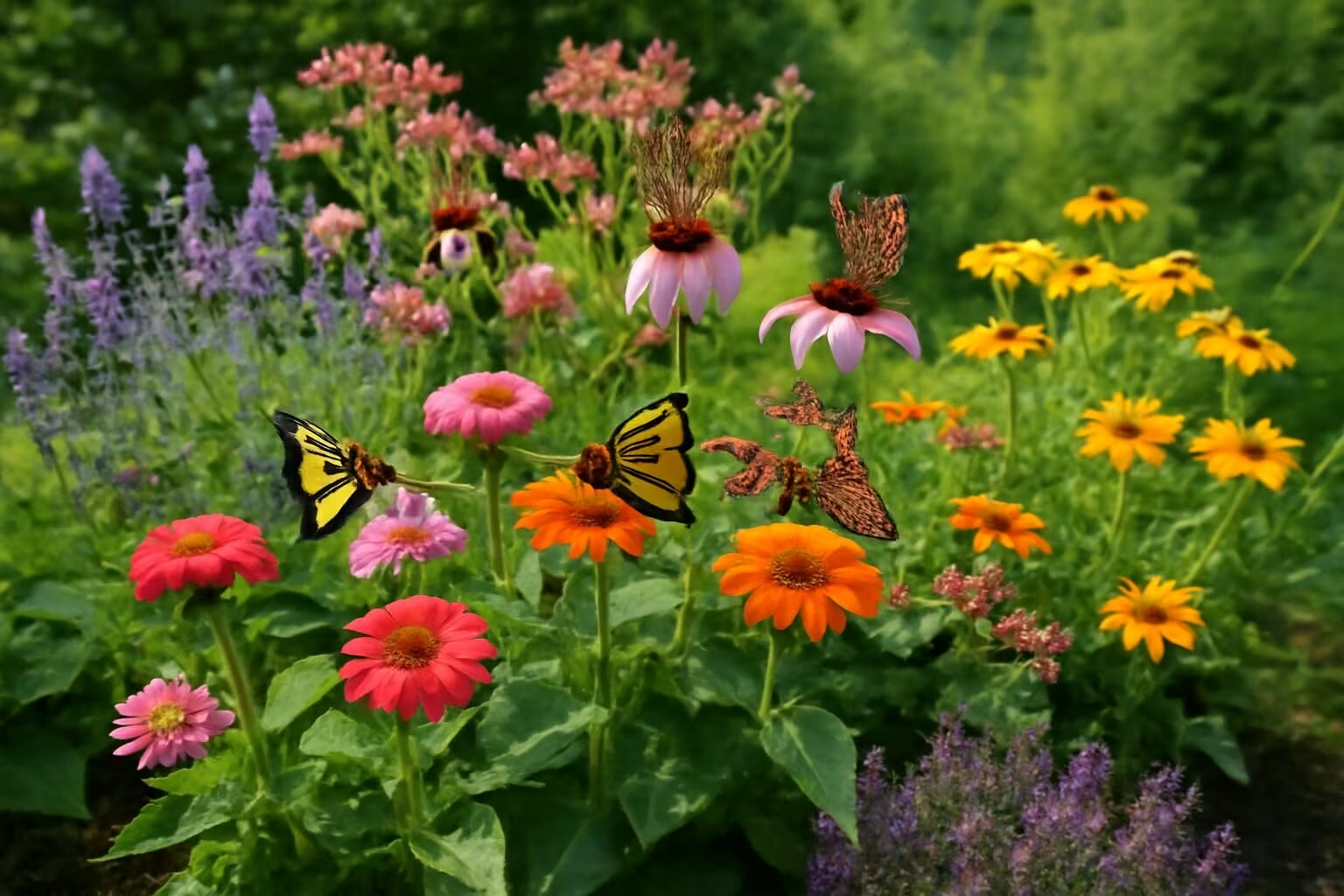
Butterflies are not only beautiful creatures but also important pollinators that contribute to the health of our gardens. A butterfly garden is a perfect way to attract these fascinating insects while creating a vibrant, colorful space in your outdoor area. By choosing the right plants and offering a suitable environment, you can enjoy the sight of butterflies fluttering around your garden throughout the warmer months. In this article, we will guide you on how to create a butterfly-friendly garden and recommend the best plants to attract these magnificent insects.
Why Create a Butterfly Garden?
Before diving into plant selections, it’s important to understand why butterflies are beneficial to your garden. These delicate creatures are essential pollinators, helping to fertilize flowers as they move from one bloom to the next in search of nectar. By attracting butterflies to your garden, you will:
- Promote pollination, which improves the health and yield of your plants.
- Create a peaceful and beautiful environment filled with movement and color.
- Support local ecosystems by providing a habitat for caterpillars and other beneficial insects.
Creating a butterfly garden not only enhances the biodiversity of your garden but also gives you the chance to observe various species of butterflies and caterpillars in action.
Choosing the Right Location for Your Butterfly Garden
The first step in creating a butterfly garden is selecting the right location. Butterflies are cold-blooded creatures, meaning they rely on external heat sources to regulate their body temperature. As a result, it’s crucial to provide a warm, sunny spot for your butterfly garden. Here are some tips for choosing the perfect location:
- Full sunlight: Butterflies love the sun, so pick a spot that gets at least 5-6 hours of sunlight each day. Ideally, the area should have morning sun and afternoon shade, as the afternoon heat can sometimes be too intense.
- Shelter from wind: Choose a spot that is somewhat sheltered from strong winds. Windbreaks like fences, hedges, or buildings can protect butterflies and caterpillars.
- Avoid pesticides: Pesticides can be harmful to butterflies and their larvae, so make sure your garden is free of any harmful chemicals.
Once you’ve chosen the ideal location, you can begin planting flowers and shrubs that will attract butterflies.
Best Plants for a Butterfly Garden
The key to attracting butterflies to your garden is selecting plants that provide nectar and habitat for the insects. Butterflies are particularly drawn to flowers that are brightly colored and have a strong fragrance. Here are some of the best plants for your butterfly garden:
1. Milkweed (Asclepias spp.)
Milkweed is the ultimate butterfly plant, especially for monarch butterflies, which rely on it as their primary food source during their larval stage. These plants produce clusters of fragrant, star-shaped flowers that are irresistible to butterflies. Milkweed also provides a safe place for monarch caterpillars to feed and develop.
- Sun exposure: Full sun
- Soil requirements: Well-drained soil
- Height: 2 to 5 feet
2. Lavender (Lavandula spp.)
Lavender is not only a fragrant herb that attracts butterflies, but it also adds a lovely touch of purple to your garden. The small, tubular flowers produce nectar that is particularly appealing to painted ladies, admirals, and other butterfly species. The plant’s aromatic scent will also help deter pests from your garden.
- Sun exposure: Full sun
- Soil requirements: Well-drained, slightly alkaline soil
- Height: 1 to 3 feet
3. Coneflower (Echinacea spp.)
Coneflowers are perfect for attracting butterflies such as skippers and fritillaries. These daisy-like flowers are large, bright, and offer a bounty of nectar. Coneflowers are also hardy and easy to grow, making them a great choice for beginners.
- Sun exposure: Full sun to partial shade
- Soil requirements: Well-drained soil
- Height: 2 to 5 feet
4. Bee Balm (Monarda spp.)
Bee balm is a highly attractive plant for butterflies, especially the red-spotted purple and tiger swallowtail butterflies. The brightly colored flowers, ranging from red to pink to purple, emit a strong scent that appeals to butterflies and bees alike.
- Sun exposure: Full sun to partial shade
- Soil requirements: Moist, well-drained soil
- Height: 2 to 4 feet
5. Lantana (Lantana camara)
Lantanas are butterfly favorites due to their clusters of small, colorful flowers that bloom throughout the summer and fall. They are particularly effective at attracting yellow swallowtails and skippers. Lantanas also thrive in warmer climates, making them ideal for gardens in hot regions.
- Sun exposure: Full sun
- Soil requirements: Well-drained soil
- Height: 1 to 3 feet
6. Zinnias (Zinnia spp.)
Zinnias are vibrant, easy-to-grow annuals that butterflies love. These flowers come in a variety of colors, including pink, red, orange, and yellow. Their wide, open petals provide ample space for butterflies to land and feed, making them a must-have for any butterfly garden.
- Sun exposure: Full sun
- Soil requirements: Well-drained soil
- Height: 1 to 4 feet
7. Black-eyed Susan (Rudbeckia spp.)
Black-eyed Susans are hardy plants that attract a variety of butterfly species, including painted ladies and monarchs. These bright yellow flowers with dark centers provide a long-lasting source of nectar during the summer months.
- Sun exposure: Full sun
- Soil requirements: Well-drained soil
- Height: 1 to 3 feet
8. Butterfly Bush (Buddleja davidii)
As the name suggests, the butterfly bush is an excellent choice for attracting butterflies. Its large, fragrant flower clusters come in shades of purple, pink, white, and red. The flowers are rich in nectar, making them irresistible to butterflies.
- Sun exposure: Full sun
- Soil requirements: Well-drained soil
- Height: 4 to 6 feet
9. Thyme (Thymus vulgaris)
Thyme is a fragrant herb that butterflies adore. It produces small, purple flowers that are excellent for attracting smaller butterflies, such as skippers and buckeyes. Thyme also provides a lovely scent and can be used in cooking.
- Sun exposure: Full sun
- Soil requirements: Well-drained soil
- Height: 6 to 12 inches
Creating a Balanced Habitat
While planting nectar-rich flowers is essential, you also need to provide a suitable habitat for the larvae and caterpillars of butterflies. This involves creating a diverse and balanced environment that meets the needs of butterflies at all stages of their lifecycle.
1. Provide Host Plants for Caterpillars
In addition to nectar-rich flowers, your butterfly garden should include host plants where female butterflies can lay their eggs. Host plants are essential for the caterpillars to feed on once they hatch. For example, milkweed is the host plant for monarch caterpillars, while parsley and dill are favored by swallowtails.
2. Provide Water Sources
Butterflies need water to drink and bathe in. You can create a shallow water source by placing a small birdbath or a saucer with pebbles and water in it. Make sure the water is not too deep, as butterflies prefer shallow puddles to land on.
3. Create Shelter and Resting Areas
Butterflies also need shelter to rest and escape predators. Adding elements such as rocks, shrubs, or small hedges can provide them with safe resting spots. Additionally, consider planting tall grasses or providing areas with undisturbed foliage for caterpillars to hide in.
Conclusion: Enjoy the Beauty of Butterflies in Your Garden
Creating a butterfly garden is a wonderful way to attract these colorful and important insects to your yard. By planting the right flowers and providing a suitable environment, you can enjoy watching butterflies flutter through your garden, enhancing the beauty and health of your outdoor space. Remember to choose plants that provide both nectar and habitat for caterpillars, and consider the needs of butterflies at all stages of their lifecycle. With a little planning and care, your garden can become a vibrant haven for butterflies, offering a peaceful and magical atmosphere for years to come.
This article provides valuable information while maintaining adherence to Google AdSense’s policies. Let me know if you’d like to proceed with more articles or need any adjustments!