
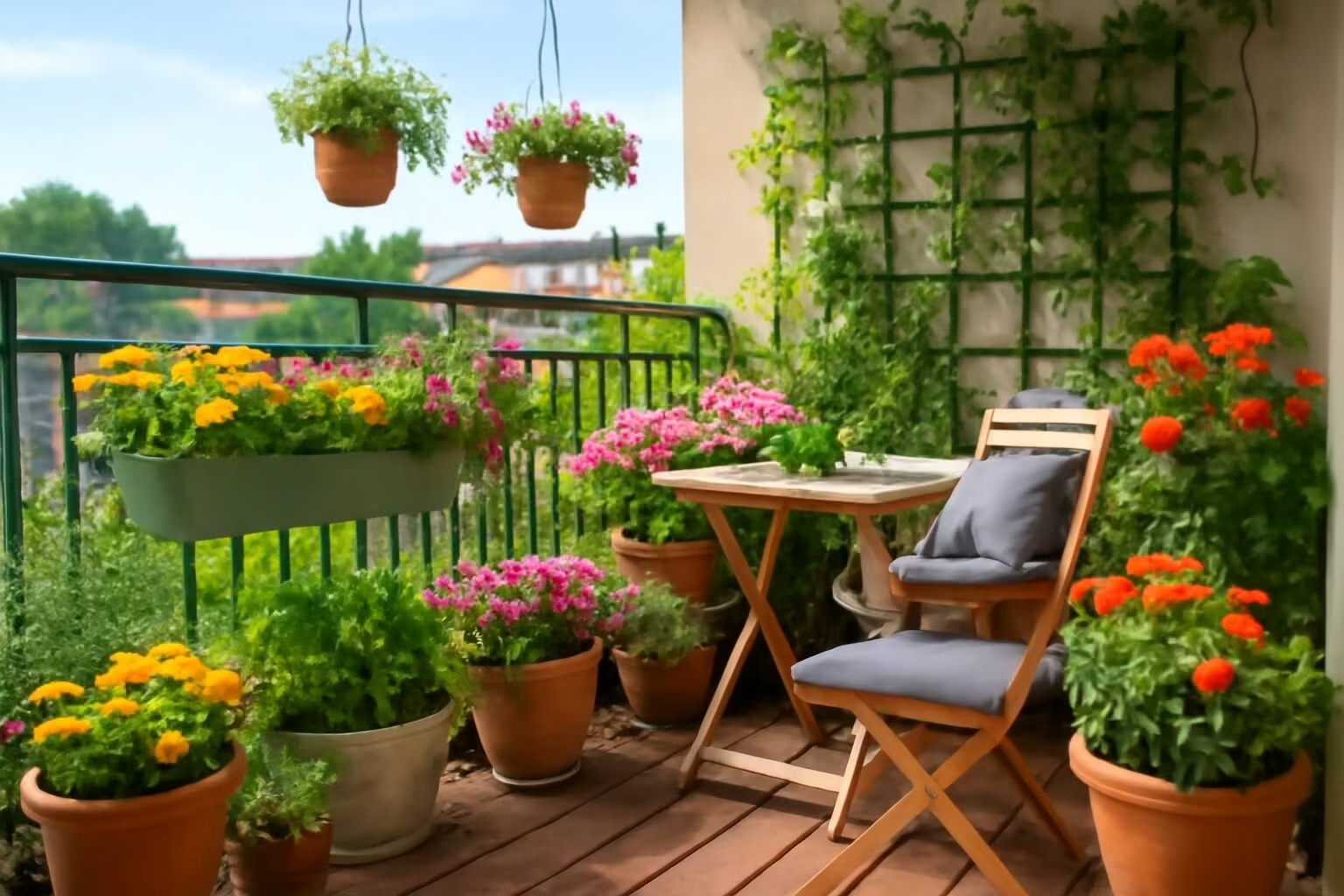
Having a balcony is a wonderful opportunity to bring nature into your living space, especially if you don’t have a yard or garden. With a little creativity, you can transform a small outdoor area into a vibrant, green oasis. A balcony garden can not only improve the aesthetics of your home but also provide a peaceful retreat where you can relax, unwind, and enjoy the fresh air. In this article, we’ll explore different ways to make the most of your balcony space, offering practical ideas and inspiration to create your own garden, no matter how small or large the area may be.
1. Assess Your Space and Light Conditions
Before you start choosing plants, it’s essential to assess your balcony’s space and light conditions. Every balcony is unique, and understanding these factors will help you select the best plants and layout.
- Size of the Balcony: Measure your available space so you can plan accordingly. Some plants may need more room to grow, while others are perfect for smaller spaces like railings or shelves.
- Light Exposure: How much natural sunlight does your balcony get? Is it a sunny spot all day long, or does it have periods of shade? The amount of sunlight is crucial when deciding which plants to include in your garden.
- Full Sun: If your balcony gets sunlight for most of the day, plants like herbs, succulents, and flowering plants (e.g., petunias, geraniums) will thrive.
- Partial Shade: For balconies with some sun and some shade, consider plants like ferns, hostas, and begonias.
- Full Shade: If your balcony receives very little sunlight, opt for shade-tolerant plants such as ferns, moss, or ivy.
- Wind Exposure: If your balcony is exposed to strong winds, be mindful of plants that may be damaged by gusts. Consider adding protective barriers, like a trellis, or using heavier pots to keep plants from tipping over.
Tip: For plants that need more sunlight, placing them near the edges of the balcony where they can catch the most light is often the best approach.
2. Choose the Right Plants for Your Balcony Garden
Choosing the right plants is key to a successful balcony garden. The plants you select should be suitable for the climate, sunlight, and space available on your balcony. Here are some ideas for plants that work well in balcony gardens:
- Herbs: Growing herbs on your balcony is an excellent choice. Not only are they easy to care for, but they also serve a functional purpose. You can grow basil, rosemary, thyme, mint, and parsley in small pots or containers. Fresh herbs are perfect for cooking, and they smell wonderful too!
- Flowers: Adding color to your balcony with flowers can bring life to the space. Consider planting marigolds, pansies, petunias, or geraniums. These flowers are vibrant, easy to care for, and available in a wide variety of colors.
- Succulents and Cacti: If you live in a warm, dry climate, succulents and cacti are a great choice for a low-maintenance garden. They require minimal watering and are available in many varieties that fit both small and large spaces.
- Climbing Plants: If you have limited horizontal space but vertical potential, consider growing climbing plants like ivy, jasmine, or clematis. These plants can be trained to climb up trellises, providing both greenery and privacy.
- Vegetables and Fruits: If you want to take gardening to the next level, consider growing vegetables and fruits on your balcony. Tomatoes, lettuce, strawberries, and peppers are all ideal for container gardening and can thrive on a sunny balcony. Just ensure you choose compact varieties suitable for small spaces.
- Tropical Plants: For a more exotic look, you can grow tropical plants like bougainvillea or palm trees. These plants will bring a lush, tropical vibe to your balcony and are perfect for creating a cozy escape.
Tip: Mix different types of plants, such as tall ones, trailing vines, and low-growing ground cover, to create a visually interesting and layered garden.
3. Maximize Space with Creative Planters
Maximizing space is important, especially if you have a small balcony. Here are some creative planter ideas to help you make the most of your space:
- Hanging Planters: Use hanging baskets or pots to free up space on the floor. You can hang them from the ceiling or railings, creating a garden above eye level. This is perfect for trailing plants like ivy or petunias.
- Vertical Gardens: If you’re short on space, consider installing vertical planters or a living wall. These can be used to grow herbs, flowers, or even vegetables and will make your garden look lush without taking up too much space.
- Rail Planters: Rail planters are specifically designed to sit on the edges of your balcony railings. They’re perfect for growing flowers, herbs, or small plants. They make use of otherwise wasted space while adding beauty to the edges of your balcony.
- Stacked Planters: If you don’t have room for wide containers, consider stacked planters. These are vertical, multi-level containers that allow you to grow different plants in one compact space.
- Window Boxes: Window boxes are another great option for balconies with limited space. You can plant flowers, herbs, or small vegetables in them and hang them along the edge of your balcony.
- Clever Container Choices: If you don’t have traditional plant pots, get creative with your containers. Use wooden crates, old buckets, wine barrels, or even repurposed items like teacups or old boots to plant your flowers and herbs.
Tip: Ensure that your containers have proper drainage holes to prevent water from collecting at the bottom, which can cause root rot.
4. Add Personal Touches for Ambiance
Your balcony garden is more than just plants—it’s a space for relaxation and enjoyment. Adding personal touches will make the area feel more inviting and comfortable. Here are some ideas:
- Outdoor Furniture: Consider adding a small bistro table and chairs, a bench, or even a hammock chair to your balcony. Having a comfortable spot to sit and enjoy your garden will make the space much more enjoyable.
- Fairy Lights or Lanterns: To create a cozy, magical atmosphere, string up fairy lights or place lanterns around your balcony. They’ll add a warm glow to the space at night and create a relaxing ambiance.
- Decorative Elements: Add decorative items like garden statues, wind chimes, or even a small water feature to enhance the visual appeal of your balcony garden.
- Privacy Screens: If you live in a densely populated area, consider adding privacy screens, bamboo fencing, or hanging curtains to make your balcony feel more private and secluded.
Tip: Choose furniture and décor that’s weather-resistant, especially if your balcony is exposed to the elements.
5. Watering and Maintenance
Caring for a balcony garden is straightforward, but regular maintenance is essential to keep your plants healthy.
- Watering: Depending on your climate and the types of plants you choose, your watering needs will vary. Generally, plants on a balcony will need more frequent watering than those in the ground, especially if they’re in containers that dry out faster. Make sure to check the soil regularly and water when needed.
- Fertilizing: Add fertilizer to your plants during the growing season (spring and summer) to encourage healthy growth. You can use a slow-release fertilizer or a liquid fertilizer every few weeks.
- Pruning: Trim any dead or overgrown branches to keep your plants looking neat. Regular pruning encourages healthy growth and helps to control the size of plants.
- Pest Control: Keep an eye on your plants for any signs of pests. If you spot aphids, spider mites, or other common balcony garden pests, treat them immediately with natural remedies or insecticidal soap.
Tip: Consider setting up an irrigation system for convenience. Self-watering planters or a drip irrigation system can help ensure that your plants get enough water without the hassle.
6. Seasonal Considerations
Your balcony garden may need different care as the seasons change.
- Spring and Summer: During the warmer months, your plants will be actively growing. Water them regularly, add fertilizer, and keep an eye on their growth.
- Fall and Winter: In the cooler months, many plants slow down and may need less water. Bring any sensitive plants indoors if the weather is too cold, or add protective covers to keep them safe from frost.
Tip: Don’t forget to clean your plants and containers at the end of each season to keep pests and diseases at bay.
Conclusion
Creating a garden on your balcony is an excellent way to make the most of your outdoor space, regardless of its size. With thoughtful planning, the right plant choices, and a little creativity, you can turn your balcony into a lush and vibrant garden that brings joy and tranquility to your home. Whether you’re growing flowers, herbs, vegetables, or a combination of everything, the possibilities are endless for transforming your balcony into an outdoor oasis. Take your time, experiment with different plants and décor, and soon you’ll have a balcony garden that’s the envy of your neighborhood.