
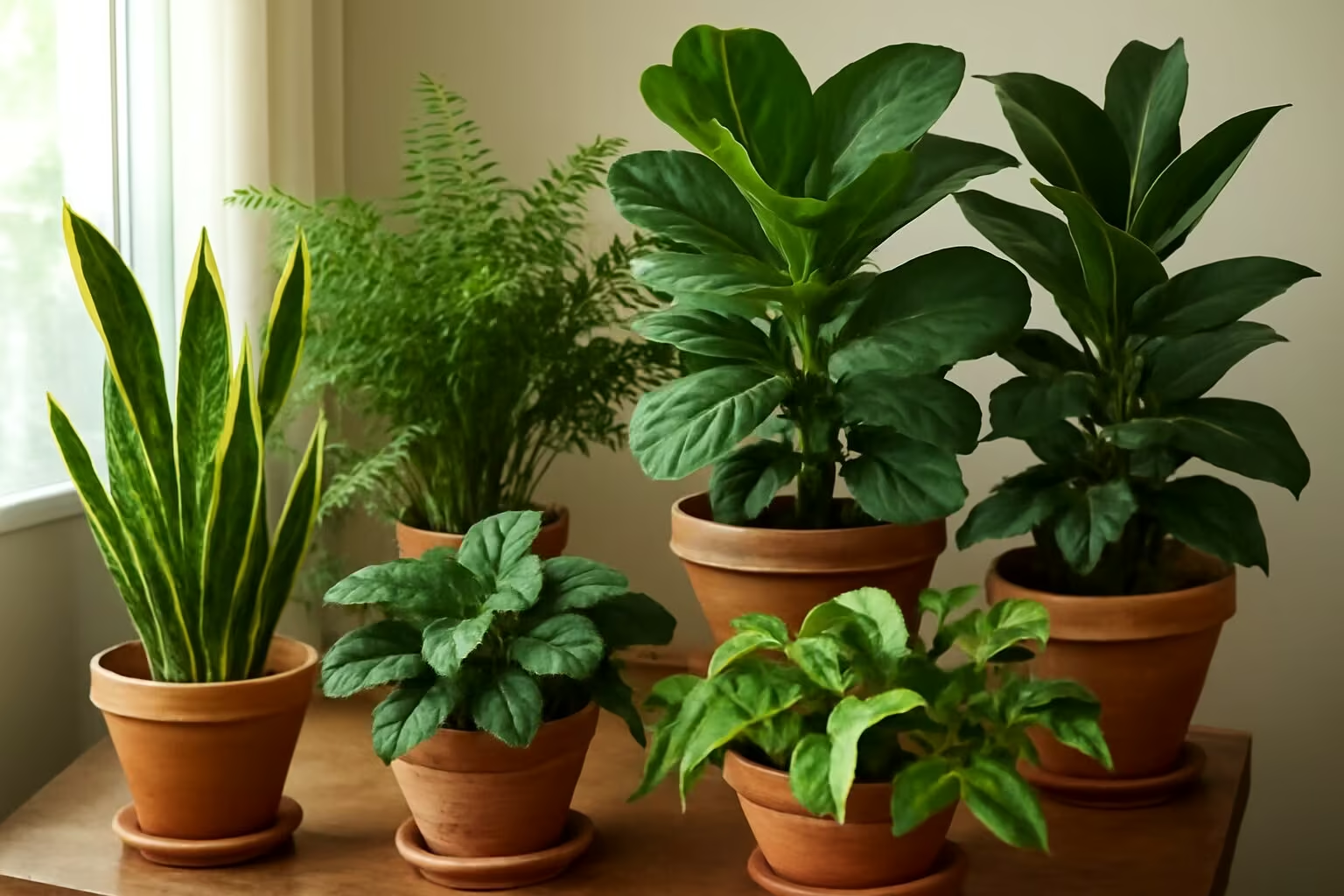
Houseplants are not just decorative additions to your home, but they also contribute to cleaner air, reduced stress, and an overall calming atmosphere. However, keeping plants thriving inside your home can sometimes feel like a challenge. With the right care and attention, you can enjoy healthy and beautiful houseplants year-round. In this article, we’ll walk you through essential tips and tricks for maintaining your indoor plants, ensuring they remain lush and vibrant.
1. Choose the Right Plants for Your Home
The first step in ensuring your plants stay healthy is selecting varieties that are well-suited to your home’s environment. Not all plants thrive indoors, and some may struggle if placed in the wrong conditions. When choosing houseplants, consider the following factors:
- Lighting: How much natural light does your home get? Some plants require bright, indirect light, while others can tolerate low light conditions. For example, succulents, snake plants, and pothos thrive in bright light, while peace lilies and ferns prefer lower light.
- Humidity: Certain plants, like tropical varieties, thrive in humid conditions, while others, like cacti, prefer dry air. If you live in a dry climate, you may need to increase humidity around your plants with a humidifier or by placing a shallow tray of water near them.
- Space: Ensure you have enough space for the plant to grow. Some plants, like the monstera or fiddle-leaf fig, can become quite large, while others, like succulents and small herbs, are ideal for smaller spaces.
By selecting the right plant for your home’s conditions, you’ll already be ahead in keeping them healthy and happy.
2. Light is Crucial – Know How to Use It
Proper lighting is one of the most critical factors in keeping houseplants healthy. Too little light can cause plants to become leggy or have stunted growth, while too much light can lead to sunburn or dry, crispy leaves. Here are some guidelines for positioning your plants according to their light needs:
- Low Light: For areas with limited light, choose plants that can thrive in lower conditions, such as snake plants, pothos, and ZZ plants.
- Indirect Light: Many plants, including peace lilies and philodendrons, thrive in bright, indirect light. If you don’t have a window with direct sunlight, place your plants near a window that gets plenty of diffused sunlight.
- Direct Light: Some plants, especially succulents and cacti, require full sunlight. Position these types of plants near a south-facing window or an area that gets direct sun exposure throughout the day.
It’s essential to monitor the light intensity and adjust the placement of your plants accordingly. You might also consider rotating your plants every week to ensure even light exposure.
3. Watering: The Delicate Balance
Overwatering and underwatering are two of the most common reasons houseplants fail to thrive. Finding the right balance can be tricky, but with a bit of practice, you’ll get the hang of it. Here are some important watering tips:
- Check the Soil Moisture: Before watering, always check the soil’s moisture level. Stick your finger about an inch into the soil. If it feels dry, it’s time to water; if it’s still damp, wait a few days before checking again.
- Watering Frequency: The frequency of watering varies depending on the plant species, the size of the pot, and the environment. In general, plants need less water in the winter when they are in a dormant phase and more water in the warmer months when they are actively growing.
- Water Thoroughly: When you water, make sure to water thoroughly until the water drains from the bottom of the pot. This ensures that the roots receive adequate moisture. Avoid letting your plants sit in water, as this can lead to root rot.
- Watering Techniques: If you have a plant that is sensitive to water on its leaves, such as orchids or African violets, water the soil directly. For other plants, watering from the bottom can be effective, allowing the roots to absorb moisture without wetting the foliage.
By understanding the specific needs of each plant and adjusting your watering routine accordingly, you’ll prevent many common issues like root rot and leaf yellowing.
4. Proper Soil and Fertilization
The soil you use for your houseplants plays a significant role in their health. Plants need soil that is well-draining and contains enough nutrients to support their growth. Here are some key tips:
- Use the Right Soil: Different plants have different soil needs. For example, succulents and cacti require a well-draining mix, while ferns and tropical plants prefer a moisture-retentive, peat-based mix. Always use high-quality, appropriate soil for your plants.
- Repotting: As plants grow, they may outgrow their pots. Repot your plants every couple of years to ensure they have enough room for their roots to spread. This is also a great opportunity to refresh the soil and ensure that the plant continues to get the nutrients it needs.
- Fertilize Regularly: Plants need nutrients to grow, and while the soil can provide some, you may need to fertilize periodically to replenish them. Use a balanced, water-soluble fertilizer during the growing season (spring and summer). Reduce fertilizing in the winter when most plants are not actively growing.
Be cautious not to over-fertilize, as this can lead to fertilizer burn, where the plant’s roots are damaged by an excess of salts.
5. Regular Maintenance and Cleaning
Keeping your houseplants healthy also involves regular maintenance, such as cleaning their leaves and ensuring that they remain free of pests. Here’s how to keep your plants in tip-top shape:
- Dusting Leaves: Dust can accumulate on plant leaves, blocking sunlight and reducing their ability to photosynthesize. Gently wipe the leaves with a damp cloth or give them a light shower using lukewarm water.
- Pruning: Regularly trim dead or yellowing leaves to encourage new growth and improve the plant’s overall appearance. For plants with vines, like pothos or ivy, pruning helps control their growth and prevent them from becoming unruly.
- Inspect for Pests: Occasionally, check your plants for signs of pests like spider mites, aphids, or mealybugs. If you notice any, treat the plant with insecticidal soap or a natural remedy like neem oil.
By keeping up with basic plant maintenance, you can prevent issues before they become serious problems and keep your plants looking their best.
6. Humidity and Temperature Control
Indoor humidity and temperature play an important role in the health of your plants. Different plants have different requirements, but most houseplants thrive in environments with moderate humidity and temperatures between 60-75°F (15-24°C).
- Humidity: If the air in your home is dry, particularly in winter, you may need to increase humidity. You can do this by misting your plants with water, placing a humidifier in the room, or grouping plants together to create a micro-environment with higher humidity.
- Avoid Drafts and Temperature Fluctuations: Keep your plants away from hot drafts, radiators, and air conditioners. Extreme fluctuations in temperature can stress the plants and make them more susceptible to disease or pests.
If you notice that your plants are not thriving due to low humidity or temperature extremes, try moving them to a more suitable location.
7. Watch for Signs of Stress
Finally, it’s essential to pay attention to the signs your plants give you. If your plant is showing signs of stress, it’s usually a result of improper care or environmental conditions. Common signs to watch for include:
- Yellowing Leaves: This could be a sign of overwatering, underwatering, or nutrient deficiencies.
- Wilting: Wilting leaves often indicate that the plant is either too dry or sitting in waterlogged soil.
- Brown Tips: This could be a sign of low humidity, over-fertilization, or exposure to drafts.
By acting quickly and adjusting care when necessary, you can often reverse the damage and help your plant recover.
Conclusion
By following these essential tips, you can keep your houseplants healthy, vibrant, and beautiful throughout the year. Proper light, water, soil, and regular maintenance are key factors in maintaining your plants’ health. Don’t forget to pay attention to their needs and make adjustments based on seasonal changes and specific requirements for each plant species. With a little patience and care, your houseplants will thrive and continue to bring beauty and joy into your home.