
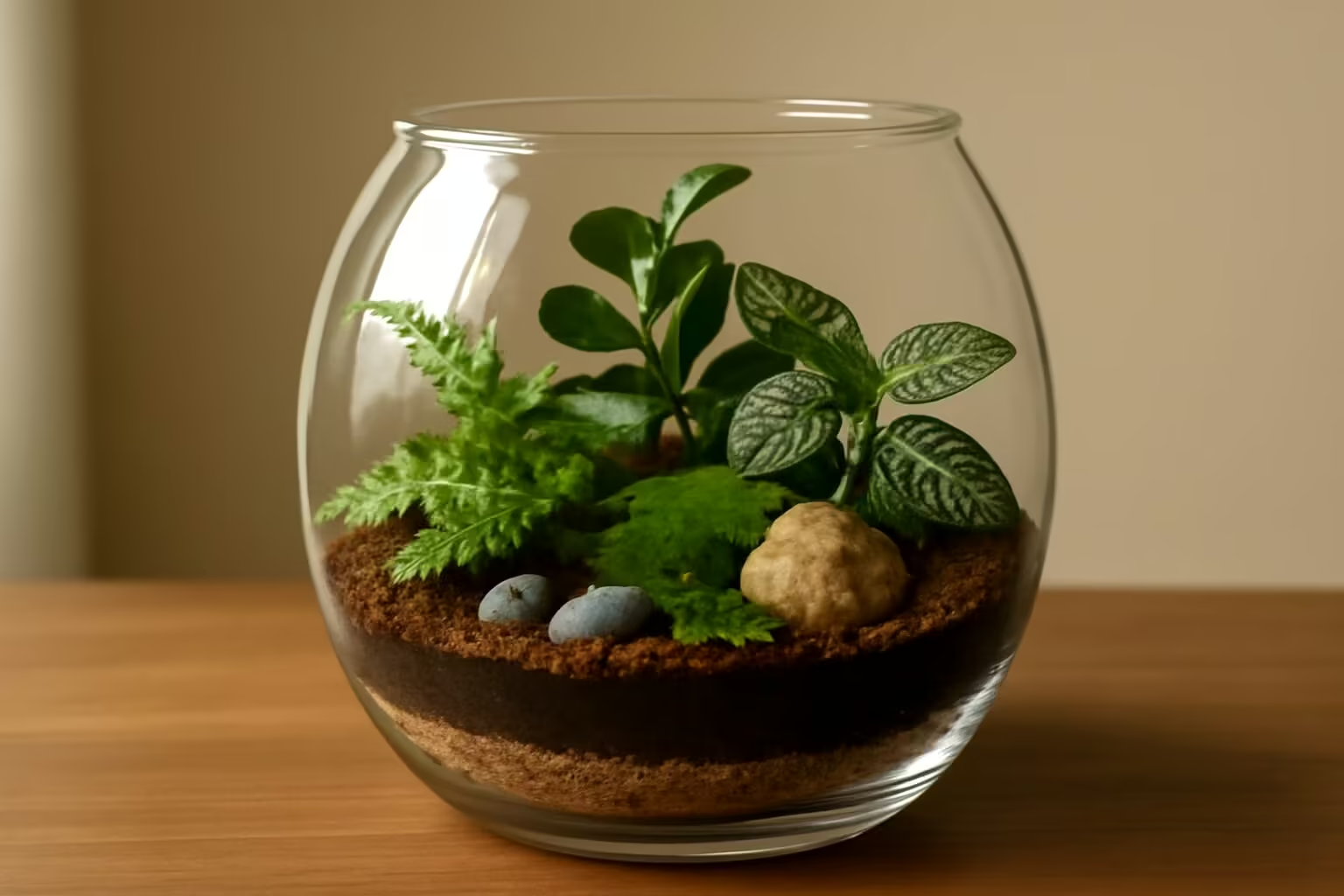
A terrarium is a small, self-contained ecosystem that can bring a bit of nature indoors, even if you’re short on space. These miniature gardens are not only beautiful and calming but also quite easy to create, offering a fun and creative way to display plants. Whether you’re an experienced gardener or a complete beginner, making a terrarium is a satisfying and rewarding project. In this article, we’ll guide you through the process of creating your own terrarium and provide tips for maintaining it.
1. What You’ll Need: The Essentials for Your Terrarium
Creating a terrarium requires a few basic materials. While you can always customize it based on your preferences, here are the essential components for building a basic terrarium:
- A Container: The container you choose is essential as it will house your plants. It can be glass, plastic, or any transparent material to allow light to filter in. Some popular options include fish tanks, mason jars, cloches, or glass bowls. The size and shape of the container will depend on the plants you wish to include.
- Gravel or Pebbles: A layer of gravel or small pebbles at the bottom of your terrarium ensures proper drainage, which is crucial for the health of your plants.
- Activated Charcoal: This is an optional but helpful addition to prevent odors and mold growth. Activated charcoal absorbs excess moisture and keeps your terrarium fresh.
- Potting Soil: Choose potting soil based on the types of plants you’re using. A general-purpose potting mix will work for most plants, but certain plants (like cacti or succulents) may require specific types of soil.
- Plants: Select plants that thrive in the conditions of a terrarium. Some popular choices include ferns, moss, air plants, succulents, and small tropical plants.
- Decorative Elements: These are optional but can add a personal touch to your terrarium. Consider using decorative stones, figurines, shells, or small pieces of driftwood to make your terrarium unique.
- Tools: A small shovel, tweezers, and a spoon can help you arrange your plants and materials neatly, especially if your container has a narrow opening.
Tip: If you’re using a glass container, ensure that it is clear so that your plants can receive plenty of light. Also, make sure the container has an opening for air circulation.
2. Step-by-Step Guide to Building Your Terrarium
Now that you have all the necessary materials, here’s how to create your own terrarium:
Step 1: Prepare the Container
Start by cleaning your container thoroughly. If it’s a used jar or glass item, make sure to remove any dirt, dust, or old labels. If the container is sealed, make sure there’s enough ventilation for the plants to breathe.
Step 2: Add the Gravel for Drainage
The first layer of your terrarium is the drainage layer. Add a layer of gravel or small pebbles, about 1-2 inches deep, depending on the size of your container. This will help excess water drain away from the plants’ roots, preventing root rot.
Step 3: Add Activated Charcoal
Next, add a thin layer of activated charcoal on top of the gravel. This will absorb excess moisture, prevent mold, and keep the terrarium smelling fresh. You only need a small amount, as this layer’s primary purpose is to filter the water.
Step 4: Add the Soil
Now, add a layer of potting soil. Make sure you have enough soil for your plants to grow and establish their roots. Depending on the types of plants you’re using, the soil layer should be around 3-4 inches deep. For succulent terrariums, you’ll want to use a well-draining cactus or succulent mix. For tropical plants, a standard potting mix is sufficient.
Step 5: Arrange the Plants
Choose your plants based on size and light requirements. Place the largest plants at the back or center, and smaller plants at the front or edges. If your container has a narrow opening, use long tweezers or chopsticks to position the plants carefully.
Here are a few tips for selecting plants:
- Succulents and Cacti: Perfect for low-maintenance terrariums that need little water and sunlight.
- Ferns and Moss: Great for creating a lush, tropical terrarium. These plants thrive in a humid environment.
- Air Plants (Tillandsia): These are perfect for open terrariums because they don’t require soil to grow.
Step 6: Add Decorative Elements
This step is where you can let your creativity shine. Place decorative items like small stones, moss, figurines, or shells around the plants. These elements can add a whimsical or natural feel to your terrarium, making it feel more like a miniature world.
Step 7: Water and Maintain
After arranging everything, water the plants lightly. The amount of water you need will depend on the types of plants you have. Succulents and cacti need very little water, while ferns and tropical plants require more moisture. Be sure to not overwater; your terrarium’s sealed environment will retain moisture for the plants.
Tip: If your terrarium is sealed, you only need to water it once a week or when the soil looks dry. If the terrarium is open, you may need to water it more frequently.
3. Types of Terrariums
Terrariums can be designed in different ways to accommodate various plant types. Here are the two main types of terrariums:
- Closed Terrariums: These are sealed containers with a lid or cover that creates a humid environment. Closed terrariums are ideal for plants that thrive in moist, tropical conditions, such as ferns, mosses, and air plants. The closed environment keeps the moisture level stable and reduces the need for frequent watering.
- Open Terrariums: Open containers are perfect for plants that need dry conditions, such as succulents and cacti. They have no lid, which allows for better air circulation and reduces moisture buildup. Open terrariums are easier to maintain, but the plants may need more regular watering compared to a closed system.
Tip: If you live in a humid climate, it’s better to choose an open terrarium to prevent mold growth and excess moisture. Conversely, if you live in a dry climate, a closed terrarium will help retain humidity for the plants.
4. Terrarium Care and Maintenance
Once your terrarium is set up, it requires minimal care. Here are a few tips for maintaining a healthy and thriving terrarium:
- Lighting: Place your terrarium in a spot that receives indirect sunlight. Direct sunlight can heat up the container and cause the plants to dry out or burn. Bright, indirect light is best for most terrarium plants.
- Watering: Be cautious not to overwater your terrarium. A little water goes a long way. Check the moisture level of the soil before adding more water. In a closed terrarium, you might only need to water once every 2-3 weeks.
- Cleaning: Wipe the glass or container regularly to remove dust and prevent algae buildup. You can also prune dead leaves and remove any debris from the plants.
- Ventilation: If you have a closed terrarium, occasionally remove the lid to allow fresh air in and prevent mold buildup.
Tip: If you notice any pests in your terrarium, simply remove them by hand or use a mild soap solution to wash them off the plants.
5. Creative Terrarium Ideas
Terrariums can be as simple or as elaborate as you want. Here are a few creative ideas to inspire you:
- Fairy Gardens: Create a whimsical terrarium with tiny fairies, mushrooms, and little houses.
- Beach Theme: Use sand, seashells, and succulents to make a desert-inspired terrarium.
- Moss Terrariums: For a lush, green terrarium, use different types of moss and ferns to create a miniature forest.
- Themed Terrariums: Create a themed terrarium, such as a tropical jungle or a miniature woodland scene, using appropriate plants and décor.
Conclusion
Building your own terrarium is a fun and rewarding project that allows you to bring nature indoors. Whether you’re creating a closed, humid environment for ferns or a dry, open habitat for succulents, terrariums offer a beautiful way to display plants and enjoy the calming benefits of nature. By following these simple steps and tips, you can create your own miniature garden that will thrive and add a touch of greenery to your home. Happy terrarium making!