
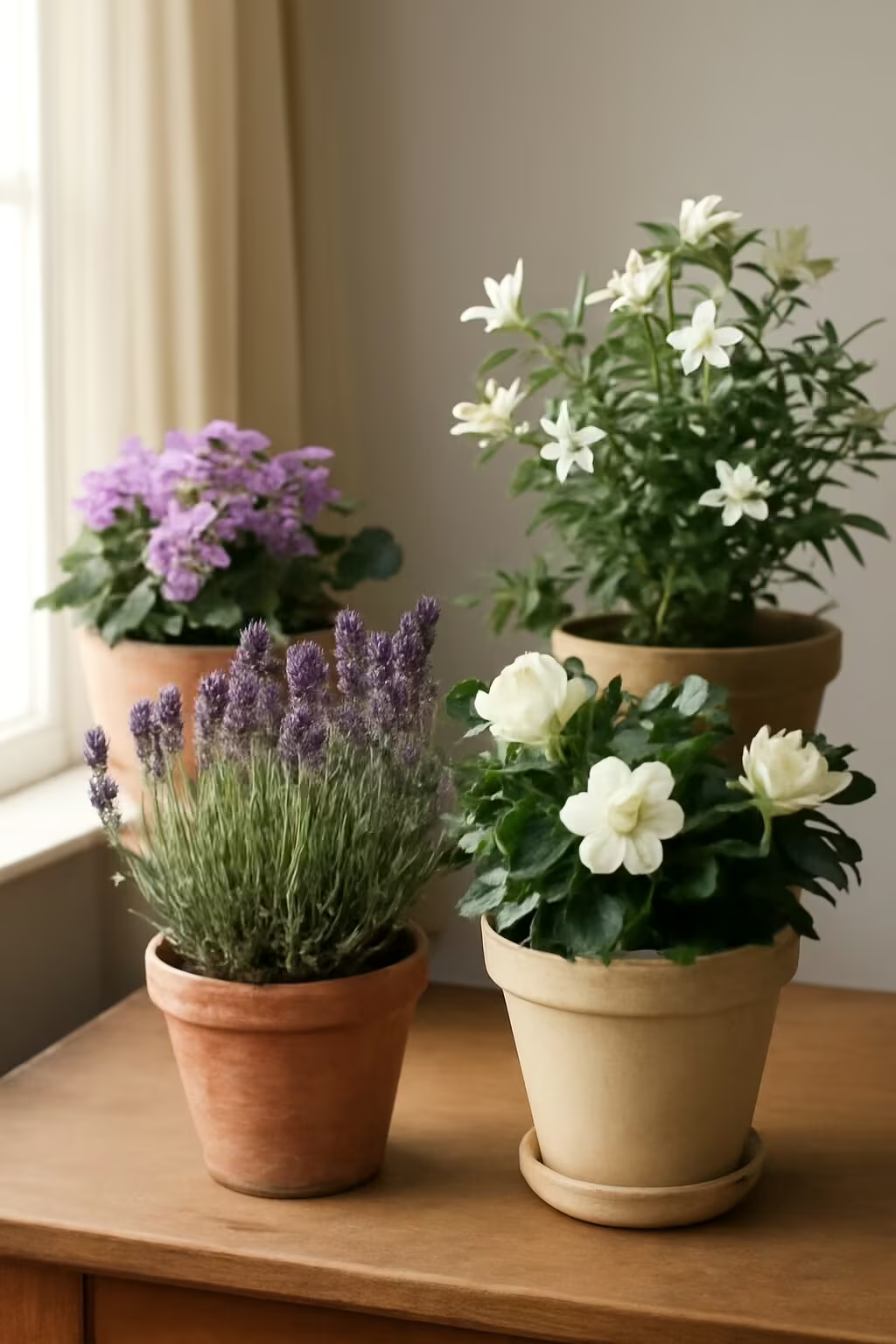
There’s something incredibly special about fragrant flowers. Their scents can bring a sense of calm, joy, and tranquility to any space, transforming your home into a fragrant oasis. Whether you want to add a touch of natural beauty to your living room or cultivate a mini indoor garden, growing fragrant flowers in your home is a rewarding and enriching experience. In this article, we’ll explore how to plant and care for fragrant flowers indoors, ensuring they thrive and fill your space with delightful aromas.
Why Grow Fragrant Flowers Indoors?
Fragrant flowers are more than just visually pleasing – they also provide a sensory experience that can elevate the atmosphere in your home. Here are some reasons why growing fragrant flowers indoors is a fantastic idea:
- Aromatherapy: Many fragrant flowers have therapeutic benefits, like lavender, which is known for its calming and stress-relieving properties. The scent of flowers can have a positive impact on mood and mental well-being.
- Beauty and Elegance: Fragrant flowers add natural beauty and elegance to your home décor. Their vibrant colors and delightful scents make them perfect for creating a relaxing, inviting atmosphere.
- Air Freshening: Instead of using artificial air fresheners, fragrant flowers naturally purify the air and add pleasant aromas to your home. Certain flowers, like jasmine, can help remove unpleasant odors and improve indoor air quality.
- Connection with Nature: Having flowers in your home brings a bit of nature indoors, offering a sense of peace and connection with the natural world. It’s also an opportunity to grow something yourself, adding a sense of accomplishment to your living space.
Choosing the Right Fragrant Flowers for Your Home
When selecting flowers to grow indoors, it’s important to choose varieties that are suitable for indoor environments and provide a pleasant fragrance. Here are some popular fragrant flowers that thrive indoors:
- Lavender: Lavender is a favorite for its calming scent and beautiful purple flowers. It requires plenty of sunlight and a well-draining potting mix.
- Jasmine: Jasmine flowers are known for their sweet, intoxicating fragrance. Indoor jasmine plants need plenty of sunlight and a warm, humid environment to flourish.
- Gardenia: Gardenias are loved for their creamy white flowers and sweet, floral scent. They prefer bright, indirect light and need a bit more care, especially when it comes to humidity and temperature.
- Rose: Roses can be grown indoors in pots, and many varieties offer a beautiful fragrance. Look for smaller, dwarf rose varieties that are well-suited for container growth.
- African Violet: While not as strong as some other flowers, African violets still offer a delicate fragrance and beautiful purple, pink, or white blooms. They are great for homes with low light conditions.
- Tuberose: Tuberoses are known for their strong, intoxicating scent and beautiful white flowers. They thrive in pots and can be grown indoors if provided with plenty of sunlight.
How to Plant Fragrant Flowers Indoors
Planting fragrant flowers indoors is relatively simple, but it does require attention to their specific needs. Here’s a step-by-step guide to get started:
1. Select the Right Containers
Choosing the right container is crucial to ensure your fragrant flowers have enough space to grow and thrive. Make sure the pots have drainage holes to allow excess water to escape, preventing waterlogging and root rot. If you’re planting more than one flower, consider giving them enough room in larger containers or separate pots.
2. Choose a Quality Potting Mix
Fragrant flowers need a light, well-draining soil mix. Use a high-quality potting mix that contains perlite or vermiculite for improved drainage. Some flowers, like lavender, may prefer a slightly sandy or rocky soil, while others, like gardenias, thrive in acidic soil.
3. Place Your Flowers in the Right Location
Indoor flowers need sufficient light to thrive. Choose a location in your home where your flowers will receive the right amount of sunlight:
- Bright, indirect light is ideal for many fragrant flowers.
- South or west-facing windows are often the best for flowers that require direct sunlight.
- Artificial grow lights can be used for flowers that need more light, especially during the winter months when natural light may be limited.
Make sure to rotate the pots every few weeks so that the flowers receive an even amount of light.
4. Plant Your Flowers
Once you’ve prepared your containers and soil, it’s time to plant your flowers. Gently place your plants in the pots, ensuring that the root ball is level with the soil surface. For seeds or bulbs, follow the planting depth instructions provided on the seed packet or bulb packaging. Water the soil thoroughly after planting to settle the roots and remove any air pockets.
Caring for Your Indoor Fragrant Flowers
Taking care of your fragrant flowers is crucial to ensuring that they thrive and continue to fill your home with their delightful scents. Here are some essential tips for caring for your indoor flowers:
1. Watering
Fragrant flowers need consistent watering, but it’s important not to overwater them. Water the plants when the top inch of soil feels dry to the touch. Ensure that the pot has proper drainage to avoid waterlogging, which can cause root rot. Some flowers, like lavender, require less water and prefer the soil to dry out a bit between waterings.
2. Fertilizing
Indoor flowers benefit from regular feeding to encourage healthy growth and vibrant blooms. Use a balanced, water-soluble fertilizer during the growing season (spring and summer), but reduce feeding in the fall and winter when the plants are dormant. Be careful not to over-fertilize, as this can cause the plants to become leggy and reduce fragrance.
3. Humidity
Many fragrant flowers, especially jasmine and gardenias, prefer a humid environment. If your home is dry, consider increasing humidity by placing a humidity tray filled with water near the plants or using a humidifier. Misting your plants occasionally can also help, but avoid over-wetting the foliage.
4. Pruning and Deadheading
Regularly remove dead or wilted flowers to promote new blooms and keep the plant looking tidy. Some flowers, like roses, benefit from occasional pruning to remove old growth and shape the plant. This will also help increase air circulation around the plant and prevent disease.
5. Repotting
Indoor plants will eventually outgrow their pots. Repot your fragrant flowers every 1-2 years, or when the roots become crowded. Choose a pot that’s 1-2 inches larger in diameter than the current one and use fresh, well-draining soil.
Common Problems and Solutions
While fragrant flowers are generally easy to care for, they can sometimes face challenges. Here are a few common problems and how to solve them:
- Yellowing leaves: This is often caused by overwatering or poor drainage. Check that the soil is draining well and adjust your watering schedule accordingly.
- Pests: Indoor plants can attract pests like aphids or spider mites. If you notice pests, treat the plants with insecticidal soap or neem oil, or wipe the leaves with a damp cloth.
- Leggy growth: If your flowers are stretching or becoming leggy, they may not be receiving enough light. Move the plants to a brighter spot or use a grow light.
Conclusion: Enjoy the Beauty and Scent of Your Indoor Garden
Planting and caring for fragrant flowers in your home can bring both beauty and a calming atmosphere to your space. With the right care, these flowers can thrive and bloom year after year, filling your home with their delightful scents. By following the tips above – from selecting the right flowers to providing the ideal growing conditions – you’ll be able to create a fragrant indoor garden that’s both beautiful and aromatic.
Happy gardening, and enjoy the sweet fragrances of your new indoor floral paradise!
This article provides all the information needed to successfully plant and care for fragrant flowers indoors, including plant selection, planting tips, and care instructions to ensure your flowers thrive and continue to provide you with natural beauty and scent.