
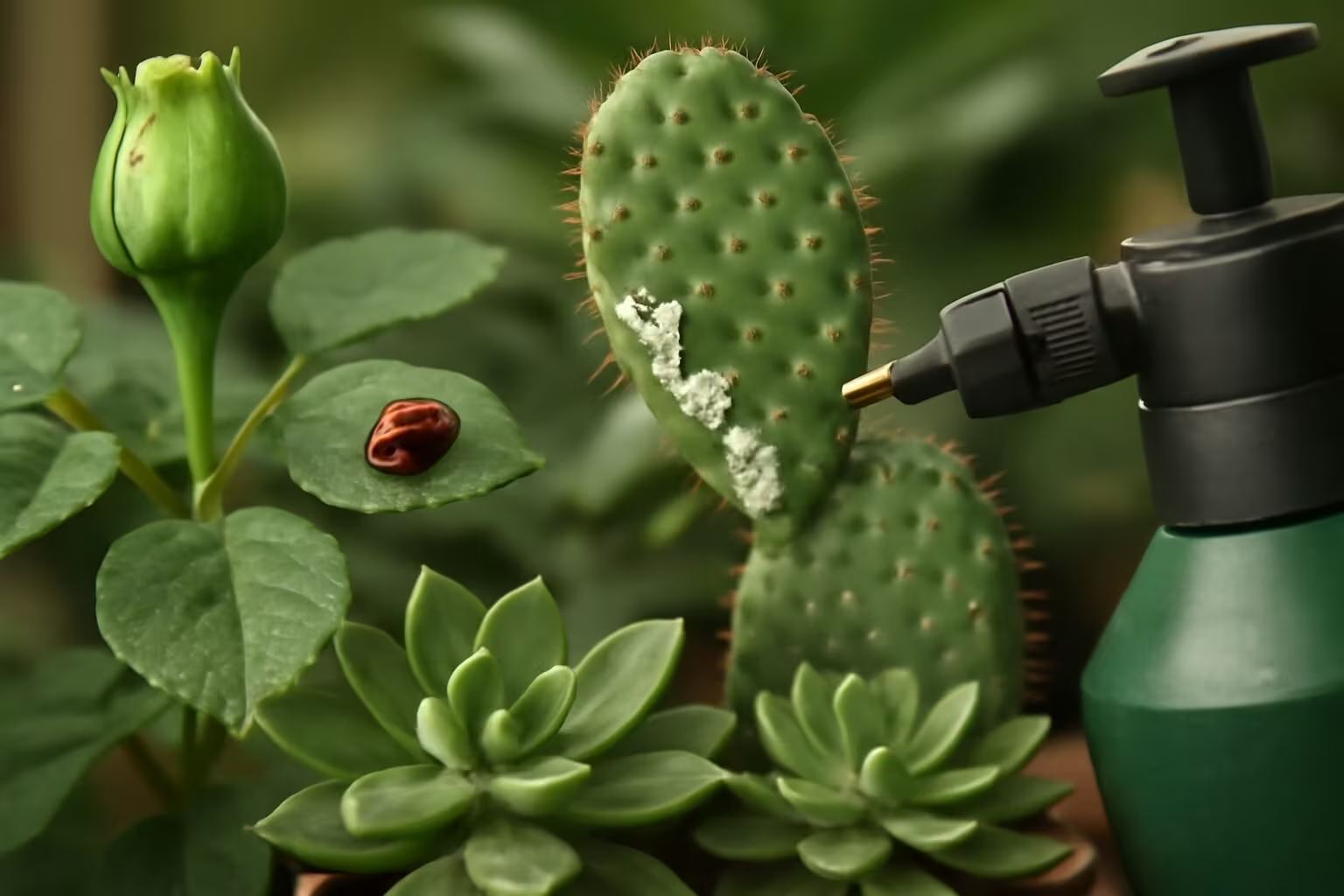
Having a flourishing garden or houseplants can be a rewarding experience, but pests can quickly turn your green paradise into a battle zone. Whether you’re dealing with tiny aphids, hungry caterpillars, or persistent spider mites, pest infestations can damage your plants, stunt their growth, and even kill them if left unchecked. Luckily, there are many natural and effective ways to protect your plants from pests without resorting to harsh chemicals. In this article, we’ll explore several environmentally friendly solutions to keep your plants healthy and pest-free.
1. Understanding Common Plant Pests
Before diving into solutions, it’s helpful to know the common pests that might invade your plants. Some of the most frequent culprits include:
- Aphids: These tiny, soft-bodied insects often cluster on the undersides of leaves and suck sap from plants. They can spread diseases and attract ants.
- Spider Mites: These tiny arachnids are difficult to see with the naked eye but can cause significant damage by sucking plant juices. They leave behind a stippling effect on leaves and sometimes webbing.
- Mealybugs: Covered in a cotton-like substance, mealybugs tend to congregate at the joints of plants and cause damage by feeding on plant sap.
- Whiteflies: These small, white insects are often found on the undersides of leaves. They suck sap and can cause yellowing of the plant.
- Caterpillars: Depending on the type, caterpillars can cause serious damage by eating through leaves, stems, and flowers.
- Slugs and Snails: Common in moist environments, slugs and snails can eat entire leaves and flowers, especially at night.
Tip: Regularly inspect your plants, especially the undersides of leaves and the areas where new growth emerges, to catch pest problems early.
2. Natural Predators: Let Nature Do the Work
One of the most effective and natural ways to control pests is by introducing or encouraging beneficial insects and animals that are predators to plant-damaging pests. These natural predators can help keep the pest population in check without any harm to your plants.
- Ladybugs: These colorful beetles are excellent at controlling aphids, mealybugs, and scale insects. You can attract ladybugs by planting dill, fennel, and cilantro.
- Lacewing Larvae: Lacewing larvae are voracious predators of aphids, caterpillars, mealybugs, and whiteflies. You can purchase them from garden centers or attract them by planting flowers like daisies and yarrow.
- Parasitic Wasps: These tiny wasps lay their eggs inside the bodies of pests like aphids and caterpillars. Once the eggs hatch, the larvae feed on the pests, killing them. You can encourage parasitic wasps by planting a variety of flowering plants to provide nectar.
- Nematodes: Beneficial nematodes are microscopic worms that target soil-dwelling pests like root aphids, grubs, and slugs. These nematodes can be purchased and applied directly to your soil.
Tip: Avoid using chemical pesticides that can harm these beneficial predators. Opt for natural, organic solutions instead.
3. Companion Planting to Repel Pests
Companion planting involves growing certain plants together that can help repel pests or boost each other’s growth. Some plants have natural properties that discourage specific pests from invading nearby plants.
- Marigolds: The strong scent of marigolds is known to repel aphids, nematodes, and whiteflies. Plant them alongside vegetables or other flowering plants to keep pests at bay.
- Garlic and Chives: Garlic has natural pest-repelling properties, and its strong smell deters aphids, beetles, and spider mites. Chives also act as a natural deterrent for aphids.
- Basil: Basil helps to repel mosquitoes, flies, and aphids. It can be planted near tomatoes, peppers, or other herbs to reduce pest pressure.
- Lavender: Lavender’s strong scent repels moths, fleas, and mosquitoes. It’s also great for attracting pollinators, which can help keep other pests under control.
- Nasturtiums: Nasturtiums can attract aphids and other pests away from your other plants. This makes them a great decoy to protect more valuable crops.
Tip: Research which plants work well together in your specific climate, as some companion plants may need particular growing conditions to be most effective.
4. Neem Oil: A Powerful, Natural Pesticide
Neem oil is derived from the seeds of the neem tree and is an excellent organic pesticide. It works by interfering with the pests’ hormones, preventing them from feeding, breeding, and maturing. Neem oil is effective against a wide range of pests, including aphids, mealybugs, whiteflies, and spider mites.
- How to Use: Mix 2 tablespoons of neem oil with 1 gallon of water and a few drops of mild dish soap. Spray the mixture on your plants, focusing on the undersides of the leaves where pests tend to hide. Reapply every 7-14 days or after rainfall.
- Safety: Neem oil is safe for humans, pets, and beneficial insects when used correctly. However, it’s important to spray it during the evening or early morning to avoid harming pollinators like bees.
Tip: Always test a small patch of your plant before applying neem oil to the entire plant, as some plants may be sensitive to it.
5. DIY Homemade Pest Sprays
There are several simple and effective homemade sprays you can create with common household ingredients to combat pests on your plants.
- Garlic and Chili Pepper Spray: Blend garlic and hot chili peppers with water to create a natural insect repellent. The strong smell and heat deter pests like aphids, whiteflies, and spider mites. Simply blend a few garlic cloves and a chili pepper with water, strain the mixture, and spray it on your plants.
- Soap Spray: A mild soap solution (using castile soap or dish soap) is effective for killing soft-bodied insects like aphids, mealybugs, and spider mites. Mix 1 tablespoon of soap with 1 quart of water, then spray on the affected plants.
- Alcohol Spray: For stubborn pests like mealybugs or scale insects, rubbing alcohol can be an effective treatment. Mix 1 part alcohol with 3 parts water and spray directly onto the pests.
Tip: Always wash your plants after using any homemade pesticide to remove any residue that could harm the plant.
6. Physical Barriers: Preventing Pests from Reaching Your Plants
Sometimes, a simple physical barrier can go a long way in protecting your plants from pests. Here are some effective methods:
- Row Covers: Lightweight, breathable fabric covers can be draped over your plants to create a barrier that keeps pests out while still allowing sunlight, rain, and air to reach the plants.
- Copper Tape: Slugs and snails avoid copper, so placing copper tape around the base of pots or garden beds can help deter these pests from entering.
- Insect Traps: Yellow sticky traps can catch flying pests like whiteflies, aphids, and fruit flies. Hang these traps near your plants to capture pests before they can cause significant damage.
Tip: If you’re using row covers or other physical barriers, make sure they don’t block sunlight or air circulation, as your plants still need these elements to thrive.
7. Regular Maintenance: Stay on Top of Pests
Prevention is always better than cure, so regular plant maintenance is essential for pest control. Here are some ongoing care tips to keep pests in check:
- Clean Your Plants: Regularly wipe down the leaves of your plants with a damp cloth to remove dust, debris, and any pests that may be hiding.
- Remove Dead Plant Material: Dead leaves and flowers are attractive to pests. Remove any dead or decaying plant matter promptly to reduce hiding spots for pests.
- Keep the Soil Healthy: Healthy soil leads to healthy plants. Make sure your soil is well-draining and enriched with nutrients to reduce the chances of plant stress, which can attract pests.
Tip: Early detection and immediate action can prevent a small problem from turning into a full-blown infestation. Keep a close eye on your plants to catch pests early.
Conclusion
Protecting your plants from pests doesn’t have to involve toxic chemicals or complex methods. With natural solutions like beneficial insects, neem oil, and homemade sprays, you can keep your plants healthy and pest-free while maintaining an eco-friendly approach to gardening. Regular maintenance and the use of physical barriers can further reduce the risk of infestations. By implementing these natural, effective pest control strategies, you can ensure your plants thrive without harming the environment. Happy gardening!