
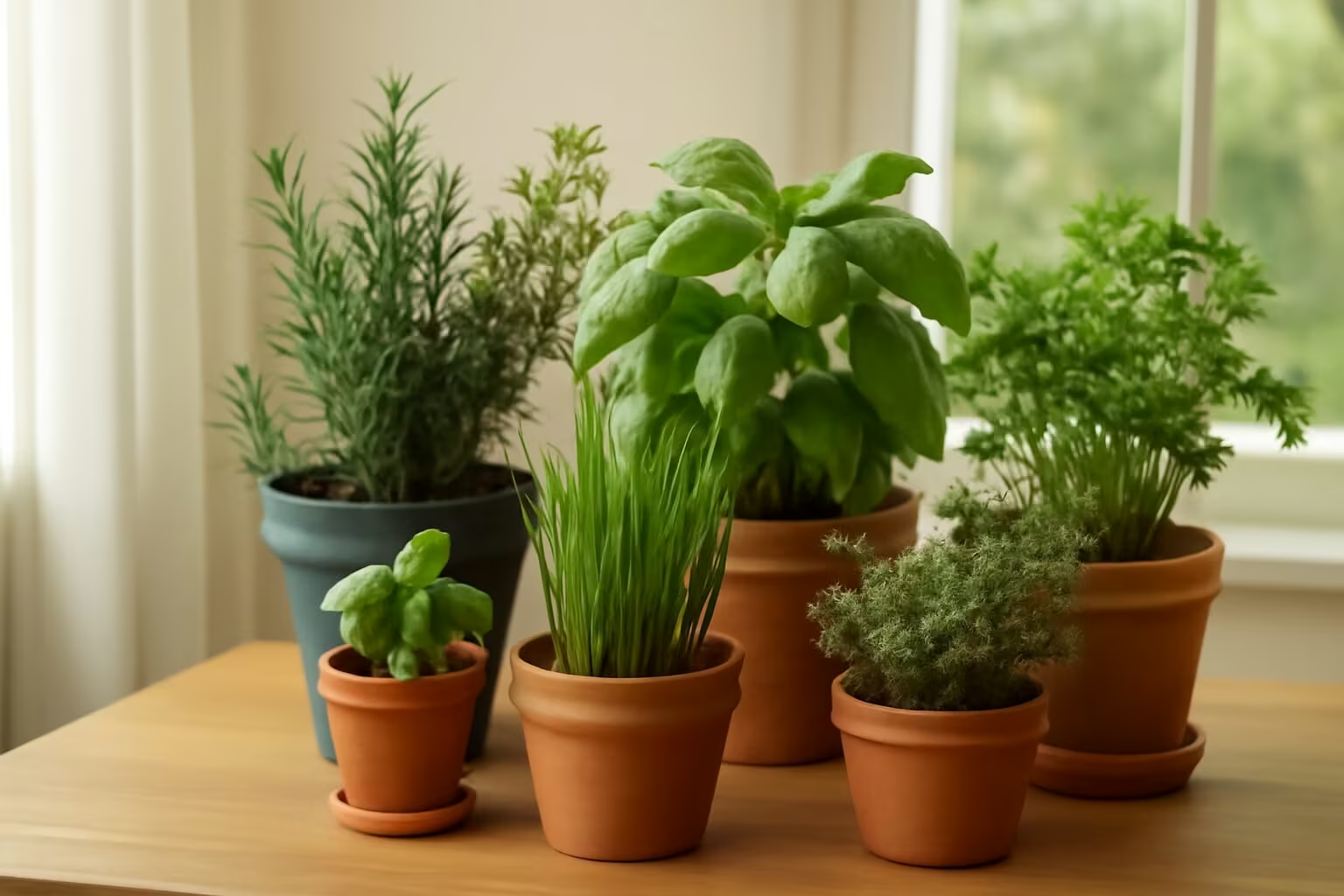
There’s something incredibly satisfying about growing your own herbs. Not only do fresh herbs enhance the flavor of your meals, but they also provide a delightful, aromatic addition to your home. Starting your own herb garden doesn’t require a lot of space, making it perfect for apartments, balconies, or even small kitchens. Whether you’re a seasoned gardener or a beginner, cultivating your own herbs is a fun and rewarding way to ensure you always have fresh, homegrown ingredients at your fingertips. In this article, we’ll walk you through how to create your own herb garden at home and give you tips for success.
1. Choose the Right Location
Before you start planting, it’s important to find the best location for your herb garden. Herbs thrive in places where they can receive the right amount of sunlight, have well-drained soil, and get enough air circulation.
Indoor Herb Garden
- Light: Most herbs need at least 4-6 hours of sunlight each day. If you don’t have a sunny window, you can supplement with artificial grow lights.
- Temperature: Most herbs grow best in a temperature range of 65-75°F (18-24°C). Keep them away from drafty windows and air conditioners.
- Humidity: Herbs typically prefer moderate humidity. Avoid placing them too close to heating vents or radiators that can dry them out.
Outdoor Herb Garden
- Sun Exposure: Most herbs, such as basil, thyme, and rosemary, love full sun and need at least 6 hours of sunlight a day. If you have a sunny balcony, patio, or a small garden, these are great places for outdoor herbs.
- Soil: Herbs prefer well-drained, slightly sandy soil. If you’re growing them outdoors, consider testing your soil for proper drainage. You can improve drainage by adding compost or sand to the soil.
Tip: If you’re limited on space, consider vertical gardens or hanging pots. These solutions maximize space and still allow you to grow a variety of herbs.
2. Select the Right Herbs to Grow
When selecting herbs for your garden, consider both your culinary preferences and the growing conditions of each plant. Some herbs grow easily indoors, while others need more sunlight and thrive outside. Here are a few popular herbs you can start with:
- Basil: A must-have for many Italian dishes and pesto. It needs plenty of sunlight and warmth.
- Thyme: A hardy herb that grows well in a variety of conditions and is perfect for cooking meats and vegetables.
- Rosemary: A fragrant, evergreen herb that does well both indoors and outdoors. It prefers dry, well-drained soil.
- Mint: A fast-growing herb that can be invasive, so it’s best grown in pots. It’s perfect for teas, cocktails, and desserts.
- Parsley: Rich in vitamins, parsley is a versatile herb that can grow indoors or outdoors. It needs regular watering.
- Chives: An easy-to-grow herb that thrives in most conditions. It adds a mild onion flavor to dishes.
- Cilantro: Common in Latin and Asian cuisines, cilantro grows quickly and needs a cooler environment to thrive.
- Oregano: A hardy herb that grows well in containers or in the ground. It’s perfect for Mediterranean and Italian dishes.
Tip: If you’re just starting, select herbs that you use most often in your cooking, so you can maximize the utility of your garden.
3. Containers vs. Ground Planting
If you have limited space or want to move your herbs indoors during the colder months, containers are a great option. However, if you have a garden space available, planting herbs in the ground offers some additional benefits.
Container Gardening
- Mobility: The great advantage of container gardening is that you can move your pots around to find the optimal light exposure for your plants.
- Soil Control: Containers allow you to control the type of soil your herbs grow in, ensuring they have the proper drainage and nutrients.
- Small Space: Perfect for apartment dwellers or those with limited outdoor space, containers can be placed on windowsills, balconies, or patios.
Ground Planting
- Root Expansion: Herbs planted in the ground have the space to grow deeper roots, which may result in healthier, more robust plants.
- Less Maintenance: While containers require regular watering and soil amendments, ground-planted herbs often need less attention once established.
- More Space: Growing herbs in the ground allows for more room to plant a larger variety of herbs.
Tip: If you are planting in containers, ensure each pot has proper drainage holes to prevent water from accumulating and rotting the roots.
4. Planting Your Herbs
Once you’ve chosen the right spot and herbs, it’s time to start planting. Whether you’re using containers or garden beds, follow these steps:
- Prepare the Soil: If you’re planting in containers, use a well-draining potting mix. For outdoor planting, amend the soil with compost or organic matter to ensure good drainage.
- Planting Depth: Follow the instructions on the seed packet or plant tag for planting depth. Most herbs should be planted at the same depth they were in their original container.
- Spacing: If planting in the ground, make sure to leave enough space between each herb. Most herbs require a few inches of space between each plant to allow for proper growth.
- Watering: Water your newly planted herbs gently. Ensure the soil is moist but not soggy. Herbs typically need less water than most other plants, so be sure not to overwater.
Tip: When planting herbs in containers, use pots that are large enough to give the roots room to grow but not so large that they retain too much water.
5. Caring for Your Herb Garden
Herbs are relatively low-maintenance, but there are a few key things to keep in mind to ensure they grow well and stay healthy:
- Watering: Most herbs prefer soil that is allowed to dry out slightly between waterings. Water thoroughly, ensuring that water reaches the roots, but avoid letting the plants sit in water.
- Sunlight: Ensure your herbs are getting the proper amount of sunlight. If they are indoors, place them near a window that gets plenty of light, or use grow lights to supplement.
- Fertilizing: Fertilize your herbs every 4-6 weeks with a balanced, water-soluble fertilizer. Herbs typically do well with light feeding, so avoid over-fertilizing.
- Pruning: Regularly prune your herbs to promote bushy growth and prevent them from becoming leggy. Remove any dead leaves or flowers to encourage the plant to focus on new growth.
Tip: Regularly harvest your herbs. Cutting back the leaves encourages the plant to produce more, and you’ll always have fresh herbs ready to use.
6. Harvesting Your Herbs
Herbs are best when harvested at their peak of flavor. Here’s how to harvest them:
- Timing: The best time to harvest herbs is in the morning after the dew has dried but before the heat of the day. This is when the essential oils and flavors are most concentrated.
- Cutting: Use sharp scissors or pruning shears to cut leaves and stems. For many herbs, it’s best to cut just above a leaf node to encourage further growth.
- Don’t Over-Harvest: Never remove more than one-third of the plant at a time to ensure it continues to grow strong.
Tip: After harvesting, some herbs like basil and mint can be dried or frozen for later use, so you can enjoy them all year long.
Conclusion
Starting your own herb garden is an easy and rewarding way to grow fresh, flavorful ingredients for your meals. Whether you have space for a small indoor herb garden or a larger outdoor garden, herbs are adaptable and can thrive with the right care. By choosing the right location, selecting the best herbs, and following simple maintenance guidelines, you can enjoy homegrown herbs throughout the year. Happy gardening, and enjoy the vibrant flavors of your fresh herbs!