
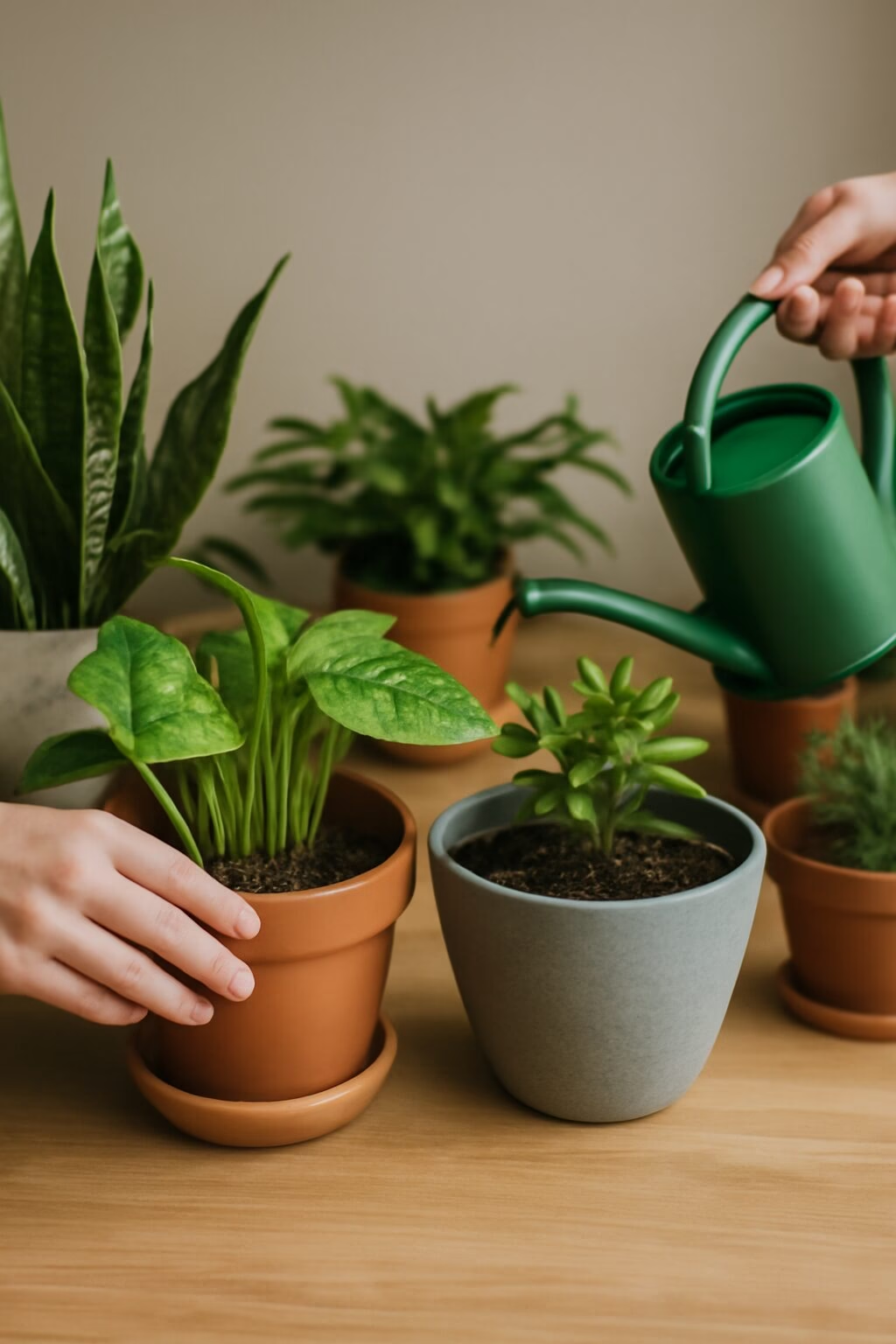
Watering your plants seems like a simple task, but it’s one of the most common mistakes gardeners make. Too little water, and your plants will dry up; too much water, and they might drown. Knowing how to water your plants properly is crucial for their health and longevity. Whether you’re a beginner or an experienced gardener, understanding the best practices for watering can ensure your plants thrive.
In this guide, we’ll cover everything you need to know about watering your plants correctly, including how to assess watering needs, how to avoid overwatering, and tips for different types of plants.
1. Understanding Plant Watering Needs
Each plant has different water requirements depending on factors like its size, type, and growing conditions. Some plants thrive with a lot of water, while others prefer to dry out between waterings.
Key factors influencing watering needs:
- Plant Type: Succulents, cacti, and other drought-tolerant plants need far less water than tropical plants, which thrive in consistently moist soil.
- Pot Size and Type: Smaller pots tend to dry out more quickly than larger ones. Additionally, pots with good drainage will allow excess water to escape, preventing root rot.
- Environment: Plants in hot, dry climates require more frequent watering than those in cooler or more humid environments. Indoor plants may also require less water compared to outdoor ones due to lower evaporation rates.
How to assess watering needs:
- Check the soil moisture: Always feel the top 1-2 inches of soil before watering. If the soil feels dry, it’s time to water. If it’s still moist, wait a day or two before checking again.
- Know your plant’s specific needs: Research the particular needs of each plant in your care. While most plants need regular watering, some like orchids, cacti, or succulents prefer to dry out completely between waterings.
2. The Right Watering Technique
The way you water your plants is just as important as how often you water them. Incorrect watering techniques can lead to root rot, nutrient imbalances, or even plant stress.
Best watering practices:
- Water deeply: When watering, ensure that you water deeply enough for the moisture to reach the root system. Shallow watering, where only the topsoil is moistened, leads to weak roots that can’t access the water deeper in the pot.
- Water at the base: Avoid getting water on the leaves or flowers unless your plant specifically requires it. Wet leaves can invite fungal diseases or mold. Focus on watering the soil directly around the base of the plant.
- Water evenly: Distribute the water evenly over the soil surface so that it reaches all the roots. This helps prevent uneven growth, as roots in dry areas may not develop properly.
3. How to Avoid Overwatering
Overwatering is one of the leading causes of plant death. When plants sit in soggy soil, they are unable to absorb oxygen, and the roots begin to rot. It’s essential to know how to avoid overwatering.
Signs of overwatering:
- Yellowing leaves: If your plant’s leaves turn yellow and start to fall off, it may be an indication that the roots are drowning.
- Root rot: If you notice a foul smell when you check the soil, or if the plant becomes mushy and soft, root rot is likely present.
- Mold growth: Mold or fungus around the base of the plant or the surface of the soil is another sign of excessive moisture.
How to avoid overwatering:
- Ensure good drainage: Always use pots with drainage holes to allow excess water to escape. Without drainage, the soil can become waterlogged, leading to root rot.
- Allow the soil to dry out: Wait for the soil to dry out before watering again. This will give the roots enough time to absorb the water and prevent them from sitting in constant moisture.
- Use the finger test: Stick your finger about 1 inch into the soil. If it feels moist, skip the watering for the day. If it feels dry, then it’s time to water.
4. How to Water Different Types of Plants
Not all plants require the same watering schedule. Understanding the specific needs of different types of plants can help you prevent over- or underwatering.
Watering tropical plants:
- Tropical plants, such as ferns and peace lilies, thrive in moist environments and need to be watered regularly.
- Make sure the soil stays consistently moist but not soggy. Check the soil every few days and water when the top 1-2 inches of soil feel dry.
Watering succulents and cacti:
- Succulents and cacti prefer dry conditions and don’t need frequent watering. In fact, they thrive in drier, well-drained soil.
- Water sparingly, allowing the soil to dry out completely between waterings. During the winter, when many succulents go dormant, reduce watering even further.
Watering flowering plants:
- Flowering plants need regular watering to keep their blooms vibrant, but they don’t like sitting in soggy soil.
- Water these plants when the top 1 inch of soil is dry, but be sure the pot has good drainage to avoid waterlogged roots.
Watering herbs:
- Herbs, like basil, mint, and thyme, prefer moist but well-draining soil. They need more frequent watering than succulents, but not as much as tropical plants.
- Keep the soil consistently moist, but ensure the pot drains well to prevent root rot.
5. The Best Time to Water Your Plants
The timing of watering is just as important as the technique itself. Watering at the wrong time of day can lead to moisture loss or stress to the plant.
Best times to water:
- Morning: The best time to water most plants is early in the morning before the heat of the day. Watering in the morning allows the plants to absorb moisture before the sun evaporates it.
- Evening: If you can’t water in the morning, evening is the next best option. However, avoid watering too late in the evening, as the soil will stay wet overnight, potentially leading to root rot.
Avoid watering during the hottest part of the day: Watering during the midday heat can cause the water to evaporate too quickly, preventing the plant from absorbing it properly. Plus, water droplets on leaves may cause sunburn.
6. Tools for Watering Plants
Using the right tools can make watering more efficient and help you water your plants effectively. Here are a few tools that can help you achieve the best results:
Watering can: A watering can with a long spout helps direct water precisely where it’s needed, especially for smaller plants and indoor gardens.
Spray bottle: For plants that need occasional misting, like ferns and tropical plants, a spray bottle is ideal. Misting helps to increase humidity around the plant, mimicking its native environment.
Watering wand: For larger plants or outdoor gardens, a watering wand can help you reach high places or water multiple plants at once with ease.
7. Special Tips for Indoor Plants
Indoor plants can have slightly different watering needs compared to outdoor plants due to lower humidity levels and less airflow.
Indoor watering tips:
- Humidity: Indoor plants often need higher humidity than outdoor plants. If you live in a dry climate, consider using a humidifier or placing plants on trays of pebbles with water to increase the moisture around the plant.
- Water with room temperature water: Use water that’s at room temperature, as cold or hot water can shock the plant’s roots.
Final Thoughts on Proper Plant Watering
Watering is an essential skill for every gardener, but it’s not always straightforward. By understanding your plant’s specific needs, watering deeply and evenly, and paying attention to the signs of over or underwatering, you can keep your plants healthy and thriving.
With the tips in this guide, you’ll be well-equipped to water your plants properly and give them the best possible chance to flourish. Happy gardening!
This article aims to provide a thorough guide on how to water your plants correctly, ensuring healthy growth and longevity.