
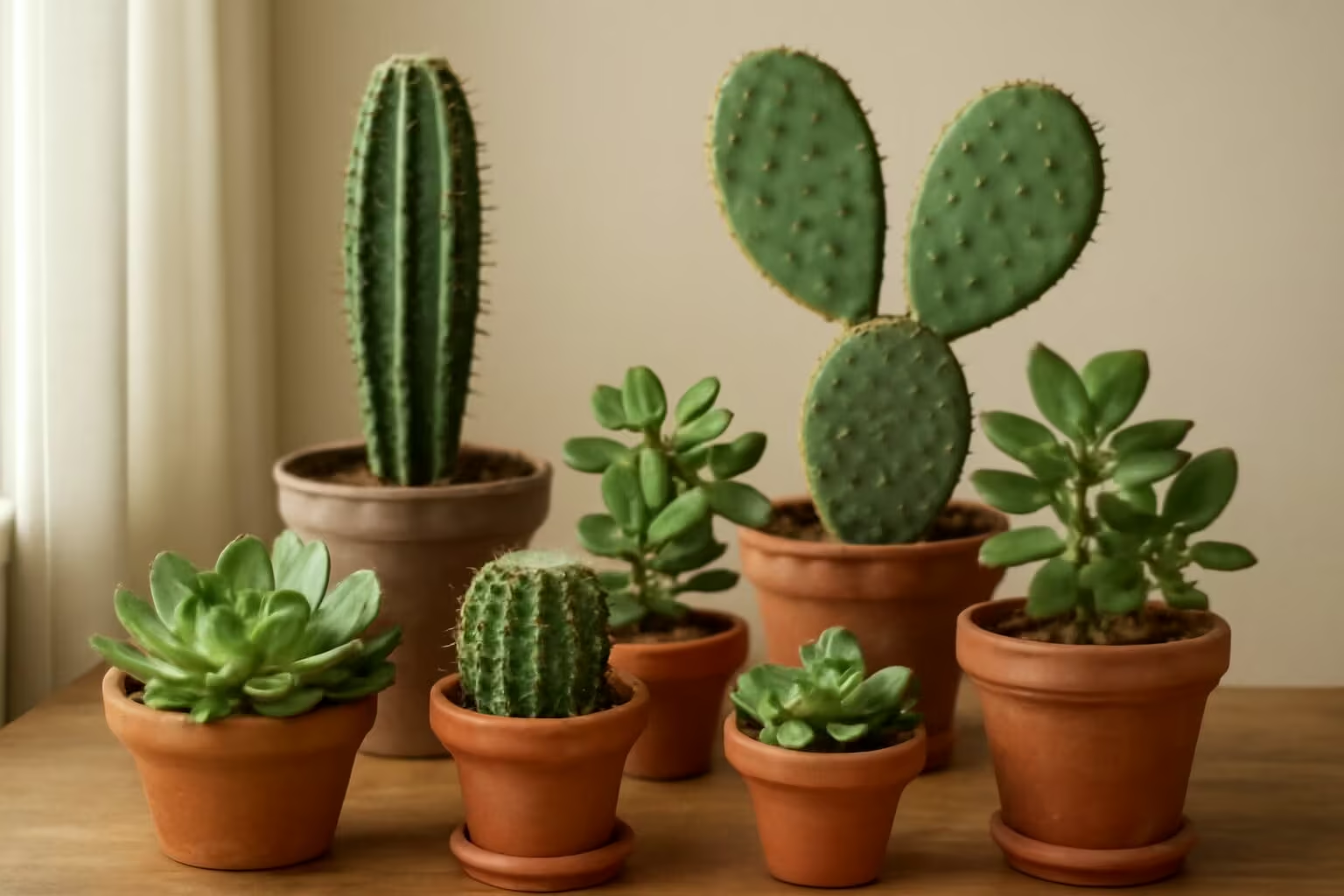
Caring for plants can be an incredibly rewarding hobby, but if you’re just starting out, it’s important to choose species that are easy to maintain. Cacti and succulents are perfect options for beginners due to their hardy nature, low maintenance needs, and beautiful, unique appearances. These plants require minimal care, making them ideal for those who may not have a green thumb—or those who lead busy lives. In this article, we’ll guide you on how to care for cacti and succulents, ensuring they thrive and become vibrant additions to your home.
1. Understanding Cacti and Succulents
Before diving into the care tips, it’s essential to understand the difference between cacti and succulents. While these two plant groups share similarities, they are not the same.
- Cacti: Cacti are a family of plants that have evolved to thrive in dry, desert environments. They are known for their thick, fleshy stems, often covered with spines or hair. Unlike other plants, most cacti do not have leaves. Instead, their stems are specialized to store water, which helps them survive in arid conditions.
- Succulents: Succulents are a broader category of plants that store water in their thick, fleshy leaves, stems, or roots. While all cacti are succulents, not all succulents are cacti. Succulents come in a wide variety of shapes, sizes, and colors, from the well-known aloe vera and jade plant to the trendy echeveria and sedum.
Both cacti and succulents are adapted to survive with minimal water and can endure periods of neglect. However, understanding their specific needs will help them thrive.
2. Choosing the Right Location
Both cacti and succulents are sun-loving plants that thrive in bright, indirect sunlight. Finding the right spot for them in your home is crucial for their health.
- Bright Light: Most cacti and succulents require at least 4–6 hours of bright, indirect sunlight every day. A south or west-facing window is ideal for these plants. If natural light is limited, consider using grow lights to provide the necessary light.
- Avoid Direct Sunlight: While they love sunlight, direct sun can scorch the delicate leaves and stems of succulents and cacti. If you’re placing your plants near a window that gets intense direct sun, consider using sheer curtains to filter the light.
- Indoor vs. Outdoor: Cacti and succulents can be kept outdoors if you live in a region with warm temperatures year-round. However, if you live in a colder climate, it’s best to keep them inside during the colder months to protect them from frost.
Tip: If your plants are stretching toward the light, it may be a sign they need more sunlight. This is common in indoor environments where light can be limited.
3. Watering: The Most Important Factor
Watering is one of the most crucial—and often misunderstood—parts of caring for cacti and succulents. Overwatering is a common mistake that leads to root rot and other problems, so it’s essential to find the right balance.
- Watering Frequency: The frequency of watering depends on several factors, including the size of the plant, the pot size, the temperature, and the humidity in your home. As a general rule, water your cacti and succulents every 1-2 weeks during the growing season (spring and summer) and reduce watering during the dormant period (fall and winter).
- Check the Soil: Always check the soil before watering. Stick your finger into the soil about 1–2 inches deep. If it feels dry, it’s time to water; if it still feels moist, wait another few days before checking again.
- Watering Method: When you water, do so thoroughly, ensuring the water reaches the roots. Let the water flow out of the drainage holes at the bottom of the pot to avoid waterlogging the plant. Never let the plant sit in water, as this can lead to root rot.
- Deep Watering vs. Frequent Shallow Watering: It’s better to water deeply and less frequently than to water a little bit every day. Succulents and cacti are adapted to dry conditions, so they prefer deep watering sessions that mimic rainfall in their natural habitats.
Tip: If your plant is becoming leggy or its leaves are soft and mushy, it could be a sign of overwatering. Conversely, if the leaves are shriveled or dry, it might be under-watered.
4. Potting and Soil
Cacti and succulents have specific soil and potting requirements that help them thrive.
- Well-Draining Soil: Both types of plants require well-draining soil that allows excess water to flow through easily. Cactus soil or a mix of regular potting soil with added sand or perlite works well for cacti. For succulents, a succulent-specific soil mix is ideal, or you can create your own by mixing regular potting soil with sand or perlite to increase drainage.
- Choosing the Right Pot: Always choose pots with drainage holes to prevent water from accumulating at the bottom. Excess water can cause the roots to rot, so a pot with drainage allows the soil to dry out between waterings.
- Repotting: Cacti and succulents grow slowly, but they do need to be repotted occasionally. When the plant outgrows its pot or when the soil has become compacted, it’s time to repot. Aim to repot every 1-2 years or when you notice the roots becoming root-bound (crowded and tangled).
Tip: If you’re repotting a cactus, wear gloves to protect your hands from the spines. You can also use tongs or a folded towel to handle the plant.
5. Fertilizing: Encouraging Growth
Fertilizing is not necessary for most cacti and succulents, but if you want to encourage vigorous growth, you can provide some extra nutrients during the growing season.
- Type of Fertilizer: Use a balanced, water-soluble fertilizer diluted to half strength. A fertilizer designed for cacti and succulents is ideal, but any general-purpose fertilizer will work.
- Fertilizing Frequency: Fertilize during the spring and summer when the plant is actively growing. During the fall and winter, most cacti and succulents enter dormancy, so they won’t need fertilizing.
- Over-fertilizing: Avoid over-fertilizing, as this can cause damage to the plant. Too much fertilizer can lead to soft, weak growth and may even burn the roots.
Tip: If you notice yellowing leaves or slow growth, it could be a sign your plant needs a little more nourishment.
6. Dealing with Pests and Diseases
Though cacti and succulents are generally hardy, they are not immune to pests and diseases. The most common pests that affect these plants are mealybugs, aphids, and spider mites.
- Inspect Regularly: Check your plants regularly for signs of pests. Look for small, white cotton-like spots (mealybugs), tiny webs (spider mites), or discolored leaves (aphids).
- Treating Pests: If you spot pests, you can treat the plant with insecticidal soap or a homemade solution of water and dish soap. For spider mites, a strong stream of water can help remove them from the plant.
- Avoid Overcrowding: Keep your plants well-spaced to improve air circulation and reduce the chances of pest infestations. Cacti and succulents are generally more resistant to diseases when they have good airflow around them.
Tip: If you have multiple plants, quarantine a new plant for a couple of weeks before introducing it to your collection to avoid spreading pests or diseases.
7. Winter Care
Cacti and succulents often go into a dormant phase during the winter months. This means their growth slows down, and they require less water and nutrients.
- Reduce Watering: During winter, reduce watering to once every 3-4 weeks or whenever the soil is completely dry. Overwatering during this period can lead to root rot.
- Keep Them Warm: Ensure your plants are kept in a warm environment, away from drafts and cold windows. Frost can damage cacti and succulents, so make sure the temperature stays above 50°F (10°C).
- Less Fertilizer: Stop fertilizing during the winter months to avoid stimulating new growth, which can be detrimental during the dormant period.
Conclusion
Caring for cacti and succulents can be an enjoyable and easy way to start your plant journey. These plants are perfect for beginners because they require minimal maintenance, are hardy, and can thrive in many different environments. By following the right care guidelines—such as choosing the right location, watering appropriately, providing well-draining soil, and dealing with pests promptly—you can enjoy healthy, vibrant cacti and succulents in your home for years to come.
Remember, the key to success with these plants is consistency, observation, and patience. With a little effort, you’ll find that cacti and succulents can be a beautiful and low-maintenance addition to any room. Happy planting!