
In today’s world, many of us spend the majority of our time indoors, whether at home or at work. Unfortunately, indoor air can often be more polluted than outdoor air, due to dust, chemicals, and a lack of proper ventilation. Airborne toxins, such as formaldehyde, benzene, and volatile organic compounds (VOCs), can negatively affect our health and well-being.
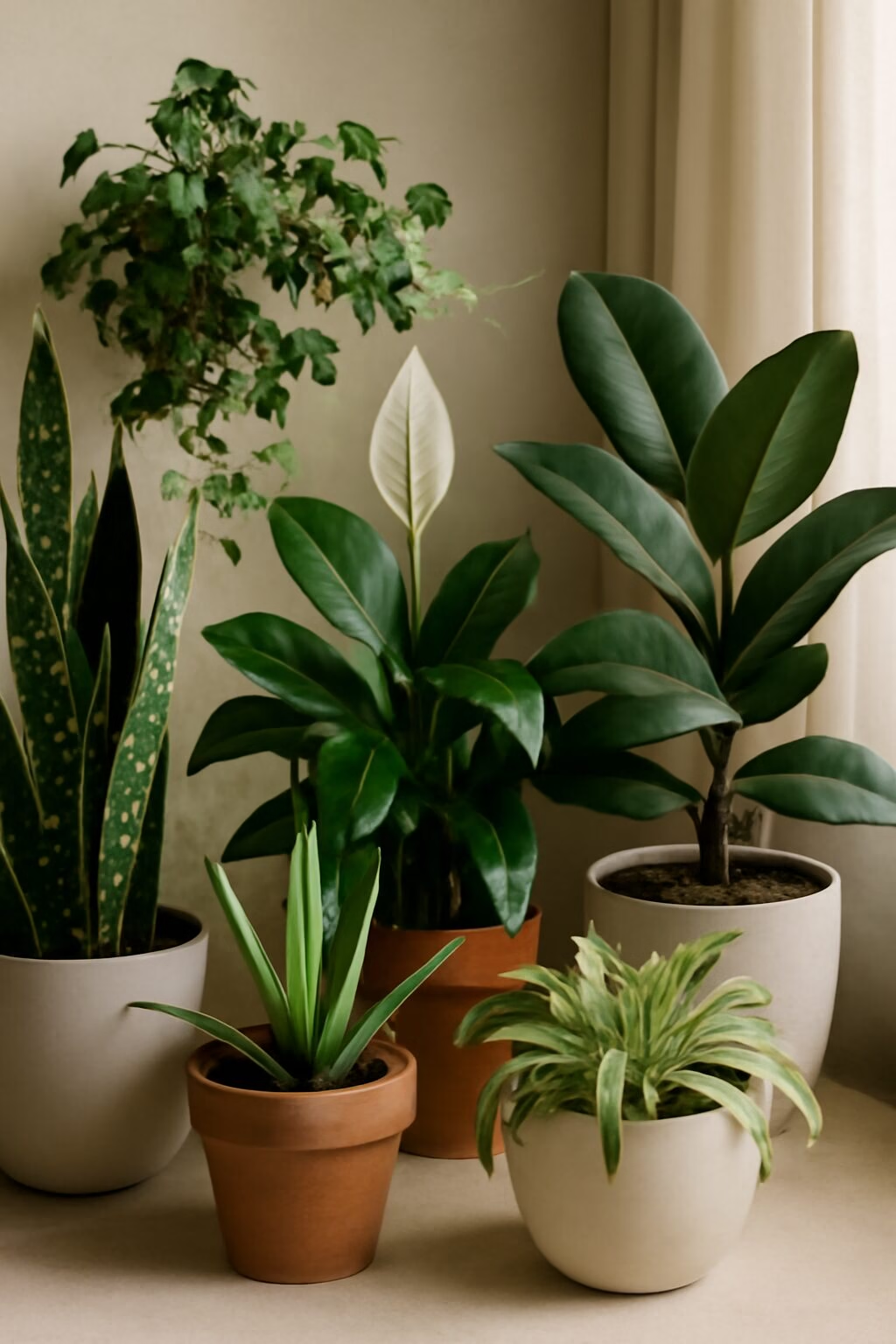
One effective and natural way to improve the quality of the air inside your home is by incorporating air-purifying plants. Certain plants have been shown to absorb harmful chemicals, increase humidity, and even improve mood and productivity. By introducing these green powerhouses into your living space, you can breathe easier, reduce allergens, and create a healthier indoor environment.
In this article, we will explore the best plants for purifying indoor air and how to use them to create a fresher, cleaner atmosphere in your home.
1. Why Choose Plants to Purify the Air?
Plants are natural air purifiers that help remove harmful toxins from the air through a process known as phytoremediation. During this process, plants absorb chemicals through their leaves and roots, converting them into less harmful substances or storing them in their tissue.
In addition to purifying the air, plants also release oxygen during photosynthesis, helping to improve the overall quality of the air you breathe. They can also help regulate indoor humidity, which can further improve your health by reducing dryness and respiratory issues.
By incorporating the right plants into your home, you can enjoy several benefits:
- Removal of harmful toxins: Plants can help filter common indoor pollutants such as formaldehyde, benzene, and trichloroethylene.
- Increased oxygen levels: Plants naturally release oxygen, which can improve air quality and contribute to a more refreshing indoor environment.
- Improved humidity: Many plants increase the moisture in the air, which can alleviate dry skin, respiratory issues, and allergies.
- Aesthetic appeal: Air-purifying plants also add a touch of beauty to your living space, helping to create a calming and refreshing atmosphere.
2. Best Air-Purifying Plants
Several plants are known for their exceptional ability to purify the air. Here are some of the best indoor plants that can improve air quality in your home:
1. Spider Plant (Chlorophytum comosum)
- The spider plant is one of the easiest plants to care for and is incredibly effective at removing toxins from the air. It can filter out formaldehyde, xylene, and toluene, which are commonly found in household products.
- Care tips: Spider plants thrive in indirect light and moderate watering. They are also pet-friendly, making them a great option for homes with animals.
2. Snake Plant (Sansevieria trifasciata)
- Known for its ability to survive in low light conditions, the snake plant is a champion air purifier. It absorbs formaldehyde, benzene, xylene, and trichloroethylene. In fact, it’s one of NASA’s top air-purifying plants.
- Care tips: Snake plants are low-maintenance and can tolerate dry conditions. Be sure to allow the soil to dry out between waterings.
3. Peace Lily (Spathiphyllum)
- Peace lilies are not only beautiful with their elegant white flowers, but they also purify the air by removing harmful chemicals like formaldehyde, benzene, and ammonia. They are known to be one of the most effective plants for improving indoor air quality.
- Care tips: Peace lilies prefer indirect light and moderate watering. They thrive in a humid environment, so they are perfect for kitchens or bathrooms.
4. Aloe Vera (Aloe barbadensis miller)
- Aloe vera is well-known for its healing properties, but it’s also a great air purifier. It helps remove formaldehyde and benzene from the air. In addition, aloe vera can improve humidity levels in your home.
- Care tips: Aloe vera requires bright, indirect light and needs to be watered infrequently, as it is a succulent.
5. Bamboo Palm (Chamaedorea seifrizii)
- The bamboo palm is an excellent air-purifying plant that removes benzene, trichloroethylene, and formaldehyde. It also increases humidity, which can help with dry skin and respiratory problems.
- Care tips: Bamboo palms prefer bright, indirect light and moderate watering. They thrive in humid environments, so they are ideal for kitchens or bathrooms.
6. English Ivy (Hedera helix)
- English ivy is a versatile plant that can purify the air by removing toxins like benzene, formaldehyde, and trichloroethylene. It also helps reduce mold in the air by absorbing moisture.
- Care tips: Ivy prefers indirect light and regular watering. It can be grown as a hanging plant or trained to climb a trellis.
7. Rubber Plant (Ficus elastica)
- The rubber plant is an excellent air purifier that removes formaldehyde and other VOCs from the air. It’s also great for adding a touch of greenery and height to your indoor space.
- Care tips: Rubber plants require bright, indirect light and moderate watering. Be sure to wipe the leaves occasionally to keep them dust-free and improve their air-purifying ability.
8. Areca Palm (Dypsis lutescens)
- Areca palms are not only beautiful but also very effective at removing formaldehyde, xylene, and toluene from the air. They are known to be one of the best plants for increasing humidity in dry indoor environments.
- Care tips: These palms thrive in bright, indirect light and need regular watering, though they should not be overwatered.
3. Tips for Using Plants to Purify the Air
While choosing the right plants is important, proper placement and care are essential for getting the most out of their air-purifying benefits. Here are a few tips for using plants to improve air quality in your home:
- Place plants where they’ll get enough light: Most air-purifying plants prefer indirect or filtered sunlight. Be sure to place them near windows where they can get sufficient light, but avoid placing them in direct sunlight for long periods, as this can cause them to wilt or burn.
- Don’t overcrowd your plants: To allow for maximum air purification, ensure that your plants have enough space to grow and spread their leaves. Too many plants in one area can lead to poor airflow and limit their ability to purify the air.
- Water and care for plants regularly: Healthy plants are better at purifying the air, so be sure to water them as needed and provide proper care. Dust the leaves regularly to allow them to breathe and maximize their air-purifying capabilities.
- Group plants together: Placing several air-purifying plants in close proximity can enhance their combined effect on air quality, especially in larger rooms or open areas.
4. Other Ways to Improve Indoor Air Quality
While adding air-purifying plants is a great step, it’s also important to adopt other practices to further improve your indoor air quality. Consider the following additional tips:
- Improve ventilation: Open windows regularly to let fresh air circulate throughout your home, especially after cooking or cleaning.
- Avoid indoor smoking: Cigarette smoke contains harmful chemicals that can significantly degrade air quality.
- Use natural cleaning products: Many commercial cleaning products contain VOCs that can pollute the air. Opt for natural or homemade cleaning solutions to reduce chemical exposure.
Final Thoughts: Breathe Easy with Air-Purifying Plants
By incorporating air-purifying plants into your home, you can create a healthier, more vibrant living space. Not only will these plants help remove harmful toxins from the air, but they will also provide a natural, calming atmosphere and enhance the overall beauty of your home.
Choose a variety of plants that suit your home’s lighting conditions and care requirements, and enjoy the benefits of cleaner, fresher air every day. With just a few simple changes, you’ll be able to breathe easier and live in a healthier environment.
This article provides an overview of the best plants to purify the air in your home and offers tips on how to use them to create a fresher, healthier living space.