
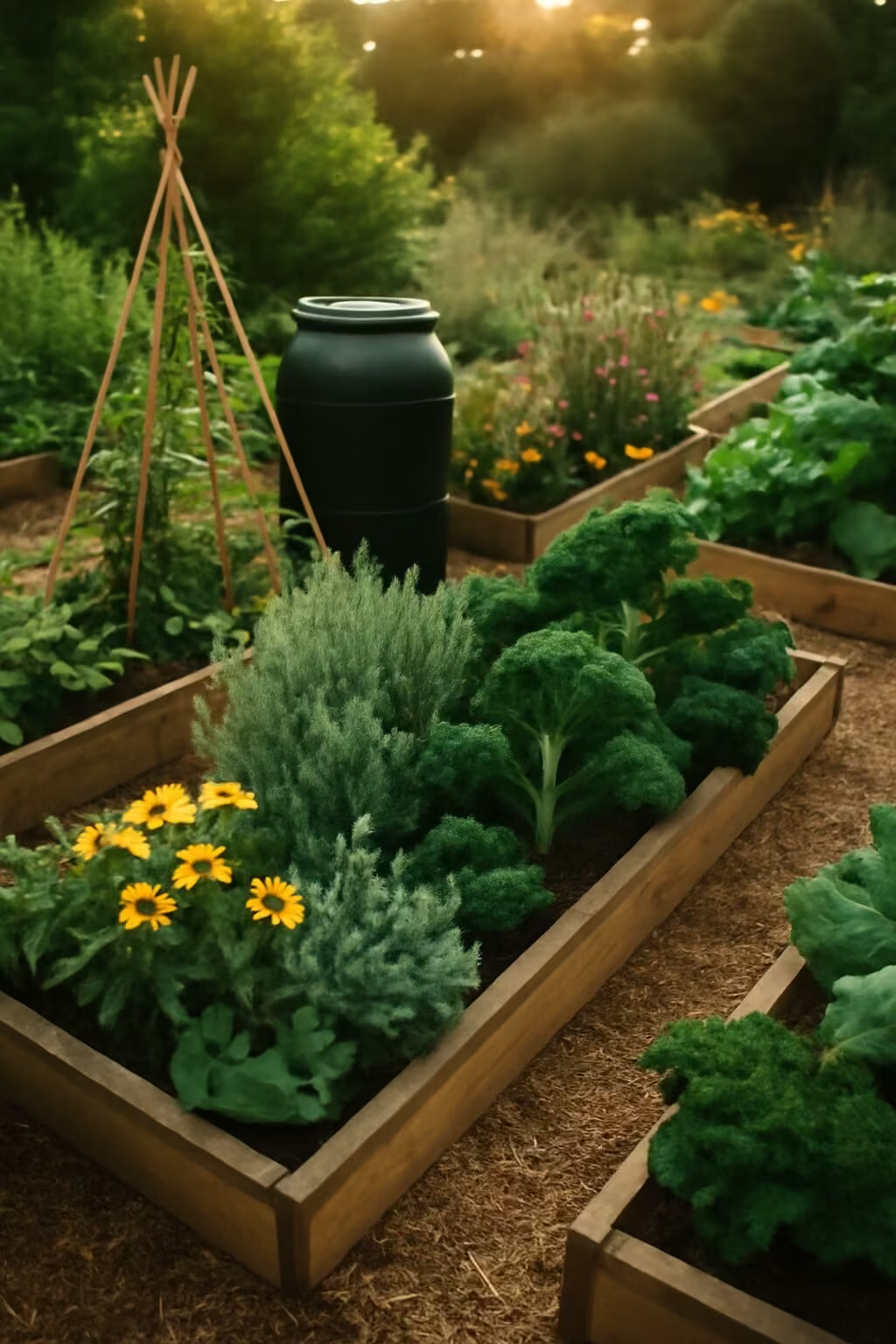
As concerns about climate change and environmental degradation grow, many people are looking for ways to reduce their environmental footprint. One area where individuals can make a significant difference is in gardening. By adopting sustainable gardening practices, you not only create a beautiful and healthy garden but also contribute positively to the environment. In this article, we will explore how to create a sustainable garden and provide you with practical tips to make your gardening more eco-friendly.
What is Sustainable Gardening?
Sustainable gardening is a way of gardening that aims to reduce environmental impact by using natural resources efficiently, conserving biodiversity, and minimizing waste. This approach focuses on working with nature rather than against it, creating a balanced ecosystem where plants, animals, and the environment coexist harmoniously. Sustainable gardening is not just about planting native species, but also about using resources wisely, reducing chemical use, and promoting biodiversity.
Benefits of a Sustainable Garden
- Environmental Impact: Sustainable gardening helps reduce pollution, conserve water, and protect local wildlife. By minimizing the use of synthetic chemicals and fertilizers, you prevent harmful substances from entering the ecosystem.
- Economic Savings: Sustainable gardening can save you money in the long run by reducing water usage, eliminating the need for chemical pesticides and fertilizers, and creating a self-sustaining ecosystem.
- Healthier Gardens: By focusing on soil health, biodiversity, and natural pest control, sustainable gardening promotes a healthier and more resilient garden. It also reduces exposure to harmful chemicals that can affect both humans and animals.
- Supports Biodiversity: A sustainable garden can serve as a habitat for a wide variety of local wildlife, from pollinators like bees and butterflies to birds and small mammals. This helps to maintain biodiversity in urban and suburban areas.
Key Principles of Sustainable Gardening
To create a sustainable garden, there are several core principles you should follow. These principles focus on reducing waste, conserving resources, and promoting biodiversity.
1. Use Native Plants
Native plants are adapted to the local climate and soil, making them easier to grow and maintain. They also provide vital food and habitat for local wildlife, including pollinators like bees and butterflies. By choosing native plants for your garden, you can reduce the need for fertilizers, pesticides, and excessive watering.
Here are some reasons to incorporate native plants into your garden:
- They require less water and fertilizer, making them more sustainable.
- They are naturally resistant to pests and diseases, reducing the need for chemical treatments.
- They support local wildlife by providing food, shelter, and nesting areas.
2. Conserve Water
Water conservation is one of the most important aspects of sustainable gardening. In many areas, water is a limited resource, and using it efficiently is essential for maintaining a healthy garden without wasting precious resources.
Here are some tips to conserve water in your garden:
- Install a rainwater harvesting system: Collect rainwater to use for watering your garden. This reduces the demand on local water supplies and ensures that your plants receive natural, untreated water.
- Use drought-tolerant plants: Many native and drought-tolerant plants can survive with minimal watering once established. Choose these types of plants to reduce the need for frequent watering.
- Mulch your garden: Apply a thick layer of mulch around your plants to help retain moisture in the soil and reduce evaporation. Mulch also helps suppress weeds and keeps the soil temperature stable.
- Water early or late: Water your garden in the early morning or late evening to minimize evaporation. Avoid watering during the heat of the day when the water is likely to evaporate before it reaches the roots.
3. Compost Organic Waste
Composting is one of the easiest and most effective ways to reduce waste and improve soil quality in your garden. By composting food scraps, yard waste, and plant material, you can create nutrient-rich compost that enhances the soil’s structure, promotes healthy plant growth, and reduces the need for synthetic fertilizers.
Composting also helps reduce the amount of organic waste that ends up in landfills, where it decomposes and releases harmful methane gas into the atmosphere.
To start composting:
- Choose a compost bin: Select a compost bin or create a compost pile in your garden. Make sure it is located in a well-ventilated area, away from direct sunlight.
- Add green and brown materials: Green materials include food scraps, grass clippings, and vegetable scraps, while brown materials include leaves, straw, and small twigs. A good balance of both is necessary for compost to break down efficiently.
- Turn your compost: Regularly turn your compost to provide oxygen and speed up the decomposition process.
4. Reduce Chemical Use
One of the hallmarks of sustainable gardening is the reduction of chemical fertilizers, pesticides, and herbicides. These chemicals can harm the environment, contaminate water supplies, and pose health risks to humans, animals, and beneficial insects like bees.
To reduce chemical use in your garden:
- Use organic fertilizers: Opt for organic fertilizers like compost, manure, or seaweed-based products. These provide nutrients to your plants without the harmful effects of synthetic chemicals.
- Practice integrated pest management (IPM): IPM is a sustainable approach to controlling pests that involves using natural predators, traps, and physical barriers rather than relying on chemical pesticides. You can also introduce beneficial insects like ladybugs and lacewings to control pests naturally.
- Plant pest-repellent plants: Certain plants, like marigolds, lavender, and basil, can naturally repel pests and reduce the need for chemical interventions.
5. Promote Biodiversity
A key aspect of sustainable gardening is promoting biodiversity. By creating a diverse garden with a variety of plants, you support different species of wildlife, increase soil health, and reduce the risk of plant diseases.
Here are ways to encourage biodiversity:
- Create habitats for wildlife: Install birdhouses, bat boxes, and insect hotels to provide shelter for local wildlife. Additionally, leaving a portion of your garden to grow wild can provide a safe haven for native plants and animals.
- Plant a variety of species: Choose a mix of flowers, shrubs, trees, and grasses to attract a variety of pollinators and beneficial insects. Include plants that flower at different times of the year to provide a continuous food source for wildlife.
- Avoid monocultures: Instead of planting large areas of a single species, mix different types of plants to create a balanced and resilient ecosystem.
6. Grow Your Own Food
Growing your own vegetables, fruits, and herbs is not only rewarding but also eco-friendly. By cultivating your own food, you reduce your carbon footprint by eliminating the need for transportation and packaging associated with store-bought produce.
Tips for growing your own food:
- Start small: If you’re new to gardening, start with a few easy-to-grow vegetables or herbs. Consider planting tomatoes, lettuce, or herbs like basil and mint.
- Practice companion planting: Some plants grow better together when planted near each other. For example, tomatoes and basil help each other thrive when planted together. Companion planting reduces the need for pesticides and promotes healthy growth.
- Use organic methods: Just as with your ornamental plants, grow food without the use of chemicals. Organic gardening practices support soil health and produce food that’s healthier for you and the environment.
Conclusion: A Greener, Healthier Future
Creating a sustainable garden is a rewarding endeavor that benefits not only you but also the environment. By following the principles of sustainable gardening—such as using native plants, conserving water, composting, reducing chemical use, and promoting biodiversity—you can create a beautiful and eco-friendly garden that supports local wildlife, conserves resources, and contributes to a healthier planet.
By embracing sustainable gardening practices, you can play a vital role in building a greener future, one garden at a time. Happy gardening!
This article covers the essential aspects of creating a sustainable garden, from selecting native plants to conserving water and reducing chemical use. It provides practical and actionable tips for anyone looking to embrace eco-friendly gardening practices.