
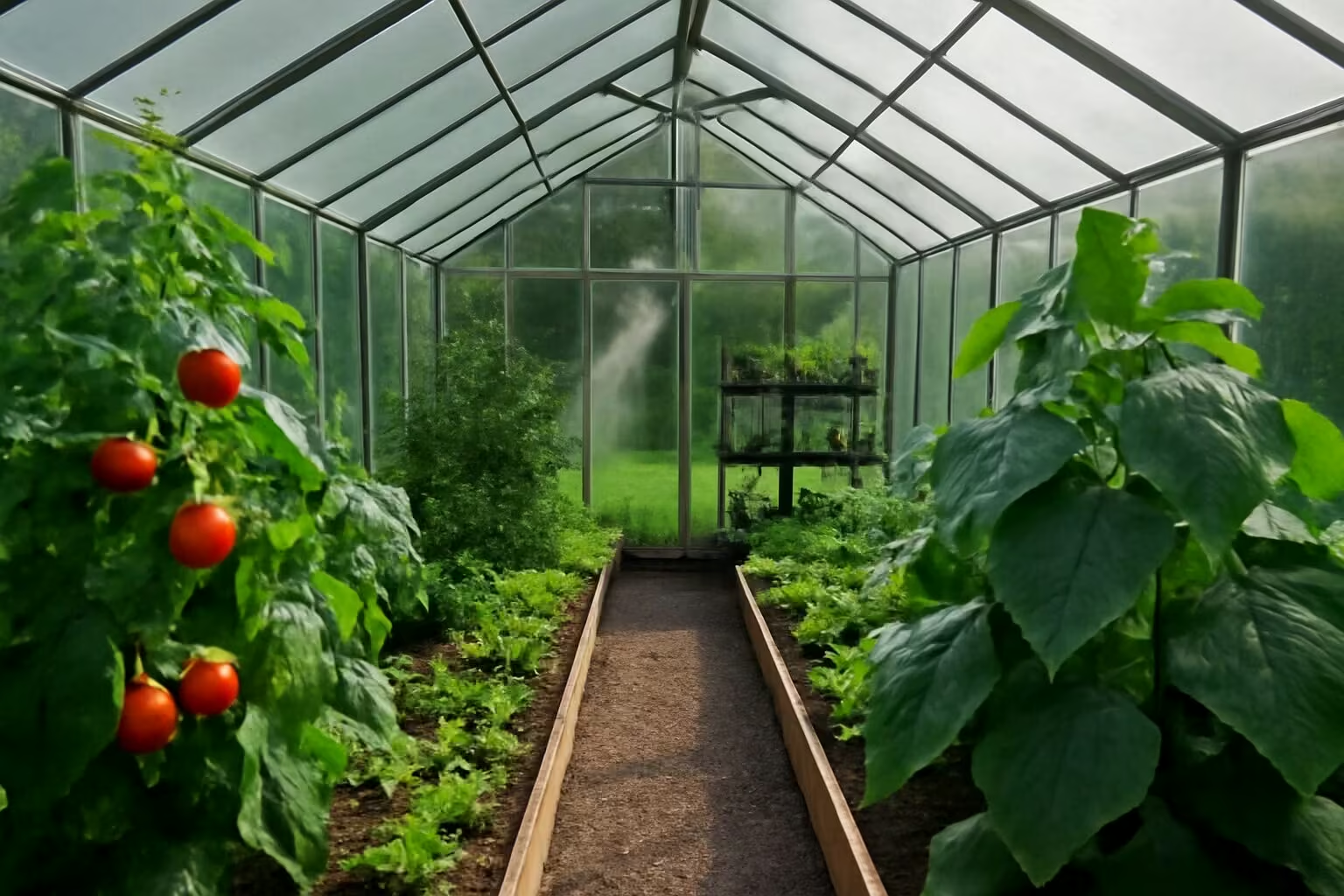
Greenhouses provide an ideal environment for growing a wide variety of plants, offering a controlled space where temperature, humidity, and light can be managed. Whether you are a beginner or an experienced gardener, understanding the special care required for greenhouse plants can significantly enhance their growth and productivity. In this article, we will explore essential tips to create the best conditions for your greenhouse plants.
Understanding the Greenhouse Environment
A greenhouse acts as a microclimate that protects plants from external weather conditions while providing them with the necessary environmental factors for growth. Unlike outdoor gardens, a greenhouse allows you to control critical factors like temperature, light, humidity, and air circulation. By creating the right balance of these elements, you ensure that your plants thrive.
Temperature Control
Temperature is one of the most important factors when it comes to greenhouse plant care. Most plants have a preferred temperature range in which they grow best, and this can vary significantly depending on the species.
- Warm-season plants, such as tomatoes and peppers, generally prefer temperatures between 70°F and 85°F (21°C to 29°C).
- Cool-season plants, such as lettuce and spinach, do better in temperatures ranging from 50°F to 65°F (10°C to 18°C).
To maintain the ideal temperature, consider using heating systems during the colder months and ventilation systems to cool down the greenhouse during hotter periods. Installing thermometers at different locations within the greenhouse can help you monitor temperature fluctuations and adjust accordingly.
Humidity Levels
Humidity plays a crucial role in plant health. Too little humidity can cause plants to dry out, while excessive moisture can lead to mold, mildew, and other fungal diseases. Most greenhouse plants require a humidity level between 50% and 60%.
To manage humidity:
- Misting systems can help increase moisture levels, especially during dry periods.
- Dehumidifiers are useful for controlling excess moisture, particularly during rainy or cooler months.
- Good air circulation is essential to prevent the buildup of humidity in stagnant air pockets.
Monitoring humidity levels regularly using a hygrometer will help you maintain an optimal environment for your plants.
Light and Shade Management
Light is another key factor in plant growth, and greenhouse plants generally need a lot of it. Greenhouses naturally allow more light than outdoor gardens, but controlling light intensity is still essential to prevent damage to plants.
- Full sun-loving plants like cucumbers and tomatoes may require direct exposure to sunlight for at least 6-8 hours a day.
- Shade-loving plants, such as lettuce and certain herbs, benefit from partial shading to protect them from the harsh midday sun.
Using shade nets or curtains can help diffuse direct sunlight, ensuring that your plants receive just the right amount of light. Reflective surfaces inside the greenhouse can also increase light intensity by bouncing light around the space.
Ventilation and Airflow
Proper ventilation is critical to prevent overheating and stagnant air inside the greenhouse. Without good airflow, the buildup of heat and humidity can cause stress to your plants, leading to poor growth and even disease outbreaks.
- Windows and vents should be opened regularly to allow fresh air to circulate.
- Exhaust fans help expel hot air, maintaining a stable internal environment.
- The placement of air ducts and fans should ensure uniform airflow, particularly to lower levels where temperature and humidity fluctuations are more common.
Regularly checking air circulation ensures that your plants benefit from a constant supply of carbon dioxide, which is essential for photosynthesis.
Watering Strategies
Watering is often the most time-consuming aspect of greenhouse plant care, but it is crucial for plant health. Overwatering or underwatering can both lead to plant stress and poor growth.
Consistent Watering
The key to successful watering is consistency. Greenhouse plants usually need more water than outdoor plants because they are grown in a controlled environment. However, the watering needs of plants can vary widely depending on factors such as temperature, humidity, and the type of plants you’re growing.
- Drip irrigation systems can be set up to provide consistent watering directly to the roots, ensuring that each plant receives the correct amount of water.
- Watering cans or hose attachments are useful for smaller greenhouses or for individual plants that require special attention.
Avoiding Water Stress
Watering should be done early in the day to ensure that the moisture evaporates before nightfall, preventing the growth of mold or mildew. It is also essential to avoid wetting the foliage, as damp leaves can encourage fungal infections. Always water at the base of the plant rather than overhead.
Soil and Fertilization
The right soil and proper fertilization are critical to plant health in a greenhouse. The soil needs to be well-draining yet capable of retaining enough moisture for the plants to thrive. Additionally, greenhouse plants generally benefit from regular feeding.
Choosing the Right Soil
Greenhouse soil should be loamy, meaning it contains a balance of sand, silt, and clay. You can purchase pre-mixed greenhouse soil or make your own by combining:
- 1 part sand for drainage,
- 1 part peat moss for moisture retention,
- 1 part compost for nutrients.
Ensure that the soil pH is suitable for the plants you are growing. Most plants prefer a slightly acidic to neutral pH (6.0 to 7.0).
Fertilizing Your Plants
Greenhouse plants often grow faster due to the controlled environment, which means they require more nutrients. Regular fertilization ensures that your plants get the essential nutrients they need to grow strong and healthy.
- Organic fertilizers provide a slow-release option, ensuring that plants receive consistent nourishment.
- Liquid fertilizers are absorbed quickly by plants and can be used to supplement nutrition during the growing season.
- Avoid over-fertilizing, as too much fertilizer can harm plants, leading to nutrient imbalances or root burn.
Pest and Disease Control
Even though a greenhouse offers protection from many pests, it is still susceptible to common plant diseases and pests. The closed environment can sometimes create the perfect breeding ground for issues like aphids, whiteflies, and fungal infections.
Preventive Measures
- Keep the greenhouse clean by regularly removing dead leaves and debris, which can attract pests and harbor disease.
- Ensure good air circulation to reduce the risk of fungal infections.
- Introduce beneficial insects like ladybugs or predatory mites to control harmful pests naturally.
Monitoring and Treatment
- Regularly inspect plants for signs of pests, such as distorted leaves, sticky residue, or visible insects.
- Use organic insecticides or biological controls when necessary, avoiding harsh chemicals that may harm beneficial insects and the greenhouse ecosystem.
Conclusion: Creating the Perfect Greenhouse Environment
Taking care of greenhouse plants requires careful attention to several environmental factors, including temperature, humidity, light, ventilation, watering, soil, fertilization, and pest control. By following these tips, you can create a thriving, healthy environment for your plants, ensuring they grow strong and productive year-round. Whether you are growing vegetables, flowers, or tropical plants, understanding and maintaining the right conditions is key to a successful greenhouse garden.
This article should be in line with Google AdSense’s requirements, offering valuable and original content. Let me know if you need further revisions or if you would like to proceed