
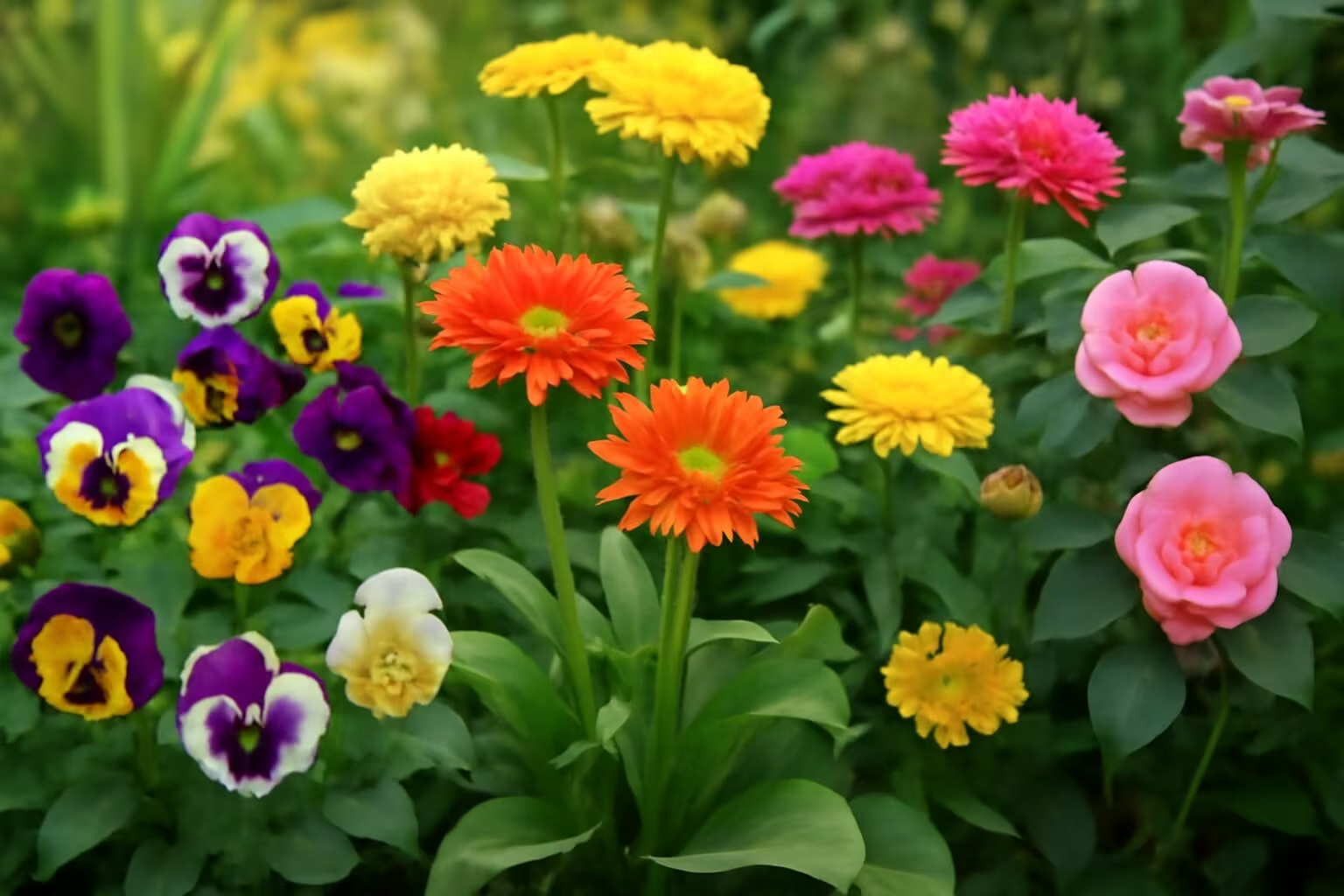
Imagine having a garden that offers vibrant color and beauty every month of the year. While many flowers are seasonal and bloom for only a short period, it is possible to cultivate flowers that provide continuous blooms throughout the year. With the right selection of plants and proper care, you can have a garden that stays colorful and lively no matter the season. In this article, we’ll explore tips on how to grow flowers that bloom year-round, bringing beauty and freshness to your garden every day.
1. Select the Right Flowers
The first step in ensuring year-round blooms is choosing the right types of flowers. Certain varieties are known for their extended blooming periods or for producing flowers in different seasons. Here are some flowers to consider for year-round blooming:
- Pansies: These hardy flowers can bloom in both spring and fall. With the right care, pansies can last throughout the cooler months, providing vibrant color in your garden.
- Geraniums: Available in a variety of colors, geraniums are known for their long blooming period. They can bloom from spring through fall, especially if you deadhead the spent blooms.
- Bougainvillea: This tropical vine offers continuous blooms with the right care and environment. Bougainvillea can bloom year-round in warm climates, making it an ideal choice for sunny spots.
- Chrysanthemums (Mums): Mums are known for their fall blooms, but some varieties can also bloom in late spring and summer, providing multi-season color.
- Camellias: These evergreen shrubs bloom during the winter months and into spring, filling your garden with colorful flowers when many other plants are dormant.
- Coreopsis: Known for its long blooming season, coreopsis can bloom from spring to fall. With proper pruning and care, they can provide a consistent show of color.
- Ixora: This tropical shrub produces small, colorful clusters of flowers and can bloom year-round in warmer climates.
Tip: Research your local climate zone to select the best flowering plants for year-round blooms in your area. Tropical flowers might be ideal for warmer climates, while cold-hardy flowers will thrive in cooler regions.
2. Provide Proper Care for Continuous Blooms
For flowers to bloom continuously, proper care is essential. Here are some key factors to consider:
Watering
Watering is critical for healthy blooms. Most flowering plants prefer evenly moist soil, but overwatering can lead to root rot. Ensure that your plants have proper drainage to prevent water from accumulating in the soil.
- Deep Watering: Water deeply but infrequently, ensuring that the water reaches the roots. This encourages healthy root growth, which is essential for continued blooming.
- Consistent Moisture: Keep the soil consistently moist during the growing season, especially for plants that require more water.
Fertilizing
To encourage continuous blooms, regular fertilizing is essential. Flowers need a good supply of nutrients to keep producing blooms. Choose a fertilizer that’s designed for flowering plants, which is typically higher in phosphorus, the nutrient responsible for promoting blooms.
- Slow-Release Fertilizer: Use a slow-release fertilizer to ensure that your plants receive a consistent supply of nutrients over time.
- Organic Fertilizers: Organic options such as compost or well-rotted manure can improve soil health and provide balanced nutrition for your flowers.
Pruning and Deadheading
Deadheading (removing spent flowers) encourages many plants to produce more blooms. By cutting off the dead flowers before they set seed, you prevent the plant from directing its energy into seed production, which allows it to focus on producing new flowers.
- Prune Regularly: Regularly trim back any dead or damaged stems and leaves to promote healthy growth and to keep your plants looking neat.
- Cut Back after Blooming: For some perennials, cutting them back after the first round of blooms can encourage a second, and sometimes third, round of flowering.
Tip: Be sure to prune your flowers at the right time. Pruning too early or late can affect their ability to bloom properly.
3. Planting in Containers for Flexibility
One of the best ways to have flowers bloom year-round, especially in climates with cold winters, is by planting in containers. Potted flowers can be moved to different areas to protect them from extreme weather and ensure they get the best conditions for blooming.
- Winter Protection: In colder climates, potted plants can be moved indoors or into a sheltered location during winter to prevent frost damage.
- Easy Access for Care: Containers make it easier to care for flowers, as you can easily monitor soil moisture, remove dead flowers, and provide fertilizer.
- Portable Blooms: If you have a small garden or balcony, growing flowers in containers gives you flexibility in arranging plants throughout the year, and they can be moved to catch the best sunlight.
Tip: Ensure that your containers have proper drainage and choose pots that are large enough to accommodate the roots of the plants as they grow.
4. Incorporate Companion Planting
Companion planting is a great strategy for ensuring your flowers bloom throughout the year. By planting certain flowers together, you can ensure that there is always something in bloom, as some plants will bloom in spring, others in summer, and still others in fall or winter.
- Early Bloomers: Start with early bloomers like crocuses, daffodils, and primroses that bloom in spring.
- Summer Bloomers: Include flowers like roses, lavender, and daisies, which bloom in the warmer months.
- Fall Bloomers: Add varieties like asters, mums, and dahlias that bloom in the cooler months.
- Winter Blooms: Incorporate camellias, hellebores, and winter jasmine for color during the colder months.
Tip: Plan your garden so that you always have flowers in bloom by carefully selecting plants that flower at different times of the year.
5. Temperature and Light Control
Flowering plants need the right balance of temperature and light to bloom properly. Different plants have different light requirements, and by adjusting the light exposure or temperature, you can encourage flowering.
- Full Sun: Many flowering plants thrive in full sun, meaning they need at least 6 hours of direct sunlight a day. Choose sunny spots in your garden for flowers like sunflowers and marigolds.
- Partial Shade: Some plants, like impatiens and begonias, do better in partial shade. These plants will still bloom in areas that receive some sun but are protected from the harsh midday heat.
- Temperature: Keep your flowers at the appropriate temperature for their variety. Cold-sensitive flowers should be moved indoors or into greenhouses during extreme cold.
Tip: Use a light meter to measure the amount of sunlight your garden gets and make adjustments if necessary to ensure your flowers get the right amount of light.
6. Mulching for Moisture and Protection
Mulch helps retain moisture, keeps the soil temperature stable, and protects the roots from the elements. Using organic mulch, such as wood chips, straw, or leaves, can also help improve the soil over time as it decomposes.
- Protects Roots: Mulch protects the roots from excessive heat in the summer and frost in the winter.
- Prevents Weeds: A thick layer of mulch can help prevent weeds from growing around your flowers, allowing them to take up the nutrients they need.
- Moisture Retention: Mulch helps to retain moisture in the soil, reducing the need for frequent watering.
Tip: Apply a layer of mulch 2-3 inches thick around your plants, but keep it away from the stems to prevent rot.
Conclusion
Growing flowers that bloom year-round requires thoughtful planning, care, and patience, but the reward is a garden filled with color and life at all times. By selecting the right plants, providing proper care, and managing your garden’s environment, you can enjoy continuous blooms throughout the year. Whether you’re looking to add color to your garden in the winter or ensure that there’s always something in bloom during the warmer months, the right approach will help you achieve a beautiful, vibrant garden that delights you and your visitors year-round. Happy gardening!