
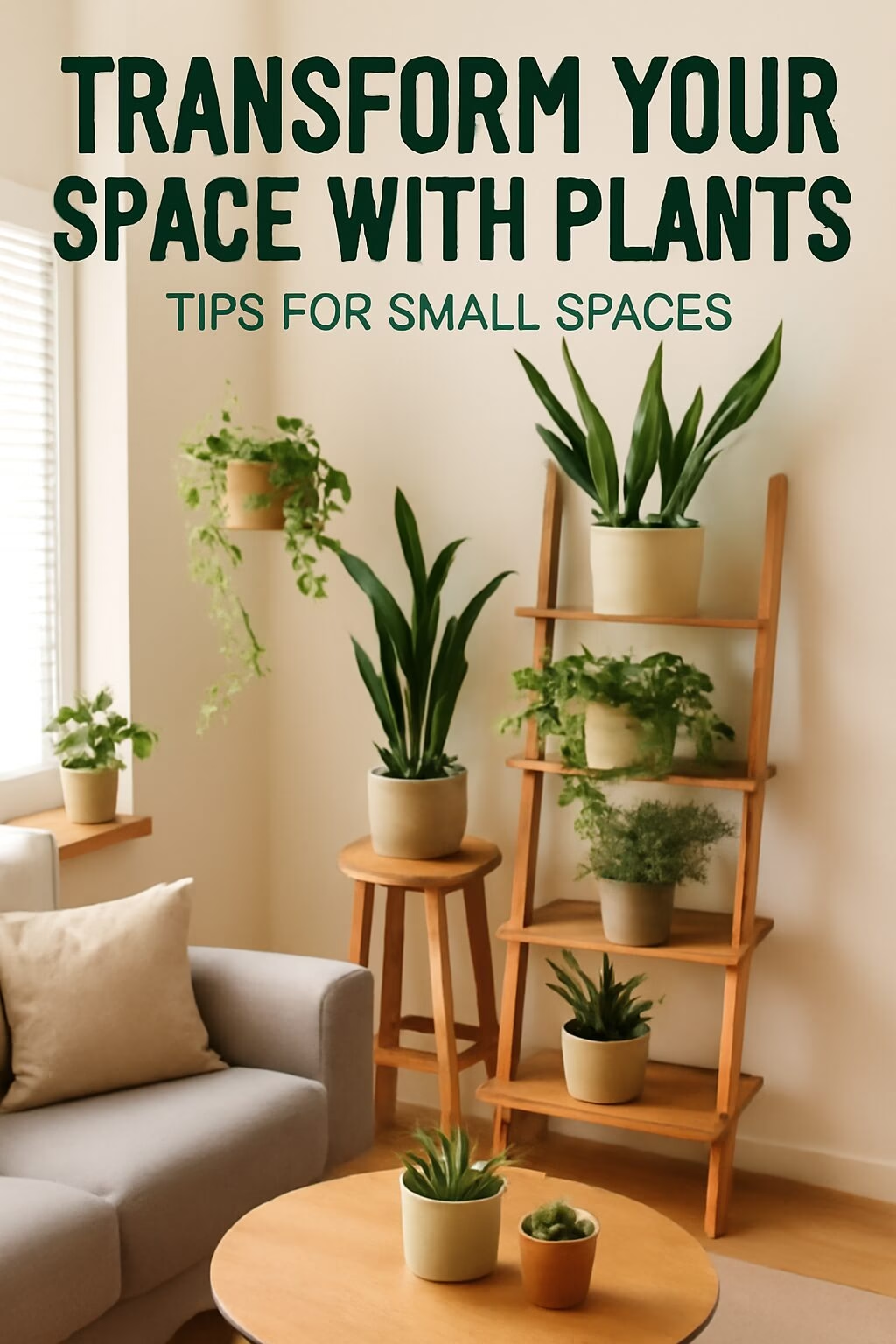
In today’s world, where space is often limited, bringing nature into your home is a wonderful way to enhance your living environment. Whether you’re in an apartment, a small house, or even just a tiny studio, adding plants can completely transform the space. Plants don’t just add beauty and life to a room; they can also improve air quality, boost your mood, and make your home feel more inviting.
If you’re working with a small space, though, it’s essential to choose the right plants and placement strategies to ensure they flourish without overcrowding the area. In this article, we’ll share practical tips and ideas for transforming your small space with plants.
1. Choose Compact Plants
When working with limited space, choosing the right plants is key. Opt for compact, small plants that don’t require too much room to grow. These plants can fit on shelves, windowsills, or in small corners without overwhelming the room.
Best options for small spaces include:
- Succulents: These low-maintenance plants come in various shapes, colors, and sizes, making them perfect for small spaces. Some varieties, such as the Echeveria or Zebra Plant, stay small and don’t require much care.
- Pothos: Known for their trailing vines, pothos plants can be placed in hanging planters or allowed to cascade over shelves. They don’t need direct sunlight and can thrive in low light conditions.
- Snake Plant: This upright plant grows tall without taking up much horizontal space. It’s perfect for corners and requires minimal watering.
- Spider Plant: With its arching leaves and small size, the spider plant is a great choice for small spaces. It can be placed on a tabletop or suspended in a hanging basket.
2. Utilize Vertical Space
In small spaces, you may not have a lot of horizontal room for plants, but that doesn’t mean you can’t make use of vertical space. Vertical gardening can be both practical and aesthetic, allowing you to fit more plants into a compact space.
Ideas for maximizing vertical space:
- Wall-mounted planters: Install a few wall-mounted planters or shelves to hold your plants. This will free up valuable floor space while still allowing you to have a variety of plants.
- Hanging pots: Use ceiling hooks to hang plants from above. Macrame plant hangers are a stylish way to display trailing plants like pothos or ivy, and they can create a charming, boho vibe.
- Plant stands: Tall plant stands are great for showcasing plants without taking up much space. You can place them in corners or next to furniture to create a visually striking focal point.
3. Maximize Window Space
Natural light is essential for plants, and in a small space, your windowsills are a prime location for placing plants. Even a small ledge or narrow window space can host a variety of plants that will thrive in the sunlight.
Tips for using windowsills effectively:
- Small pots on windowsills: You can fit several small plants along your windowsill. Try grouping them together for a unified look, or mix and match plants with different textures and colors to add variety.
- Herb garden: A windowsill is the perfect place for a small herb garden. You can grow basil, parsley, mint, or thyme in small pots, and they’ll benefit from the natural light coming through the window. Plus, you can use them in your cooking!
- Climbing plants: Install small trellises along the windowsill and train climbing plants like morning glories or ivy to grow up and along the trellis. This not only saves space but also adds a vertical element to your design.
4. Use Multi-functional Furniture
In small spaces, every piece of furniture should serve a purpose. Look for furniture that incorporates plant-friendly features, allowing you to combine style and function.
Multi-functional furniture ideas for plant lovers:
- Coffee tables with built-in planters: Some coffee tables come with hidden planter spaces where you can display small plants like succulents or moss.
- Shelving units with built-in pots: Invest in shelving units or bookcases with integrated planter boxes. These allow you to keep your plants close while providing storage for books, decor, or other essentials.
- Plant ottomans: Ottomans with hidden planters inside can act as both furniture and a decorative space for plants, perfect for compact living areas.
5. Create a Green Corner
Even in a small room, you can create a dedicated “green corner” to showcase multiple plants in one area. A well-arranged plant corner can make a big impact without taking up too much space.
How to create a green corner:
- Layer plants at different heights: Place taller plants like a snake plant in the back of the corner, with smaller plants in the front. This creates depth and adds interest to your display.
- Mix plant types: Combine plants with different textures, shapes, and colors. For example, pair a tall, slender plant with a trailing one or combine a leafy plant with a spiky one. This creates a dynamic, visually appealing corner.
- Use decorative pots: Enhance the look of your plants by using decorative pots or plant stands that match the style of your room. Whether it’s minimalist concrete pots or colorful ceramic ones, the right pots will elevate the whole setup.
6. Incorporate Low-maintenance Plants
In small spaces, where you may not have time for constant care, low-maintenance plants are ideal. These plants require less attention and are more forgiving when it comes to occasional neglect.
Low-maintenance plants for small spaces:
- ZZ Plant: This hardy plant tolerates low light and infrequent watering, making it perfect for beginners or those who don’t have a green thumb.
- Aloe Vera: A succulent that needs minimal watering and thrives in sunny spots, aloe vera is perfect for small spaces.
- Cactus: Cacti are ideal for small spaces due to their compact size and ability to survive with little water. They also add a modern touch to any room.
7. Choose the Right Planters
The right planters can make a significant difference in how your plants look and how well they thrive in small spaces. Look for planters that suit both the needs of your plants and the aesthetic of your home.
Planter ideas for small spaces:
- Hanging planters: These are great for plants that like to trail, such as ivy or pothos. Hang them from the ceiling or wall to save floor space.
- Narrow or compact pots: If you have limited surface area, choose narrow or compact pots that can fit on small tables or windowsills.
- Stacked planters: For a vertical display, consider using stacked planters or tiered plant stands. These allow you to showcase multiple plants in a small footprint.
8. Create a Plant-Friendly Environment
A healthy, thriving plant needs more than just water and light. Make sure your small space is conducive to plant growth by creating a plant-friendly environment.
Plant care tips for small spaces:
- Monitor temperature and humidity: Most plants thrive in moderate temperature ranges and humidity levels. Keep your plants away from heat sources like radiators and direct air conditioning.
- Regularly clean the leaves: Dust can block sunlight and hinder photosynthesis. Gently wipe your plant leaves with a damp cloth to keep them clean and healthy.
Final Thoughts: Bringing Nature into Small Spaces
With the right approach, even the smallest space can become a lush, vibrant indoor garden. By selecting compact plants, maximizing vertical space, and incorporating plants into furniture and decor, you can create a beautiful and functional green space that feels larger and more welcoming.
Whether you’re adding a few succulents to your windowsill or transforming an entire corner with greenery, plants can enhance your space in countless ways. Not only will they make your home look more stylish, but they will also create a calming, natural environment that improves your overall well-being.
With the tips above, transforming your small space with plants is easier than you might think. Let nature into your home and watch your small space flourish!